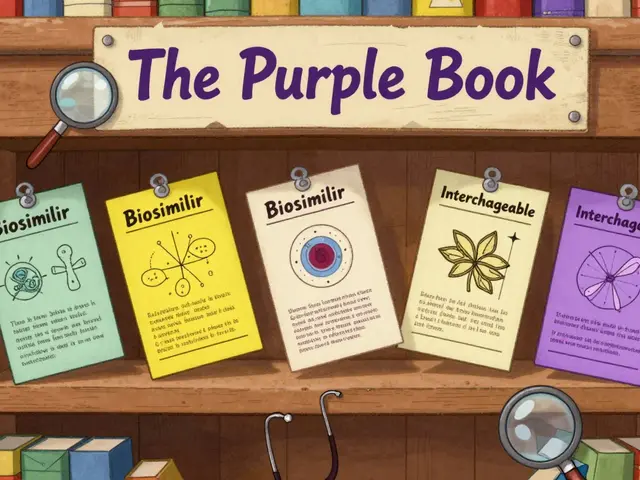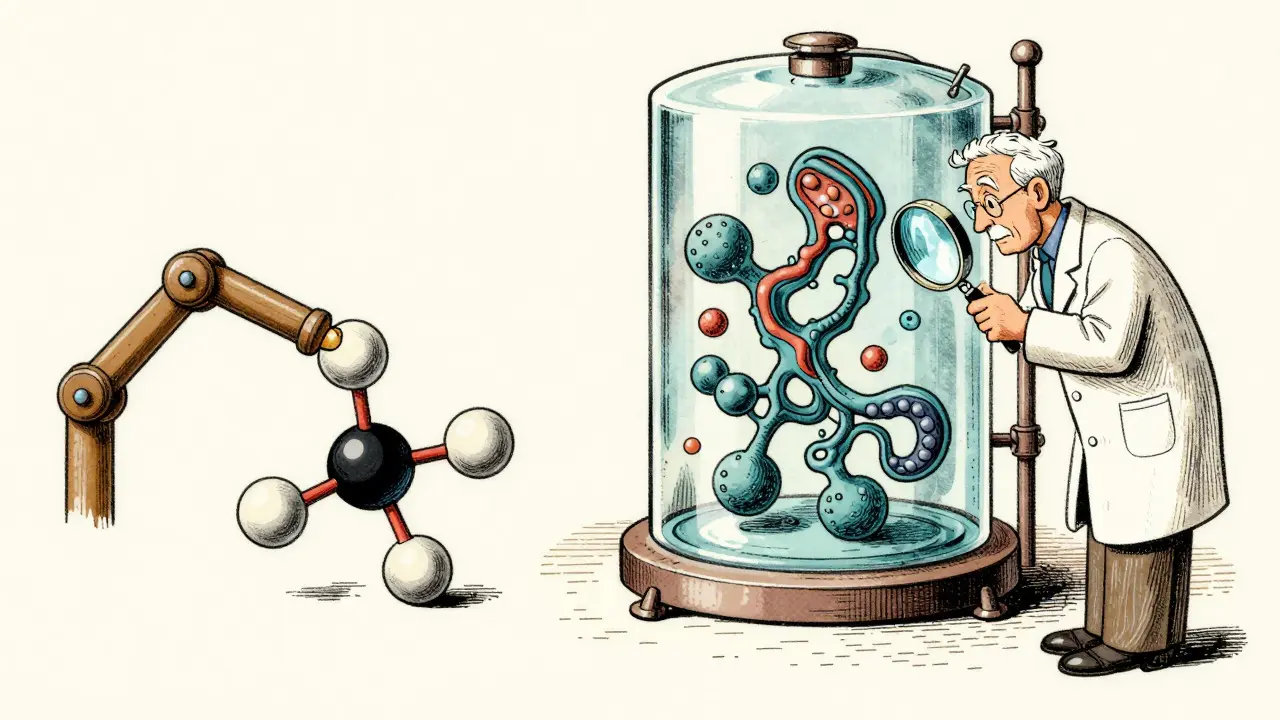
When you look at a prescription for a complex biologic drug, the price tag can feel like a shock to the system. But here is the twist: you don't always have to pay that full sticker price. While traditional generics are chemically identical copies of small-molecule drugs, their counterparts for biologics are called biosimilars, which are highly similar versions of reference products derived from living organisms. The cost difference between these two categories is not just a slight discount; it is a structural shift in how we pay for advanced medicine.
If you are managing healthcare costs or simply trying to understand why your insurance premium spiked, this comparison matters. We are looking at a market where brand-name biologics account for over half of total drug spending in the U.S., yet they represent only a fraction of prescriptions. Let’s break down the real numbers, the barriers keeping prices high, and what you can actually expect to save in 2026.
The Core Distinction: Generics vs. Biosimilars
To understand the cost gap, you first need to grasp why these two types of alternatives aren't the same thing. A standard generic pill is a carbon copy of the original brand drug. It has the same active ingredient, the same dosage form, and the same strength. Because the molecules are simple, making a copy is straightforward and cheap.
Biologics, however, are different. They are large, complex proteins made by living cells (like yeast or mammalian cell cultures). You cannot make an exact chemical copy because the manufacturing process involves biological systems that introduce minor variations. This is why the FDA requires "high similarity" rather than "identity" for biosimilars. Despite this technical nuance, the clinical outcome is the same: biosimilars work just as well as the original brand product.
- Traditional Generics: Chemically identical to small-molecule brands. Typically 80-90% cheaper than the brand name.
- Biosimilars: Highly similar to complex biologic brands. Typically 40-56% cheaper than the brand name at launch.
- Brand Biologics: Original reference products with high R&D costs and patent protection.
Breaking Down the Price Tags
Let's look at the hard data from recent industry reports. In the first half of 2025, the average cost for a 30-day supply of a brand reference biologic was roughly $2,104. For a comparable biosimilar, that number dropped to $919. That is a 56.3% reduction right off the bat.
| Category | Average 30-Day Cost | Out-of-Pocket Savings | Market Share Trend |
|---|---|---|---|
| Brand Reference Biologic | $2,104 | Baseline | Declining due to competition |
| Biosimilar Biologic | $919 | ~23% lower OOP | Rising (currently <20%) |
| Small-Molecule Generic | Varies widely | Significant | Dominant (>90% of Rx) |
But the story doesn't end when the biosimilar launches. Competition drives prices down further. When multiple biosimilars enter the market for a single drug, the reference product often sees its own price drop by 25-33%. This dynamic means that even if you stick with the brand name, you might benefit indirectly from the existence of cheaper alternatives.
Real-World Example: The Humira Case Study
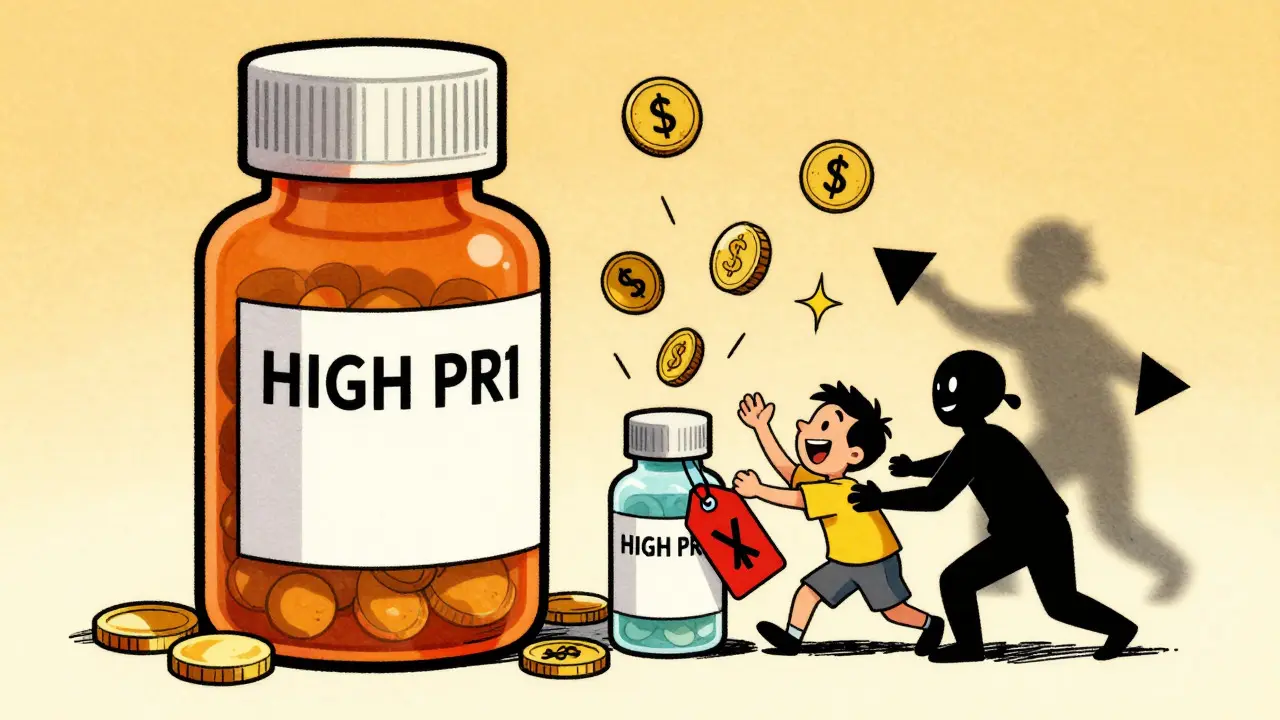
You have probably heard of Humira (adalimumab). For years, it was the best-selling drug in the world, generating over $21 billion in global sales annually. Its U.S. list price hovered around $80,000 per patient per year-a figure that felt less like a medication and more like a mortgage payment.
When patents expired in 2023, biosimilars rushed in. Within a short period, these alternatives captured about 65% of the market share. The average discount compared to the original list price hit 80%. Companies like Sandoz, with their Hyrimoz product, quickly gained significant footing. This case proves that when the regulatory path is clear and competition is fierce, the cost savings are transformative, not marginal.
Why Are Biosimilars Still More Expensive Than Generics?
If generics are so cheap, why aren't biosimilars just as low-cost? The answer lies in complexity and development hurdles.
- Manufacturing Complexity: Growing cells to produce proteins is harder and more expensive than mixing chemicals in a lab. Quality control is rigorous, adding to the base cost.
- Development Costs: Bringing a new biosimilar to market can cost between $100 million and $250 million. While less than developing a new biologic from scratch, it’s still a heavy lift.
- Patent Thickets: Brand companies often file dozens of secondary patents to delay biosimilar entry. These legal battles keep prices high for longer than necessary.
- Rebate Walls: Pharmacy Benefit Managers (PBMs) sometimes create structures that favor brand drugs to protect existing contracts, slowing down the switch to cheaper options.
These factors mean that while biosimilars are significantly cheaper than brands, they haven't reached the rock-bottom prices of traditional generics yet. However, the trend is moving in the right direction.

The Cumulative Savings Impact
What does this mean for the broader healthcare system? The numbers are staggering. According to the U.S. Department of Health and Human Services, biosimilars have generated $56 billion in healthcare savings since 2015. In 2024 alone, patients and insurers saved $20 billion.
Analysts project that if adoption rates increase from the current 15-20% to 35-40% by 2030, we could see an additional $125 billion in annual savings. This isn't just about individual wallets; it's about keeping hospital budgets stable and preventing insurance premiums from skyrocketing across the board.
Navigating Your Options in 2026
So, what should you do if you're facing a high biologic bill? Here are practical steps to take:
- Ask Your Doctor About Switching: Not all physicians automatically switch patients to biosimilars. Ask specifically if a biosimilar is available for your condition. Most studies show no difference in efficacy or safety.
- Check Your Insurance Formulary: Some plans cover biosimilars at a lower copay tier. If your plan favors the brand, ask your provider to submit a prior authorization for the biosimilar.
- Look for Manufacturer Assistance: Many biosimilar manufacturers offer patient assistance programs that can reduce out-of-pocket costs further.
- Monitor Patent Expirations: Keep an eye on upcoming expirations for drugs you or your family use. The moment a patent drops, prices usually follow.
The landscape is shifting. Regulatory bodies like the FDA are working to simplify approval processes, and policy initiatives aim to remove the administrative barriers that slow down adoption. For now, the message is clear: you have options, and those options are saving billions.
Are biosimilars exactly the same as brand biologics?
They are not chemically identical, but they are highly similar. Because biologics are made from living cells, minor variations exist. However, the FDA requires proof that these differences do not affect safety or effectiveness. For most patients, the treatment experience is indistinguishable.
How much can I actually save by switching to a biosimilar?
On average, biosimilars are priced 40-56% lower than brand biologics at launch. As competition increases, discounts can reach 80% or more. Out-of-pocket costs for patients are typically 23% lower when using biosimilars compared to reference products.
Why are there fewer biosimilars than traditional generics?
Biologics are complex to manufacture and require extensive testing to prove similarity. Additionally, brand companies often use patent strategies to delay competition. Currently, only about 10% of biologics losing patent protection in the next decade have a biosimilar in development.
Does my insurance cover biosimilars?
Most major insurance plans cover FDA-approved biosimilars. However, coverage terms vary. Some plans may require a prior authorization to switch from a brand drug to a biosimilar. Always check your specific formulary or call your insurer to confirm the copay difference.
Will switching to a biosimilar affect my treatment results?
For the vast majority of patients, no. Clinical trials and real-world evidence consistently show that biosimilars deliver the same therapeutic outcomes as their reference products. Doctors monitor patients closely during any switch to ensure continued success.