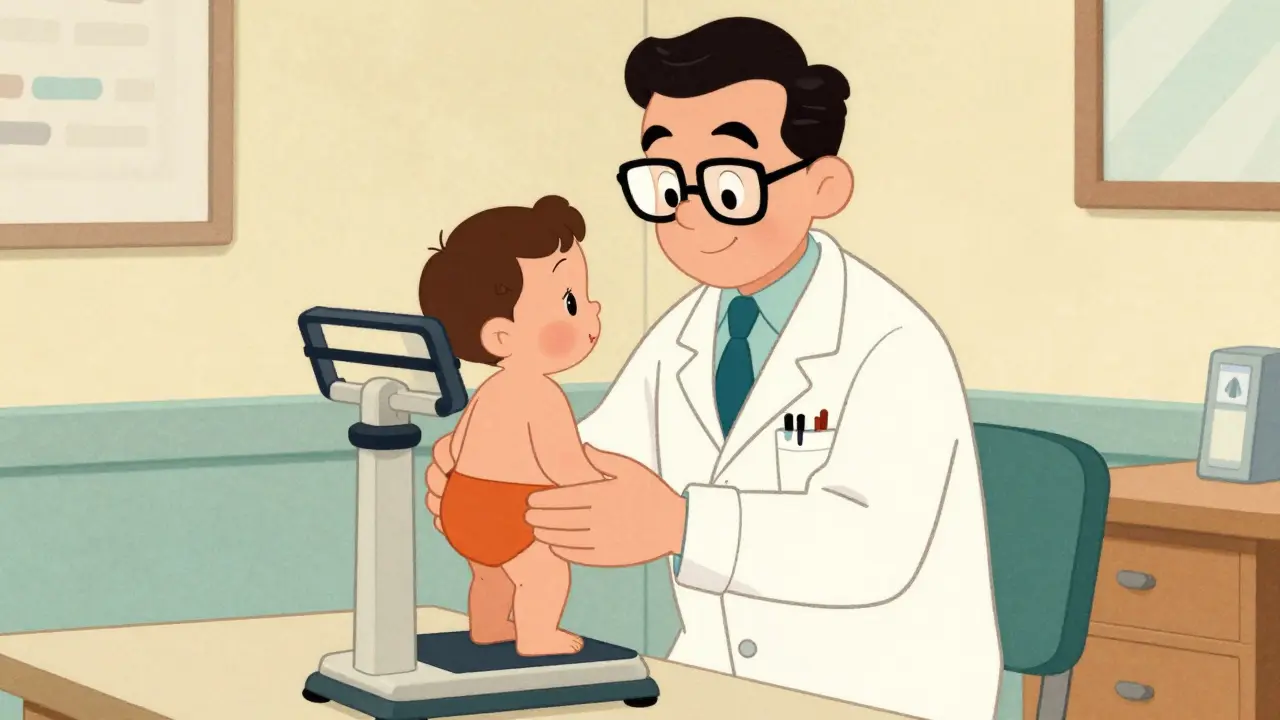
Giving medicine to a child isn't as simple as just giving them a smaller dose of an adult pill. Kids aren't just "mini-adults"; their bodies process chemicals differently. From the way their kidneys filter waste to how their livers break down toxins, a child's physiology changes rapidly from the day they are born through their teenage years. If we treat them like small adults, we risk serious dosing errors or adverse reactions. That's why pediatric medications must be tailored to a child's specific developmental stage, weight, and organ maturity.
The goal here is to move away from guesswork and toward precision. While many parents rely on "age-based" charts, the medical gold standard is weight-based dosing. This ensures that a 10kg toddler and a 15kg toddler get exactly what they need, even though they might both be two years old. When we get this right, we avoid the pitfalls that lead to the 4% of pediatric hospital admissions caused by inappropriate medication use.
The Core Principles of Pediatric Dosing
In the world of pediatrics, the mantra is "milligrams per kilogram" (mg/kg). This is the only way to ensure safety and effectiveness. For example, Acetaminophen is a common fever reducer and pain reliever used widely in children. The standard safety limit is usually 75 mg/kg/day. If you ignore the weight and just follow a generic age bracket, you might underdose a larger child or overdose a smaller one.
Another critical factor is organ function. Neonates (babies in their first 28 days) have immature renal and hepatic functions. Because their kidneys and livers can't clear drugs as efficiently as an older child's, some medications require concentrations 10 to 100 times lower than what an adult would take. Without these adjustments, drugs can build up in the system and become toxic.
Choosing the Right Formulation by Age
A medication only works if the child actually swallows it. This is where the "formulation" comes in. A formulation is simply the physical form of the drug-whether it's a syrup, a chewable tablet, or a powder.
- Infants and Toddlers (Under 5 years): These kids typically need liquids, drops, or orally disintegrating tablets. They can't swallow pills, and their taste buds are incredibly sensitive. This is why flavor-masking is so important; the CDC found that fruit-flavored versions of antiviral medicines increased adherence by 58% in young children.
- School-Age Children (5-11 years): Many in this group can handle chewable tablets or liquids, though some may begin transitioning to standard tablets if they can swallow them safely.
- Adolescents (12-18 years): At this stage, most can take standard adult formulations, but dosing may still be adjusted based on weight, especially for those who are significantly smaller or larger than average.
| Condition | Preferred Medication | Typical Pediatric Dosing Logic | Key Precaution |
|---|---|---|---|
| Fever/Pain | Acetaminophen / Ibuprofen | 4-10 mg/kg per dose | Avoid Aspirin (Reye's Syndrome risk) |
| Bacterial Infection | Amoxicillin | 25-35 mg/kg/day (divided) | Complete the full course |
| Ear Infection | Amoxicillin (First-line) | Based on severity and weight | Use Azithromycin only if allergic to penicillin |
Medications to Use With Caution (The KIDs List)
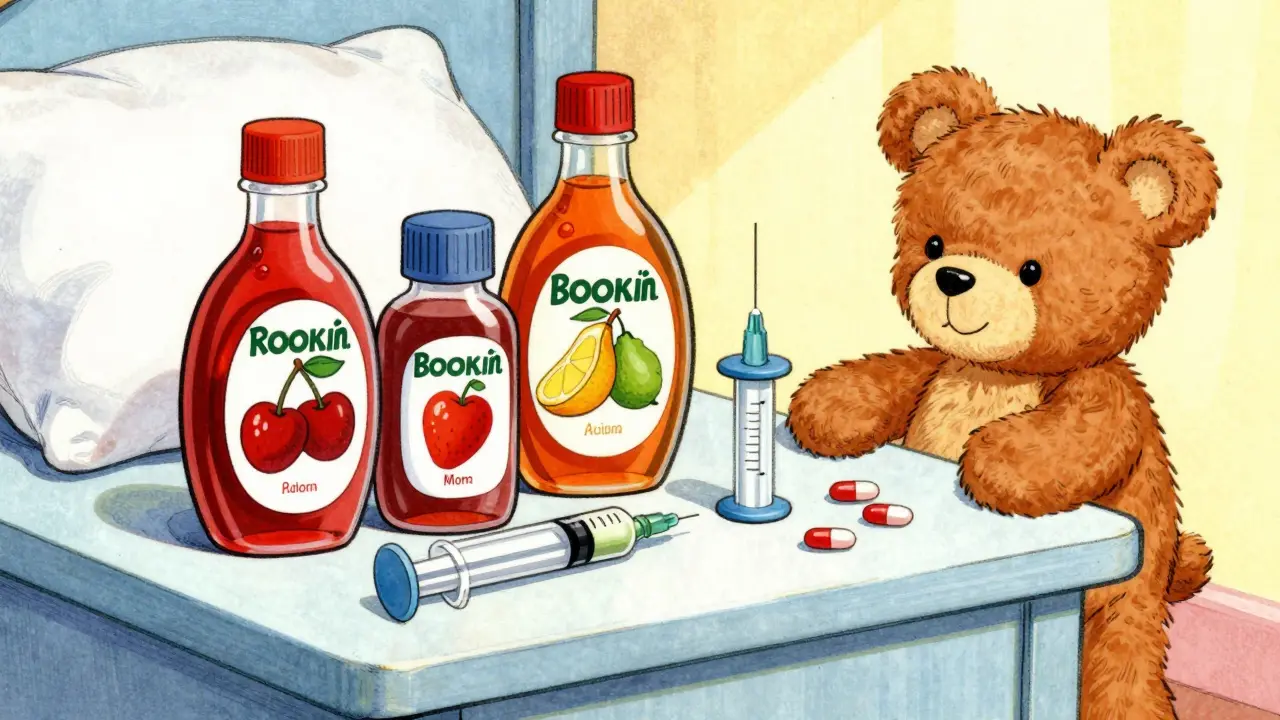
Not all drugs are safe for all ages. The KIDs List (Key Potentially Inappropriate Drugs in Pediatrics) is a specialized tool used by pharmacists and doctors to identify meds that carry high risks for children. Unlike the Beers Criteria, which is for the elderly, the KIDs List focuses on the unique vulnerabilities of growing bodies.
Some medications are flagged as "Avoid" due to life-threatening risks. For instance, Codeine and Tramadol are strictly avoided in children because they can cause unpredictable respiratory failure. Similarly, certain antibiotics called fluoroquinolones are generally avoided in those under 18 because they can cause cartilage toxicity, affecting how a child's joints grow.
Other drugs are marked "Use with Caution." For example, Montelukast, often used for asthma, is flagged because it can cause sleep disturbances and mood changes in some children. This doesn't mean the drug is banned, but it means the doctor needs to weigh the benefit against these specific risks.
Common Pitfalls in Home Administration
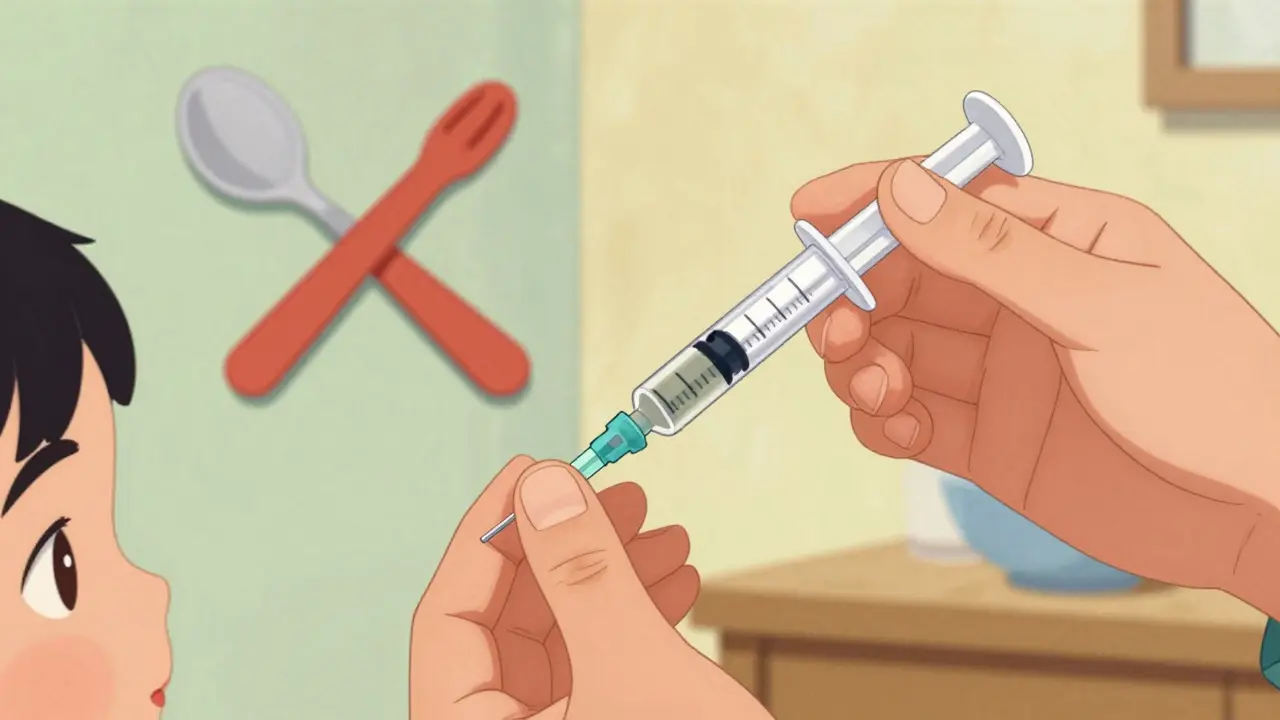
The gap between a doctor's prescription and the dose the child actually receives is where most errors happen. A study from the Children's Hospital of Philadelphia showed that 42% of caregivers make dosing errors simply by using the wrong measuring tool. Kitchen spoons are not medical instruments; they vary too much in size.
Precision is everything. If a dose is 2.5ml, using a household spoon could result in a 20-30% difference in the actual amount of drug delivered. Always use the oral syringe or dosing cup that comes with the medication. If you lost it, ask the pharmacist for a new one rather than guessing with a spoon.
Another struggle is "the battle of the bitter syrup." When a child refuses a medication, parents sometimes try to mix it into a large bottle of juice. This is a mistake. If the child doesn't finish the whole bottle, they don't get the full dose. Instead, mix the medicine into a small spoonful of a strong-tasting food like applesauce or pudding to mask the flavor without risking the dose.
The Reality of Off-Label Prescribing
You might be surprised to learn that many medications given to children aren't actually "labeled" for them. This is called off-label prescribing. It happens because clinical trials for children are harder to conduct than for adults. According to the AAFP, roughly half of all medications aren't officially labeled for pediatric use.
Does this mean the medication is unsafe? Not necessarily. It means the doctor is using a combination of adult data, weight-based calculations, and expert consensus to determine the dose. This is why having a pediatric-trained provider is essential-they understand the nuances of how to adapt an adult drug for a child's metabolism.
Why can't I just give my child a piece of an adult tablet?
Adult tablets are often not formulated for kids. Some have a "slow-release" coating that, if broken or split, can release too much medication at once. Furthermore, adult tablets are designed for much larger bodies; splitting a pill rarely provides the precise milligram dose required for a child's specific weight.
Is it safe to use generic versions of pediatric medicine?
Yes, as long as the generic is FDA-approved (or approved by your local health authority). Generic medications contain the same active ingredient and are held to the same safety and efficacy standards as brand-name drugs. The only difference is usually the inactive ingredients, like the flavoring or coloring.
What should I do if my child spits out their liquid medicine?
If the child spits out a significant portion immediately, you may need to re-dose, but you should contact your pharmacist or doctor first. They can tell you if it's safe to give the dose again based on how much was actually swallowed and the specific drug's safety profile.
Can I use a teething gel with benzocaine?
Generally, no. Health authorities have warned against using benzocaine-based teething gels in infants because they can cause methemoglobinemia, a rare but serious condition that reduces the amount of oxygen in the blood.
Why does my child need an antibiotic for a full 7 days if they feel better after 2?
Feeling better doesn't mean the infection is gone. Stopping antibiotics early allows the strongest bacteria to survive and multiply, which leads to antibiotic resistance. This makes future infections much harder to treat for your child and others in the community.
Next Steps for Parents and Caregivers
When you leave the pharmacy, take a moment to double-check the label. Ensure the dosage is listed in a way you understand (e.g., "5ml twice daily" rather than just "give as directed"). If the calculations seem complex, ask the pharmacist to write the exact milligram dose and the volume of liquid needed clearly on the bottle.
If your child is in a complex health situation involving multiple medications, keep a dedicated medication log. Note the exact time and dose given. This prevents "double-dosing" errors, which are common when multiple caregivers (like parents and grandparents) are involved in a child's care. Finally, always keep a current, accurate weight of your child; a growth spurt of 2kg can change the required dose of many pediatric medications.


8 Comments
The point about kitchen spoons is spot on. I've seen so many people just wing it with a tablespoon and then wonder why the meds aren't working or why the kid is acting weird.
everyone knows about the spoon thing like why is this even a guide lol just use the syringe that comes in the box its not that hard
Actually, providing this reminder is quite helpful... since many caregivers might forget... or lose the original tool!!
The systemic failure here is the lack of pharmacodynamic understanding in the general populace. We're talking about hepatic clearance rates and renal filtration thresholds in neonates, yet the discourse focuses on spoons. It's an absolute catastrophe of health literacy. If you aren't accounting for the metabolic polymorphism of CYP450 enzymes in pediatric patients, you're essentially playing roulette with their physiology. The marginal utility of a "guide" is nil if the user doesn't grasp the fundamental biochemical divergence between a toddler and an adult. Purely anemic approach to a complex pharmacological problem.
The sheer audacity of suggesting that a simple log can mitigate the catastrophic risks of off-label prescribing is utterly appalling! We are witnessing a systemic collapse of clinical rigor where the safety of our youth is sacrificed on the altar of "expert consensus" and anecdotal data! It is a tragedy of the highest order that the pharmaceutical industry finds clinical trials for children too "difficult" to conduct!
This is so importent for new parents!! I remeber the panic of the first fever and just tryign to get the dose right. Its truly a herculean task when they keep spitting it out!! Please everyone, stay vigilant with the weights!!
It is truly heartwarming to see such a comprehensive endeavor to safeguard the well-being of our most vulnerable little ones. The emphasis on weight-based dosing is a magnificent testament to the precision of modern medicine, ensuring that every child, regardless of their size, receives the exact care they deserve. Let us embrace this knowledge with open hearts and a commitment to inclusive care for all families across the globe!
I find the information regarding the KIDs list to be highly beneficial and provided with the necessary sobriety. It is prudent to maintain such boundaries in medical administration.
Write a comment