Kava Medication Interaction Checker
Your Current Medications
Select all medications you're currently taking
Kava Type
Select your kava preparation method
Interaction Results
Select your medications and kava type to see interaction risks
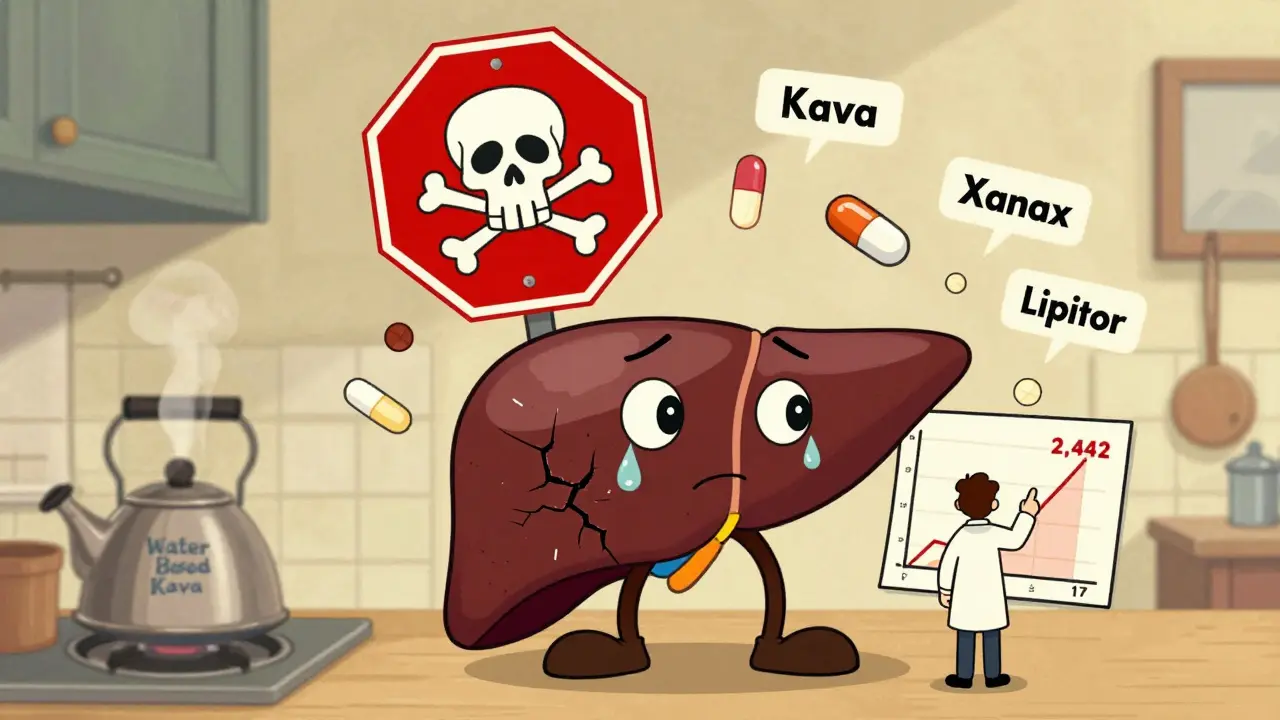
People turn to kava for anxiety relief because it works - without the dependency risks of prescription sedatives. But here’s the catch: kava can damage your liver, especially when mixed with other medications. This isn’t a rare side effect. It’s a documented, life-threatening risk that many users don’t know about.
How Kava Affects Your Liver
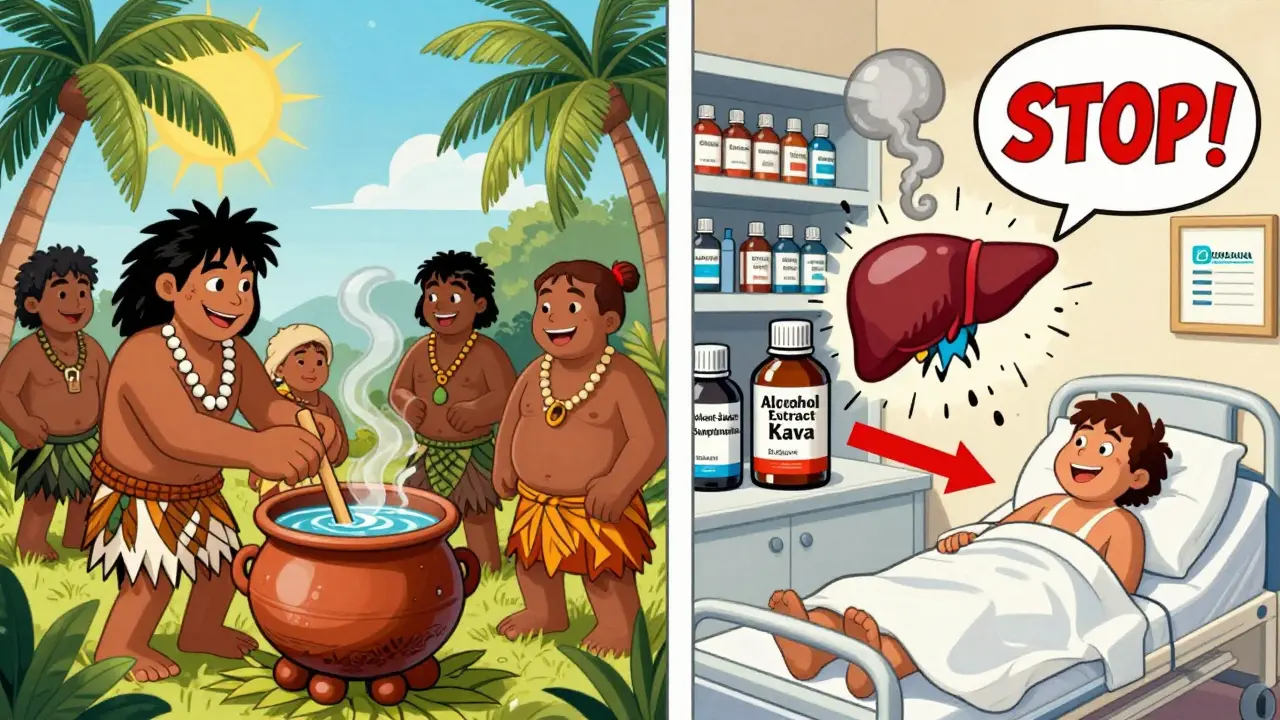
Kava comes from the roots of the Piper methysticum plant, traditionally brewed as a drink in Pacific Island cultures. For centuries, people there consumed it safely using water-based extracts. But modern supplements? They’re often made with alcohol or acetone to pull out more kavalactones - the compounds that calm your nerves. These solvent-based extracts are the ones linked to liver damage.
Studies show that kava interferes with your liver’s ability to process toxins. It drains glutathione, your body’s main antioxidant defense. It also blocks key liver enzymes - CYP3A4, CYP2C9, and CYP2C19 - that break down over 80% of common medications. When these enzymes are shut down, drugs build up in your system. That’s when things go wrong.
The data is clear: over 100 cases of kava-induced liver injury were reported by the early 2000s. At least 11 people needed liver transplants. One case from UCLA Health involved a patient taking kava alongside birth control pills, migraine meds, and acetaminophen. Their ALT liver enzyme jumped from 17 to 2,442 U/L - a level that signaled acute liver failure. Within 17 weeks, they needed a transplant.
Medications That Become Dangerous with Kava
Kava doesn’t just hurt your liver on its own. It turns everyday medications into hidden threats. Here are the biggest red flags:
- Acetaminophen (Tylenol) - Even at normal doses, this common painkiller becomes toxic when combined with kava. Both stress the liver. Together, they overwhelm it.
- Benzodiazepines (Xanax, Valium) - Kava and these anti-anxiety drugs both depress the central nervous system. Mixing them increases drowsiness, dizziness, and risk of respiratory depression.
- Antidepressants (SSRIs, SNRIs) - Prozac, Zoloft, and others are metabolized by the same liver enzymes kava blocks. This can cause serotonin overload or liver injury.
- Statins (Lipitor, Crestor) - These cholesterol drugs already carry a small risk of liver stress. Kava multiplies that risk.
- Antibiotics (erythromycin, clarithromycin) - Many antibiotics are processed by CYP3A4. Kava blocks this pathway, leading to toxic buildup.
- Anticoagulants (warfarin) - Kava may interfere with blood clotting, increasing bleeding risk when paired with blood thinners.
One Reddit user shared their experience: they took kava tea daily with high blood pressure meds. Their doctor found ALT levels at 300 - triple the normal limit. They stopped kava immediately. Liver enzymes returned to normal in six weeks. But not everyone is that lucky.
Who’s at Highest Risk?
Not everyone who takes kava gets liver damage. But some people are far more vulnerable:
- People using alcohol-based or acetone extracts - These are the main culprits behind liver injury cases. Stick to water-based kava if you use it at all.
- Those taking multiple medications - The more drugs you’re on, the higher the chance of a dangerous interaction.
- People with existing liver conditions - Hepatitis, fatty liver, or even past alcohol use makes your liver less able to handle extra stress.
- Heavy drinkers - Alcohol and kava both deplete glutathione. Together, they’re a one-two punch for your liver.
- People with genetic enzyme variations - Some folks naturally have slower CYP450 enzymes. Kava can push them over the edge.
Doctors in Sacramento reviewed 16 cases over 37 years. Thirteen people were hospitalized. Six needed transplants. In every case, the patient didn’t tell their doctor they were taking kava. That’s the silent danger - people assume supplements are safe because they’re “natural.”
What the Experts Say
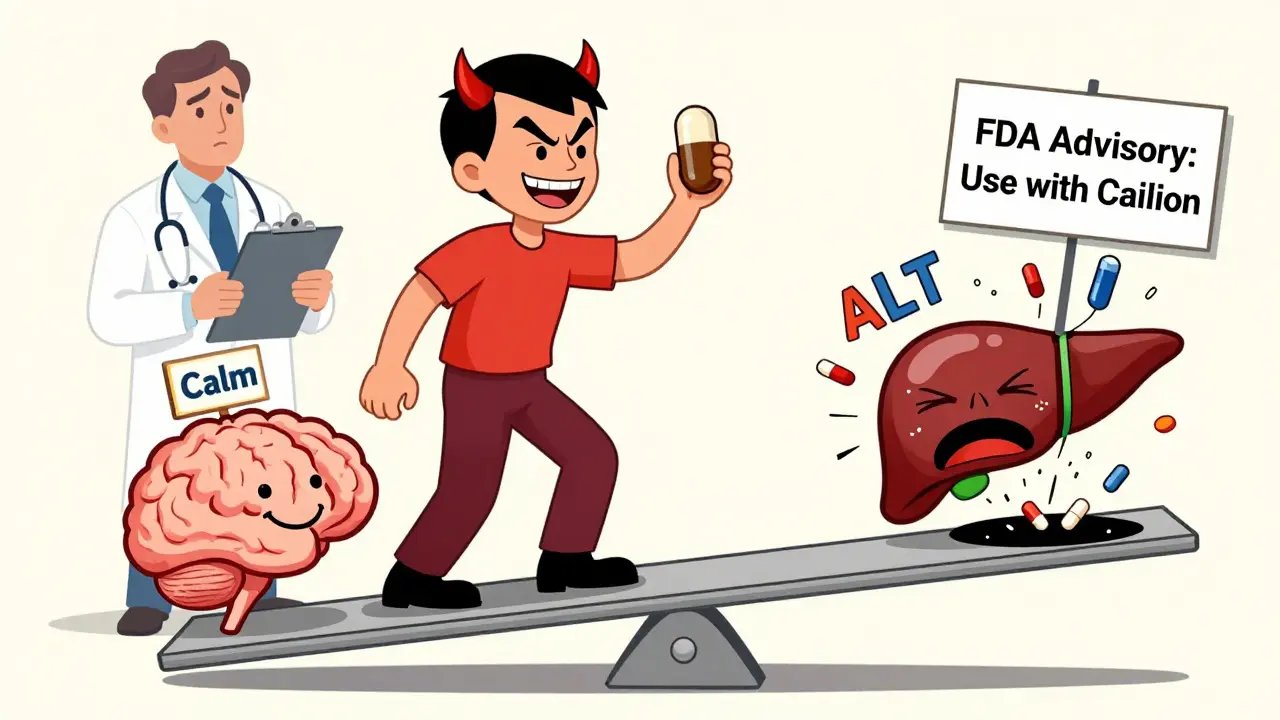
The World Health Organization says there’s a clear cause-and-effect link between kava and liver damage. The FDA issued a consumer advisory in 2002 and reaffirmed it in 2020. They don’t ban kava in the U.S. - but they warn: “Use with caution.”
Dr. Robert Ashley from UCLA puts it bluntly: “Kava inhibits enzymes that break down many drugs. That’s not speculation - it’s lab-proven.”
The American Association for the Study of Liver Diseases (AASLD) updated their guidelines in 2022: “Patients taking medications metabolized by CYP3A4, CYP2C9, or CYP2C19 should avoid kava.” That covers most antidepressants, blood thinners, statins, and pain meds.
Even the European Union banned kava supplements in 2002. Australia restricts it to prescription-only. Canada and Switzerland have similar restrictions. Why? Because the evidence became too strong to ignore.
What Should You Do?
If you’re already taking kava:
- Check your supplement label. If it says “ethanolic extract,” “organic extract,” or “solvent-based,” stop immediately. Water-based is less risky - but not risk-free.
- Make a list of every medication and supplement you take - including OTC painkillers and herbal teas.
- Bring that list to your doctor. Say: “I’m taking kava. Can you check for interactions?”
- Ask for a liver function test (ALT, AST, bilirubin). Normal levels don’t guarantee safety, but rising numbers are a red flag.
- If your liver enzymes are elevated, stop kava right away. In many cases, stopping it leads to full recovery.
If you’re thinking about starting kava:
- Don’t use it if you have any liver condition, even mild fatty liver.
- Don’t use it if you’re on any prescription meds - especially for anxiety, depression, cholesterol, or pain.
- Don’t use it with alcohol.
- There are safer alternatives for anxiety: exercise, therapy, magnesium, L-theanine, or FDA-approved medications if needed.
Why This Isn’t Just a “Herbal Risk”
Kava’s story isn’t about “natural vs. synthetic.” It’s about how we misunderstand supplements. People think “natural” means “safe.” But many of the most toxic substances on Earth are natural - arsenic, botulinum toxin, deadly mushrooms.
Kava’s danger isn’t just in the plant. It’s in how it’s processed and how it interacts with modern medicine. The same plant, brewed traditionally in Fiji, has a different safety profile than a capsule made with alcohol in a California warehouse.
The global kava market hit $1.12 billion in 2022. Sales in the U.S. grew 18% in 2021. People want relief from anxiety. But they’re being sold a product with a hidden expiration date - their liver.
Bottom Line
Kava might help with anxiety. But it’s not worth the risk if you’re on any medication. The liver doesn’t feel pain until it’s too late. By the time you feel sick - jaundice, dark urine, fatigue - the damage may be irreversible.
If you’re using kava, talk to your doctor. If you’re not, don’t start. There are safer, proven ways to manage stress. Your liver won’t thank you for taking a chance.
Can kava cause liver damage even if I don’t take any medications?
Yes. While combining kava with medications greatly increases the risk, liver injury has been reported in people who took kava alone. Most cases involved solvent-based extracts, high doses, or long-term use. Even without other drugs, kava can deplete liver antioxidants and overload detox pathways.
Is water-based kava safer than extracts?
Yes. Traditional water-based preparations used in the Pacific Islands show far fewer liver injury cases. Solvent-based extracts (alcohol, acetone) pull out more of the potentially toxic compounds like flavokawains. If you choose to use kava, water-based is the only option with any evidence of lower risk - but it’s not risk-free.
How long does it take for kava to damage the liver?
It can happen as quickly as 4 to 16 weeks. In documented cases, symptoms like nausea and jaundice appeared after 12-16 weeks of daily use. Liver enzymes spiked rapidly after that. Some people develop damage faster if they have genetic risk factors or take high doses.
Can I use kava if I only take it occasionally?
There’s no proven safe frequency. Even occasional use has been linked to liver injury. The risk isn’t just about how often you take it - it’s about your body’s ability to process it. If you’re on any medication, even rare use could trigger a dangerous interaction.
What should I do if I think kava damaged my liver?
Stop taking kava immediately. See your doctor and ask for a liver function test (ALT, AST, bilirubin, alkaline phosphatase). Be honest about your supplement use - many patients don’t mention it. Early detection can prevent permanent damage. In many cases, liver enzymes return to normal after stopping kava.
For more information on safe anxiety relief, consider speaking with a mental health professional or exploring evidence-based alternatives like cognitive behavioral therapy, mindfulness practices, or FDA-approved treatments.

10 Comments
I took kava for 3 months straight with no meds and my ALT jumped to 412 😳 My doctor nearly had a heart attack. Water-based, 2g/day, no alcohol. Still happened. 🤦♀️
This is exactly why we need better labeling on herbal supplements. People assume 'natural' = safe, but kava is a potent enzyme inhibitor. If you're on statins, antidepressants, or even Tylenol, you're playing Russian roulette with your liver. Please, talk to your pharmacist before taking anything that isn't FDA-regulated.
Ugh, another anti-herb rant from the medical-industrial complex. Kava’s been used for 3,000 years in the Pacific-why’s it suddenly dangerous now? Maybe because Big Pharma doesn’t own it! They ban it in Europe because they can’t patent it! I take kava with my coffee and my blood pressure meds-my liver’s fine, and I’m 52!
I’m so glad someone finally put this out there. I was taking kava tea daily for anxiety and didn’t realize it was interacting with my Lexapro. I felt foggy, nauseous, and yellow-ish. Went to the ER. ALT was 890. Stopped kava. 8 weeks later, back to normal. 🙏 Don’t wait until you’re jaundiced. Your liver doesn’t scream until it’s too late.
Bro I live in India and we use kava root paste for stress. No liver issues. Maybe it's the way they process it in US? You guys use chemicals? I think its the alcohol extract that's the problem not kava itself.
People think they’re being ‘natural’ and ‘holistic’ while quietly poisoning their organs. You wouldn’t drink bleach because it’s ‘plant-based,’ so why are you chugging kava extract like it’s kombucha? This isn’t wellness-it’s self-sabotage with a side of virtue signaling.
I took kava for 2 weeks and my skin turned yellow. I thought I had the flu. Went to the doc and they said ‘stop the kava.’ Done. No drama. Just don’t be dumb.
The real question isn’t whether kava kills your liver-it’s whether modern society is too broken to handle natural relief. We’ve turned healing into a pharmaceutical transaction. Kava was meant to be shared in circles, not bottled and sold in Target. We lost the ritual. Now we get toxicity.
The traditional preparation of kava in the Pacific Islands involves meticulous processing: fresh root, cold water extraction, straining through fibrous cloth, and consumption in communal settings with cultural context. The pharmacokinetic profile of such preparations differs significantly from industrial solvent-based extracts. To conflate the two is not only scientifically inaccurate but culturally dismissive.
I’m a hepatologist. I’ve seen three kava-induced liver failures in the last five years. All patients were ‘smart’-they read blogs, took ‘low doses,’ used ‘water extracts.’ One was a nurse. Another had a PhD in biochemistry. They all thought they were immune because they were ‘informed.’ Spoiler: the liver doesn’t care about your credentials. It only cares about CYP3A4 inhibition. Stop. Just stop.
Write a comment