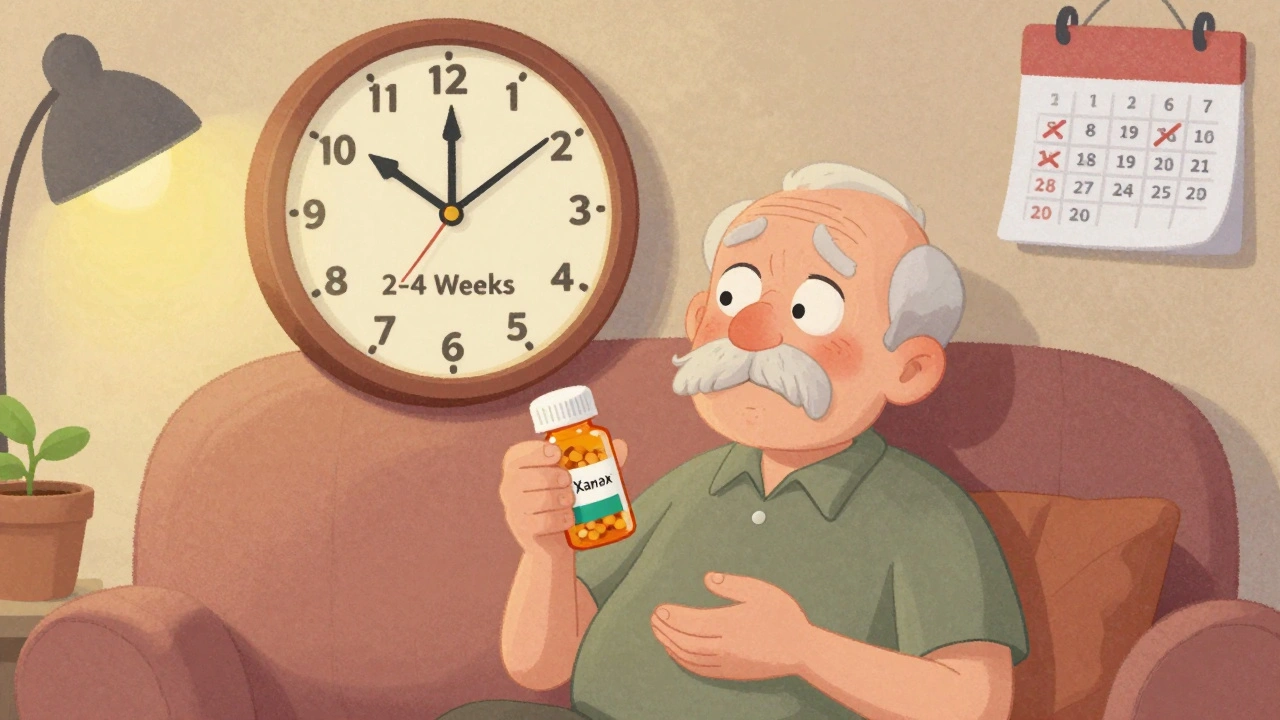
Stopping benzodiazepines cold turkey can be dangerous. If you’ve been taking them daily for more than a month, your body has adapted. Suddenly cutting off the drug can trigger seizures, extreme anxiety, hallucinations, or even life-threatening complications. That’s why benzodiazepine tapering isn’t just recommended-it’s essential for safety.
Why Tapering Matters More Than Ever
In 2022, over 30 million American adults used benzodiazepines. About 17% of them took them long-term-more than four months straight. Many started for anxiety or insomnia, but over time, the dose crept up, or the original reason faded, and the pills kept coming. The problem? Long-term use increases the risk of falls in older adults, memory problems, car accidents, and even early dementia. The FDA flagged this back in 2019, requiring new warning labels. Now, 28 states require doctors to create a tapering plan if a prescription lasts longer than 90 days. The stakes are high. Abruptly stopping benzodiazepines carries a 20-40% chance of severe withdrawal. But tapering? That number drops to under 10% when done right. The Joint Clinical Practice Guideline, published in 2024 by ten major medical societies, made it clear: tapering isn’t optional for long-term users. It’s standard care.How Slow Should You Go?
There’s no single answer. Too fast, and you’ll feel awful. Too slow, and you might fixate on the process, making anxiety worse. The sweet spot? Start with a 5-10% reduction every 2-4 weeks. That’s the gold standard backed by clinical data. But timing depends on how long you’ve been taking the drug:- 2-8 weeks of use? Taper over at least 2 weeks.
- 8 weeks to 6 months? Aim for 4 weeks.
- 6 months to a year? Plan for 8 weeks.
- More than a year? Give yourself 6 to 18 months.
Choosing the Right Medication for Your Taper
Not all benzodiazepines are created equal. Short-acting ones like alprazolam (Xanax) or triazolam (Halcion) leave your system quickly. That means withdrawal hits faster and harder. For these, switching to a longer-acting alternative makes tapering smoother. Diazepam (Valium) is the go-to. It’s metabolized slowly, stays in your blood longer, and gives you a steadier level of the drug as you reduce. The conversion is precise: 1 mg of alprazolam equals 20 mg of diazepam. So if you’re on 2 mg of Xanax daily, you’d switch to 40 mg of diazepam, then slowly reduce that. Some people stay on their original drug. That works if the dose is low and you’re stable. But for most, especially those on high doses or multiple benzodiazepines, switching to diazepam reduces the rollercoaster of symptoms.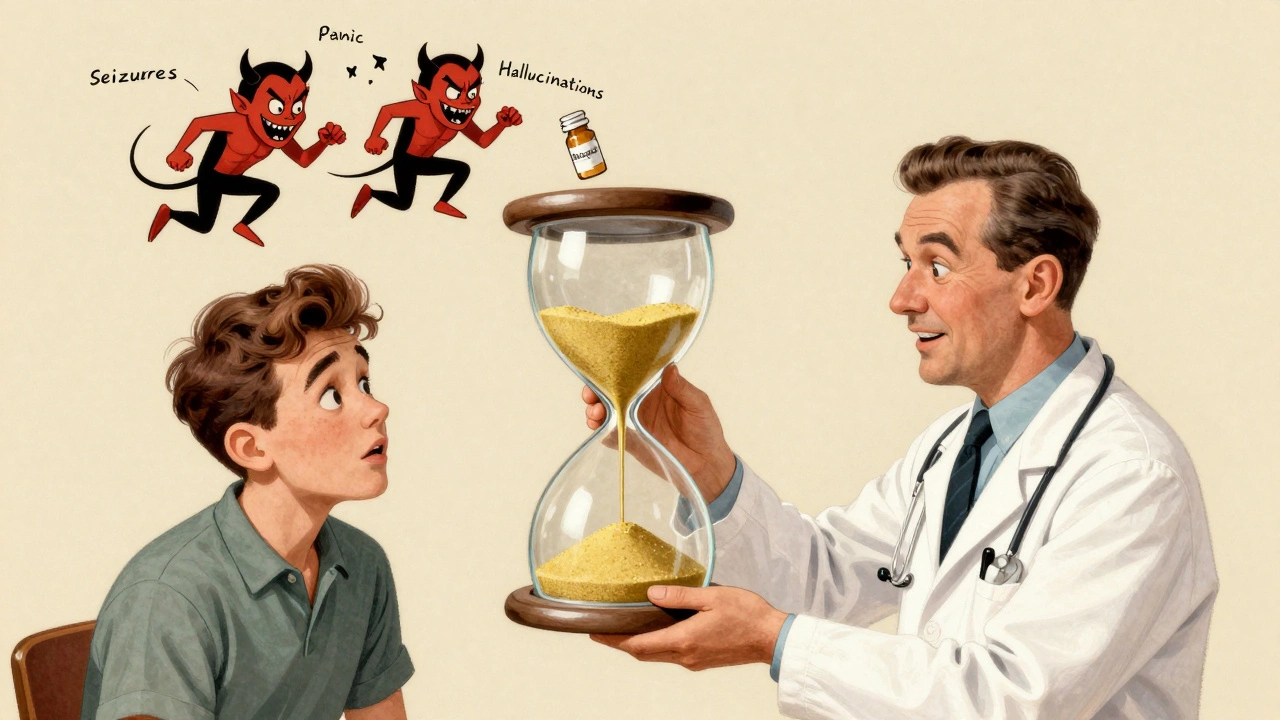
What to Watch For During Tapering
Withdrawal symptoms don’t always show up right away. Sometimes they creep in days after a dose cut. Common signs include:- Increased anxiety or panic attacks
- Insomnia or vivid dreams
- Tremors, sweating, or muscle spasms
- Sensitivities to light, sound, or touch
- Brain zaps-sudden electric-shock feelings
Who Should Taper, and Who Shouldn’t?
Tapering isn’t for everyone. But it’s recommended for:- Older adults (over 65)-benzodiazepines increase fall risk by 50%
- People with a history of substance use disorder
- Those taking benzodiazepines with opioids or stimulants
- Patients with PTSD, traumatic brain injury, or cognitive decline
- Anyone on daily use longer than 3 months
Support Systems That Actually Work
Tapering isn’t just about pills. It’s about rebuilding your nervous system. You need tools to replace the chemical calm. Cognitive behavioral therapy (CBT) is the most proven support. When combined with tapering, success rates jump from 42% to 68%. CBT teaches you to manage anxiety without drugs-through breathing, thought restructuring, and exposure techniques. Peer support helps too. The VA now includes peer specialists-people who’ve been through tapering themselves-in care teams. They don’t give medical advice. They say, “I was where you are. It got better.” That matters more than you think. Also, use one pharmacy and one prescriber. Splitting prescriptions across doctors or pharmacies increases risk. Limit refills to every 1-2 weeks. That gives you space to check in, assess symptoms, and adjust the plan.
What Doesn’t Work
Avoid these common mistakes:- Switching to another benzo to “manage withdrawal.” That just delays the problem.
- Using alcohol or sleep aids to cope. These interact dangerously with benzodiazepines.
- Trying to taper on your own without medical oversight. Withdrawal can escalate fast.
- Waiting until you’re in crisis to start. The sooner you plan, the smoother it goes.

12 Comments
Just stop taking them. Done.
Oh, darling, the pharmaceutical-industrial complex has been feeding us benzodiazepines like candy at a funeral since the '80s. We've been conditioned to equate tranquility with a pill, when true peace is found in stillness, breath, and the quiet rebellion of not reaching for the bottle. Diazepam? Please. It's just a more elegant prison.
As a former psychopharmacology grad student, I must say the 5-10% every 2-4 weeks protocol is statistically robust-but let's not ignore the neuroplasticity window. The real magic happens when you pair tapering with vagal toning and mindfulness-based stress reduction (MBSR). It’s not just about pharmacokinetics-it’s about rewiring the limbic system. 🧠✨
Has anyone here tried combining tapering with low-dose naltrexone? There’s emerging evidence it modulates glial cell activation during withdrawal-might reduce neuroinflammation and help with brain zaps. I’m not a doctor, but I’ve been tracking the 2023 JAMA Neurology meta-analysis. Worth a conversation with your prescriber.
I just want to say to anyone reading this: you are not broken. You didn’t fail because you needed help. You survived. And now you’re choosing to heal-not because you have to, but because you deserve to feel your own emotions without a chemical veil. It’s okay to move slowly. It’s okay to have bad days. You’re not behind. You’re not weak. You’re brave. And you’re not alone.
they say taper but nobody talks about how your brain feels like its melting in the summer heat and you cant sleep and you start seeing things in the corner of your eye and then you get mad at your doctor for not warning you and now you feel guilty for even thinking about quitting like you somehow betrayed yourself
THIS IS A GOVERNMENT PLOY!! The FDA, Big Pharma, and the AMA are all in bed together to make you dependent on their ‘tapering programs’ so they can charge you for therapy, apps, and ‘peer coaches’-while you’re being slowly drugged into compliance. They don’t want you cured-they want you on a lifelong subscription. Wake up!!
I tapered off Xanax after 7 years… and then my ex came back… and I had a panic attack so bad I screamed into a pillow for 47 minutes while my cat stared at me like I’d lost my mind. And you know what? I didn’t reach for a pill. I just… let it happen. And then I cried. And then I ate cereal. And then I felt… human. Again.
we're all just trying to find peace in a world that's always screaming. pills give you silence, but not peace. tapering gives you back your voice-even if it shakes. it's not about being strong. it's about being honest. 🌱
So you’re telling me I have to wait 18 months to feel normal again? That’s not a taper. That’s a life sentence. I’ll just keep taking it. At least I’m functional.
Why are we letting these European-trained docs tell us how to live? In America we don't need some 2024 guideline to tell us what to do. We got grit. We got hustle. Just quit. End of story.
Just wanted to say thanks to Elizabeth and John Biesecker. Your comments made me feel less alone. I’m 6 months in, down from 30mg diazepam to 12mg. Still get brain zaps but I’ve started journaling. And I finally slept through the night last week. It’s slow. But it’s real. And I’m still here.
Write a comment