CBD & Medication Interaction Risk Checker
Check Your Medication
Select a medication class or search for specific drugs to see potential CBD interaction risks.
Blood Thinners
Warfarin (Coumadin)
High RiskAntiepileptics
Clobazam (Onfi), Clonazepam
High RiskBenzodiazepines
Diazepam, Alprazolam, Lorazepam
High RiskStatins
Simvastatin, Atorvastatin
Moderate RiskSSRIs / Antidepressants
Prozac, Zoloft, Paxil
Moderate RiskOpioids / Painkillers
Oxycodone, Fentanyl, Tramadol
High RiskSelect a Medication
Click on a medication class above to view detailed interaction risks and safety recommendations.
Imagine you’ve been taking your daily prescription for years. It works perfectly. Then, you start adding CBD oil, a popular supplement derived from hemp or marijuana, to help with anxiety or pain. Suddenly, you feel unusually drowsy, dizzy, or worse-your blood clotting levels go haywire. This isn’t just bad luck. It’s chemistry.
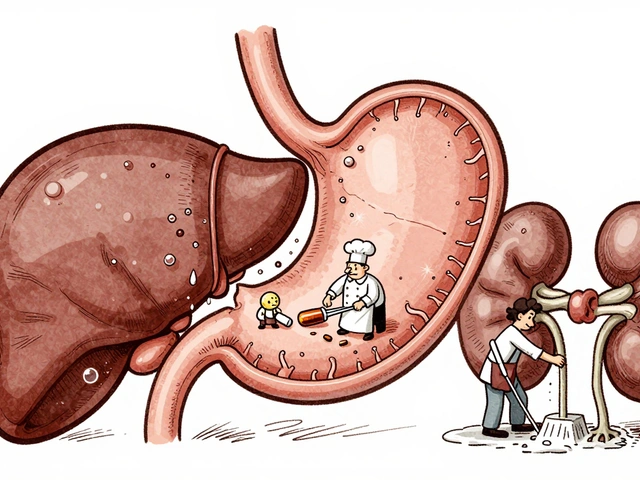
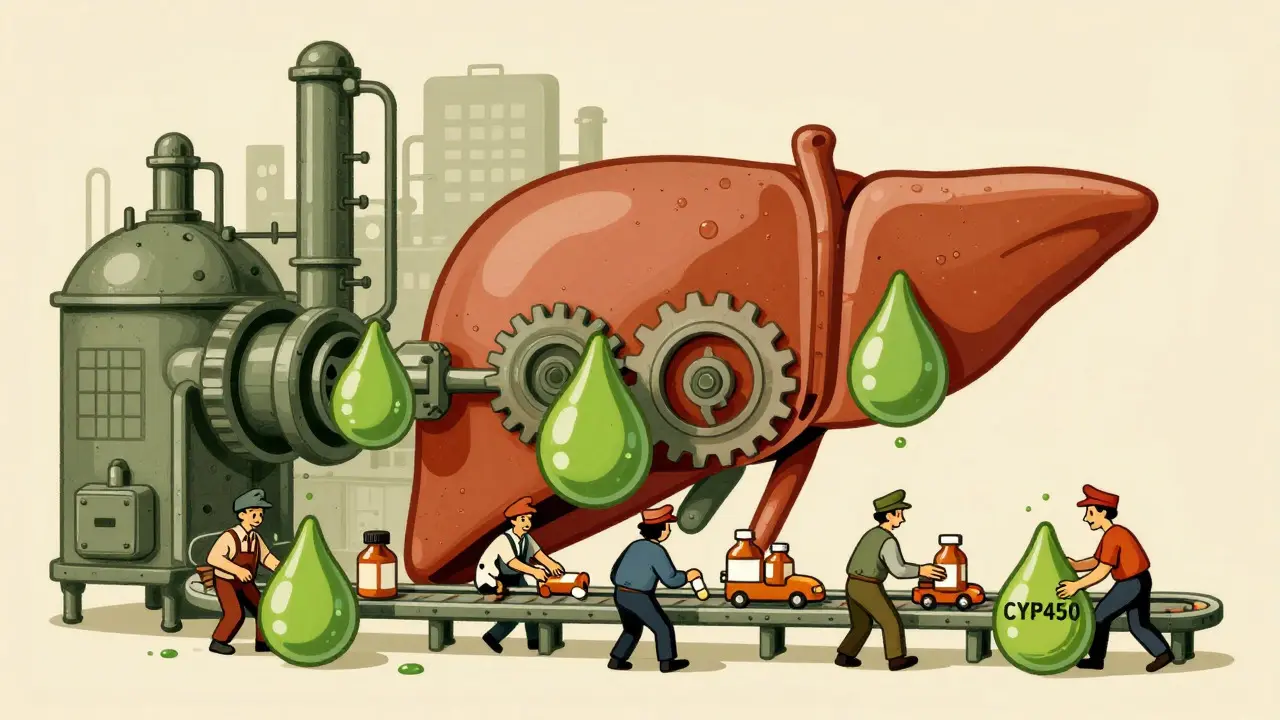
Cannabidiol (CBD) doesn’t just sit in your body doing nothing. It actively interferes with how your liver processes other drugs. Specifically, it blocks the Cytochrome P450 (CYP450) enzyme system. This system is responsible for breaking down about 70-80% of all prescription medications. When CBD inhibits these enzymes, your medications stay in your system longer and at higher concentrations than intended. The result? Increased side effects, including severe sedation, toxicity, or reduced efficacy of life-saving drugs.
The Mechanism: How CBD Blocks Your Liver’s Cleanup Crew
To understand why this happens, we need to look at the liver. Think of the liver as a factory with different assembly lines. Each line is managed by specific enzymes, known as isoforms. The most critical ones for drug metabolism are CYP3A4, CYP2C9, CYP2C19, and CYP2D6.
Research published in PMC (2023) and earlier studies by Yamaori et al. (2010-2012) show that CBD acts as a reversible inhibitor of these enzymes. Essentially, CBD plugs into the enzyme’s active site, preventing it from processing other drugs. Here is how the major cannabinoids stack up:
- CBD (Cannabidiol): Shows broad inhibition across CYP1A2, CYP3A4, CYP2B6, CYP2C9, CYP2C19, and CYP2D6. It is particularly potent against CYP2E1 and CYP2C19.
- THC (Delta-9-tetrahydrocannabinol): Primarily inhibits CYP1A2, CYP2B6, CYP2C9, CYP2C19, and CYP2D6, but generally with less potency than CBD.
- CBN (Cannabinol): Mostly affects CYP2E1, followed by CYP2B6 and CYP2C9.
The clinical significance lies in the concentration. At therapeutic doses of CBD (around 1-2 μM), the inhibition of CYP2C9 and CYP2C19 becomes substantial. Since CYP3A4 and CYP2D6 handle approximately 50% of all prescription drugs, the potential for interaction is massive. If you take a medication metabolized by CYP2C9, like warfarin, CBD can cause its levels to spike dangerously high.
High-Risk Medications: Who Is Most Vulnerable?
Not all drugs are created equal when it comes to CBD interactions. The risk depends on two factors: whether the drug is metabolized by a CYP450 enzyme that CBD inhibits, and whether the drug has a "narrow therapeutic index." A narrow therapeutic index means the difference between a helpful dose and a toxic dose is very small.
| Drug Class | Example Medications | Metabolizing Enzyme | Potential Consequence |
|---|---|---|---|
| Blood Thinners | Warfarin (Coumadin) | CYP2C9 | Increased bleeding risk; INR spikes |
| Antiepileptics | Clobazam (Onfi) | CYP2C19 | Severe sedation; increased active metabolite levels |
| Antidepressants | Selective Serotonin Reuptake Inhibitors (SSRIs) | CYP2D6, CYP3A4 | Increased side effects; serotonin syndrome risk |
| Benzodiazepines | Diazepam (Valium), Alprazolam (Xanax) | CYP3A4 | Excessive sedation; respiratory depression |
| Statins | Simvastatin, Atorvastatin | CYP3A4 | Muscle pain; liver toxicity |
The FDA-approved drug Epidiolex, which is purified CBD used for treating Lennox-Gastaut syndrome and Dravet syndrome, carries explicit warnings about these interactions. For instance, co-administration of Epidiolex with clobazam resulted in a 60% increase in plasma concentrations of N-desmethylclobazam, the active metabolite of clobazam. This isn't theoretical-it's documented clinical reality.
The Sedation Factor: More Than Just Sleepiness
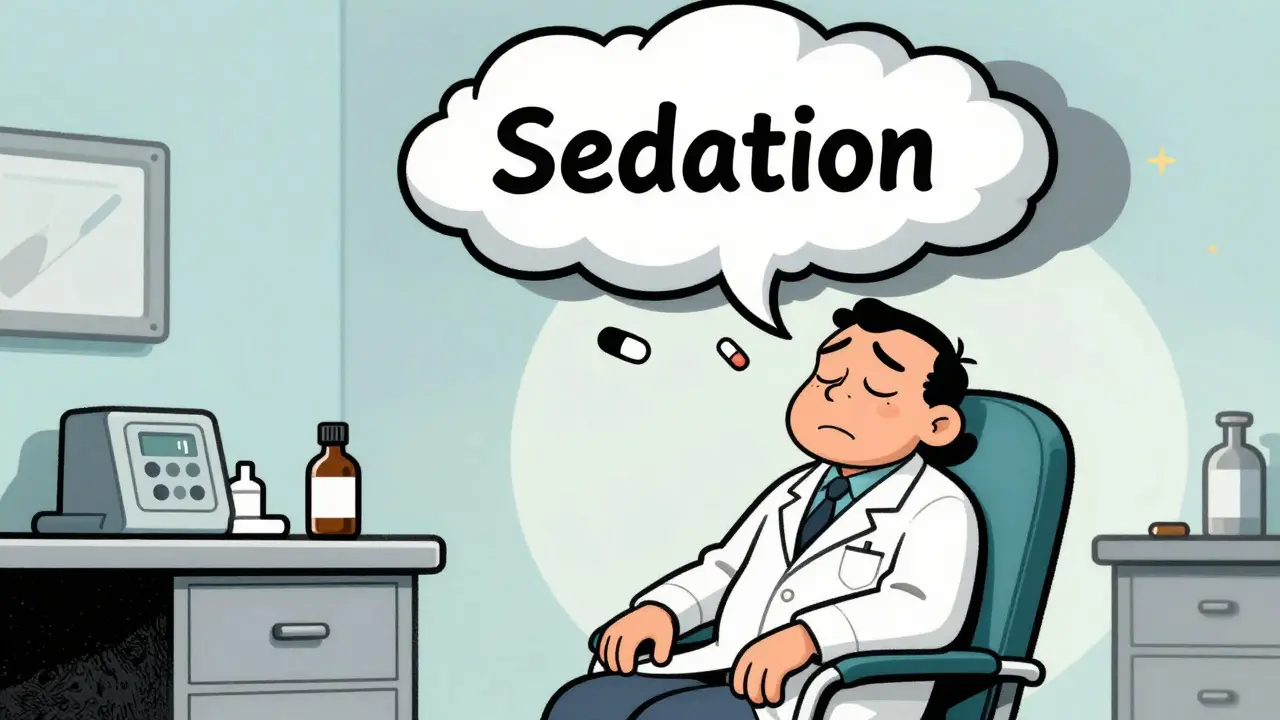
One of the most immediate and noticeable side effects of combining CBD with certain prescriptions is sedation. This isn't just feeling a bit tired. Patients report extreme drowsiness, difficulty concentrating, and even confusion.
Why does this happen? CBD itself has mild sedative properties. When you combine it with drugs that also cause drowsiness-like benzodiazepines, opioids, or antihistamines-the effects are additive. But there’s another layer: because CBD inhibits the enzymes that break down these sedatives, they linger in your bloodstream longer.
A 2023 study in Frontiers in Pharmacology surveyed 217 medical cannabis patients using prescription medications. They found that 34% experienced increased sedation when combining CBD products with their meds. The highest incidence was among those taking CYP2C19 substrates, where 58% of users reported significant sedation issues. Real-world reports echo this: a patient on Reddit described their clobazam levels spiking from 600 ng/mL to 1,050 ng/mL within two weeks of starting Epidiolex, requiring a 50% dose reduction to avoid extreme sedation.
Real-World Scenarios: What Patients Are Experiencing
Data from the FDA’s Adverse Event Reporting System (FAERS) shows 147 reports of sedation-related events potentially linked to CBD-drug interactions between 2018 and 2023. Of these, 32% involved antiepileptic drugs and 28% involved sedatives like benzodiazepines.
Consider the case of warfarin users. Warfarin is a blood thinner with a narrow therapeutic window. Its effectiveness is measured by the INR (International Normalized Ratio). An INR of 2-3 is typically target range. One patient review on PatientsLikeMe noted that taking CBD oil caused their INR to jump from 2.5 to 5.8 within 10 days. This required emergency vitamin K administration to reverse the blood-thinning effect and prevent internal bleeding. This highlights why monitoring is non-negotiable.
However, not all outcomes are negative. Some clinicians intentionally use CBD’s inhibitory effects. For example, one patient reported their doctor used CBD to reduce their fentanyl dose by 40% for chronic pain. By leveraging CYP3A4 inhibition, the fentanyl stayed in the system longer, allowing for a lower overall dose. This requires careful, expert management but demonstrates that the interaction can be harnessed safely under supervision.

How to Manage CBD and Prescription Drug Interactions Safely
If you want to use CBD oil while on prescription medication, you don’t necessarily have to choose one or the other. But you must proceed with caution. Here are practical steps based on guidelines from the American Society of Health-System Pharmacists (ASHP) and clinical experts.
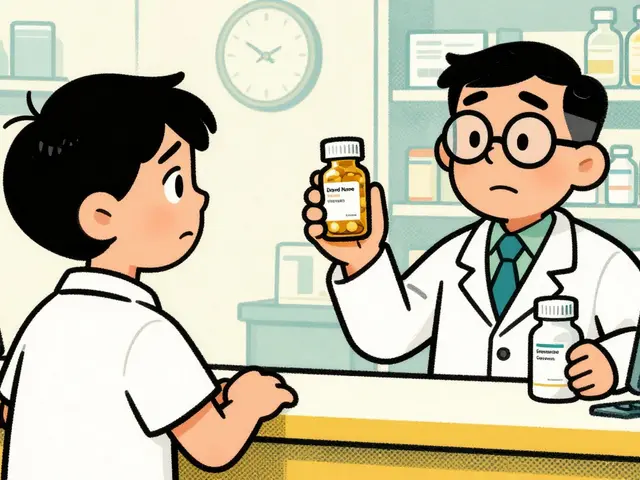
- Consult Your Pharmacist or Doctor: Before buying any CBD product, list all your current medications. Ask specifically: "Does my medication rely on CYP3A4, CYP2C9, or CYP2C19 for metabolism?"
- Start Low and Go Slow: If cleared to proceed, start with the lowest possible dose of CBD. The Epidiolex prescribing information recommends initiating at 2.5 mg/kg/day twice daily. For over-the-counter oils, this might mean just a few drops.
- Monitor Blood Levels: For drugs like warfarin, check your INR within 3-5 days of starting CBD. For antiepileptics, monitor trough levels. Adjust doses as needed.
- Watch for Symptoms: Be alert for signs of toxicity or excessive sedation. Dizziness, unusual bleeding, extreme fatigue, or confusion are red flags.
- Stagger Doses: While this doesn’t eliminate the interaction, separating CBD and medication intake by 2-4 hours may help manage peak concentration overlaps, though evidence is limited.
- Choose Quality Products: The market is unregulated. A 2022 JAMA Network Open study found CBD content in commercial products ranged from 42-121% of labeled amounts. Look for third-party tested certificates of analysis (COAs) to ensure purity and accurate dosing.
The Future of CBD and Drug Safety
The landscape is evolving. The global CBD market reached $28.6 billion in 2023, with millions of Americans using it concurrently with prescriptions. Regulatory bodies are catching up. The European Medicines Agency approved a guideline in February 2024 requiring all cannabinoid-based medicines to include CYP450 interaction data in labeling. The FDA has issued warning letters to companies omitting this information.
Future research aims to develop CBD formulations with reduced CYP inhibition, such as nanoparticle delivery systems currently in Phase I trials. Additionally, decision support tools like the University of Washington’s 'Cannabis-Drug Interaction Checker' are being developed to help clinicians navigate these complex interactions. Until then, awareness and monitoring remain your best defense.
Can CBD oil stop working if I take it with other medications?
Yes, indirectly. While CBD primarily inhibits enzymes, some drugs can induce them, speeding up CBD metabolism. However, the more common issue is that CBD increases the levels of other drugs, leading to side effects that might make you think the combination isn't working well, when actually the other drug is too strong.
Is full-spectrum CBD oil more dangerous than isolate regarding drug interactions?
Full-spectrum CBD contains trace amounts of THC and other cannabinoids like CBN and CBG. Research shows THC and CBN also inhibit CYP450 enzymes, though generally less potently than CBD. Therefore, full-spectrum products may pose a slightly higher interaction risk due to the combined effects of multiple cannabinoids, but the primary driver remains CBD itself.
How long does it take for CBD to affect my medication levels?
Changes can occur rapidly. Patient reports indicate significant shifts in drug levels, such as INR spikes for warfarin, within 10 days. For antiepileptics, changes in metabolite levels were observed within two weeks. It’s crucial to monitor blood levels closely during the first few weeks of starting CBD.
Are there any CBD products that do not interact with CYP450 enzymes?
Currently, no widely available CBD product is completely free of CYP450 interaction potential because CBD itself is the inhibitor. Some minor cannabinoids like CBG show less inhibition, but research is limited. Emerging technologies like nanoparticle delivery systems aim to reduce this interaction, but they are not yet mainstream.
What should I do if I experience excessive sedation after starting CBD?
Stop taking the CBD immediately and contact your healthcare provider. Do not drive or operate heavy machinery. Your doctor may need to adjust the dosage of your prescription medication or prescribe treatments to counteract the sedation. Keep track of your symptoms to provide detailed information to your clinician.