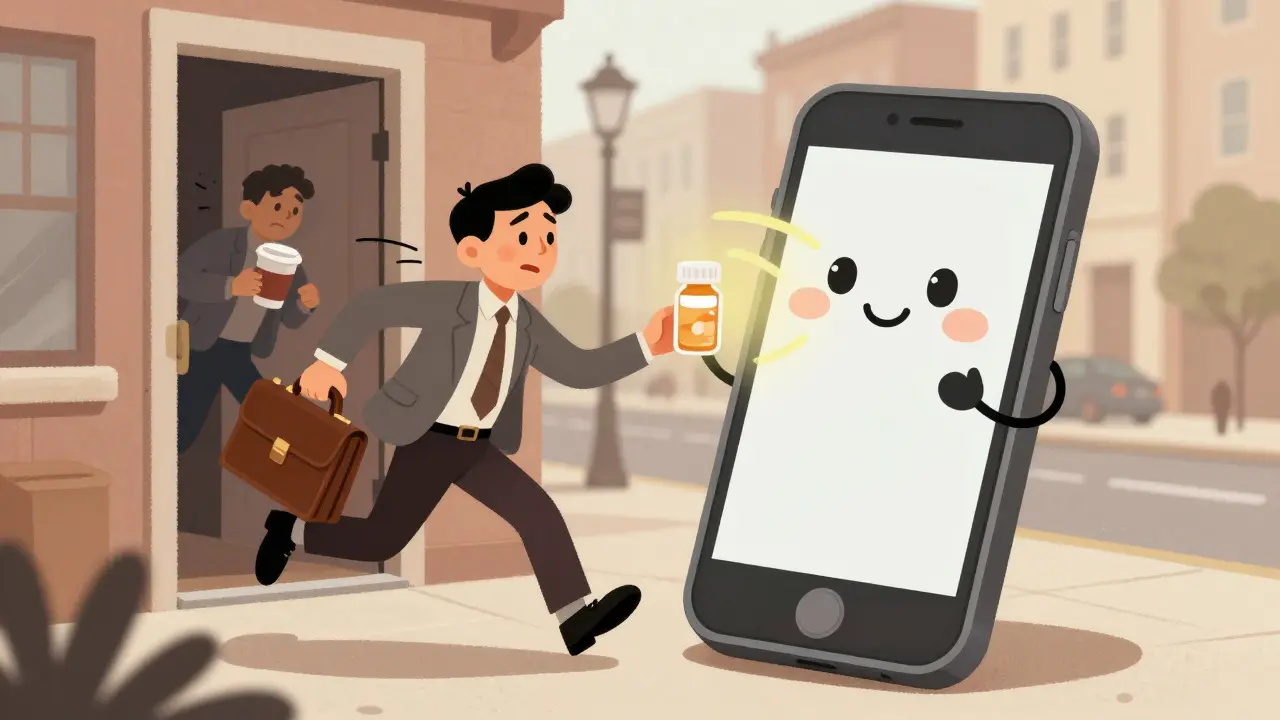
Imagine this: you’re rushing out the door for work, and your phone buzzes. It’s not a text from a friend; it’s a gentle nudge that you’ve missed your morning blood pressure pill. You grab it, take it with your coffee, and move on. Simple, right? But for millions of people managing chronic conditions, this simple moment is often the difference between staying healthy and ending up in the hospital.
We talk a lot about new drugs and treatments, but we rarely discuss the biggest problem in healthcare: taking them. The World Health Organization found back in 2003 that roughly half of all patients with chronic diseases don’t stick to their prescribed regimens. That number hasn’t moved much since then. In the United States alone, this non-adherence costs the healthcare system between $100 billion and $289 billion every year. It’s not just money; it’s preventable suffering. This is where medication reminder apps come in. They aren’t just digital alarm clocks; they are sophisticated tools designed to bridge the gap between prescription and practice.
Why Your Brain Needs a Digital Nudge
Let’s be honest: remembering to take pills three times a day, at different times, while juggling work, family, and life, is hard. Our brains are wired to forget things that don’t feel immediately urgent. When you feel okay, taking a preventive medication feels like an extra chore. This is where psychology meets technology.
Digital health interventions work by reducing the cognitive load required to stay healthy. Instead of relying on willpower, you rely on a system. Research published in the Journal of Medical Internet Research (JMIR) in 2025 analyzed 14 major studies and found that 12 of them included explicit reminder functions as their core feature. These apps don’t just beep; they track. They show you your history, highlight missed doses, and sometimes even explain why the medication matters. This visual feedback loop creates a sense of accountability that a paper calendar simply can’t match.
The data backs this up. A meta-analysis from the Journal of Managed Care & Specialty Pharmacy (JMCP) in 2020 showed that mobile apps improve adherence with a Cohen’s d effect size of 0.40. To put that in perspective, that’s better than traditional motivational interviewing (0.23) or standard educational pamphlets (0.33). Essentially, the app itself is doing more heavy lifting than many human-led interventions.
How These Apps Actually Work
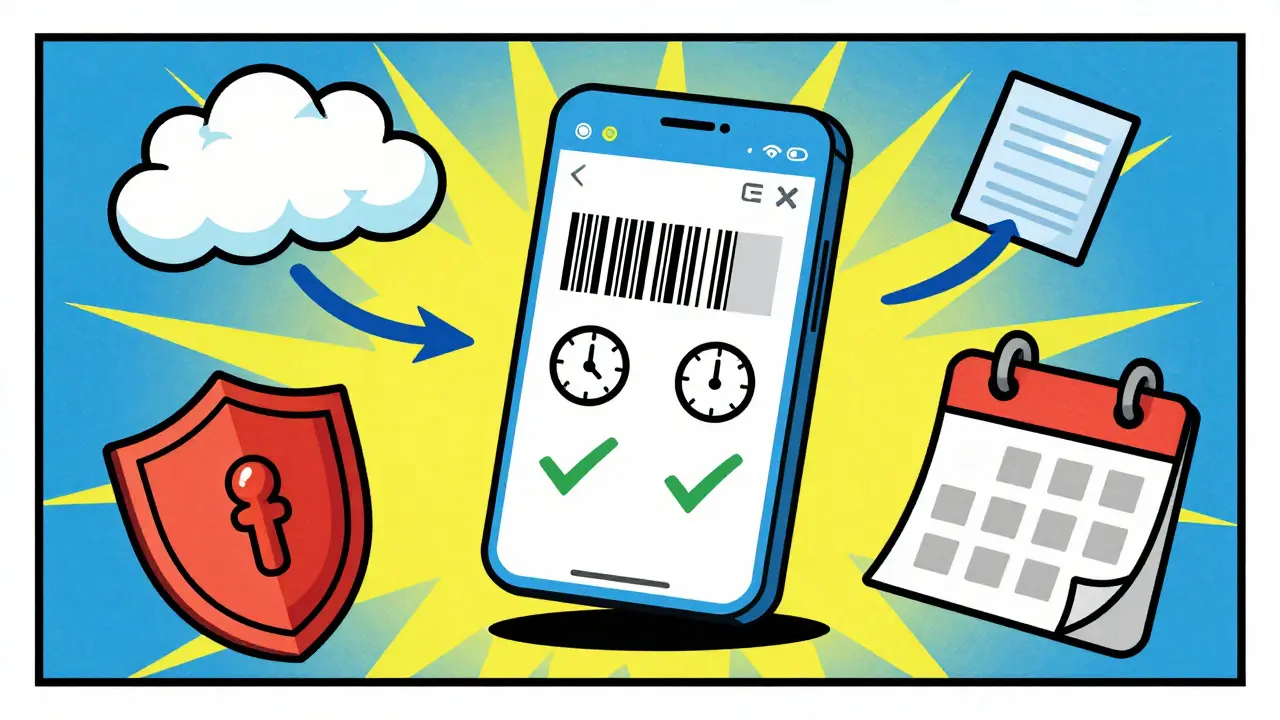
You might think these apps are just fancy calendars, but under the hood, they’re quite complex. Most modern medication reminder apps run on iOS (requiring version 13.0 or later) and Android (version 8.0 or later), using cloud-based synchronization so your data stays safe if you switch phones.
Here is what happens when you set up a typical app:
- Input: You enter your medications, dosages, and timing. Many apps now use barcode scanning to pull data directly from the bottle, reducing errors.
- Scheduling: The app calculates optimal times based on your input and sends push notifications. These aren’t generic alerts; they can be customized to sound, vibration, or even voice prompts.
- Tracking: When you tap “Taken,” the app logs the timestamp. If you miss it, it flags the dose and may suggest a catch-up strategy based on general medical guidelines (though always check with your doctor).
- Syncing: Advanced apps sync with electronic health records (EHRs) using FHIR APIs. For example, Medisafe updated its platform in 2023 to support HL7 FHIR integration, allowing doctors to see adherence trends during visits.
Security is also a major factor. Since these apps handle sensitive health data, they typically follow HIPAA compliance standards. Look for apps that use AES-256 encryption for data stored on your device and TLS 1.2+ for data moving across networks. Your health data should be as protected as your bank details.
Picking the Right Tool for Your Needs
Not all apps are created equal. With over 1,200 medication management apps available as of May 2025, choosing one can feel overwhelming. The market is dominated by a few key players, but each serves a slightly different purpose.
| App Name | Best For | Key Feature | User Rating (Approx.) |
|---|---|---|---|
| Medisafe | Complex regimens & caregivers | Caregiver sharing & interaction checks | 4.7/5 (iOS) |
| MyTherapy | Holistic health tracking | Tracks symptoms, mood, & exercise alongside meds | 4.6/5 (Android) |
| Round Health | Personalized coaching | Human coaches + AI-driven insights | 4.5/5 (General) |
| Mango Health | Gamification lovers | Earn rewards for taking meds on time | 4.4/5 (General) |
If you have a specific condition like hypertension or diabetes, look for condition-specific apps. The 2025 JMIR review noted that 9 of the 14 apps studied were tailored to specific diseases, with 4 focusing solely on hypertension. These specialized tools often provide educational content relevant to your condition, which can boost motivation beyond just the reminder function.
For those who struggle with motivation, gamified apps like Mango Health or the Smart-Meds pilot study (published in JMIR Cardiology 2025) use narrative techniques and rewards to make adherence feel less like a chore and more like a game. This approach has shown promise in enhancing "self-efficacy"-your belief in your ability to succeed.
The Real-World Challenges: Who Gets Left Behind?
While the tech is impressive, it’s not a magic bullet for everyone. We need to talk about the digital divide. Dr. Michael Johnson, Chief Medical Officer at the American Pharmacists Association, warned in a 2024 commentary that elderly and low-income populations often lack the smartphone proficiency or reliable internet access needed to use these tools effectively.
Data from the 2024 National Health Interview Survey shows a stark contrast: 68% of adults aged 18-49 use medication reminder apps, compared to only 29% of adults aged 65+. This isn’t because older adults don’t benefit; it’s because the barrier to entry is higher. Setup can be confusing. A 2023 NIH study found that medically underserved patients needed an average of 22 minutes to configure their apps initially, though 87% managed it after a single 15-minute training session.
Battery drain and notification failures are also common complaints. In negative reviews on Google Play, 31% cited missed notifications, and 23% of iOS users complained about battery usage. If an app drains your phone or fails to alert you, it’s useless. Always check recent reviews for mentions of reliability before committing.
Setting Up for Success: A Step-by-Step Guide
To get the most out of these tools, you need to implement them correctly. Here is a practical checklist based on best practices from clinical trials:
- Start Small: Don’t try to track everything at once. Begin with your most critical medications.
- Customize Alerts: Use distinct sounds or vibrations for different meds. If you take insulin and metformin, make sure the alerts are distinguishable.
- Involve Caregivers: If you live with family, use apps that allow caregiver sharing (like Medisafe). This adds a layer of social accountability.
- Review Weekly: Spend five minutes every Sunday reviewing your adherence history. Identify patterns. Do you always miss the evening dose? Adjust the time or add a secondary trigger (like linking it to brushing teeth).
- Check Interactions: Use the app’s drug interaction checker before adding new prescriptions. While not a replacement for pharmacist advice, it’s a great safety net.
Remember, the goal isn’t perfection; it’s progress. Even a small improvement in adherence can lead to significant health benefits over time.
What’s Next in Digital Adherence?
The field is evolving rapidly. By 2027, the Digital Medicine Society predicts that 35% of medication reminder apps will integrate with smart pill bottles. Imagine a bottle that opens only when it’s time to take the pill, or one that confirms ingestion via sensors. This hardware-software combo could eliminate the "I took it but forgot to log it" problem entirely.
Artificial Intelligence is also playing a bigger role. Medisafe’s June 2025 update introduced AI-powered adherence prediction, analyzing usage patterns to predict when a user might lapse and intervening proactively. Early data showed a 15% improvement in sustained engagement with this feature.
However, sustainability remains a concern. The 2025 JMIR review noted that 7 of the 14 apps studied were no longer actively maintained. When choosing an app, look for companies with strong funding and clear roadmaps. Apps that demonstrate clear clinical outcomes, like the 43% adherence improvement seen in the NIH 2023 study, are more likely to secure long-term support through value-based care contracts.
Are medication reminder apps free?
Most top-tier apps like Medisafe and MyTherapy offer robust free versions with basic reminder and tracking features. Premium subscriptions usually unlock advanced analytics, unlimited medication lists, and caregiver sharing capabilities. Prices vary, but many insurance plans are beginning to cover digital health tools as part of chronic disease management programs.
Can I share my medication data with my doctor?
Yes, increasingly so. Many apps now support export functions that generate PDF reports of your adherence history. Some, like Medisafe, integrate with Electronic Health Records (EHRs) via FHIR standards, allowing your provider to view your data directly in their system. Always ask your doctor if they accept digital adherence reports.
Is my health data safe in these apps?
Reputable apps prioritize security. Look for platforms that state they are HIPAA-compliant (if in the US) or GDPR-compliant (in Europe). They should use end-to-end encryption (AES-256) for stored data and secure transmission protocols (TLS 1.2+) for online communication. Avoid obscure apps that do not clearly outline their privacy policies.
Do these apps work for older adults?
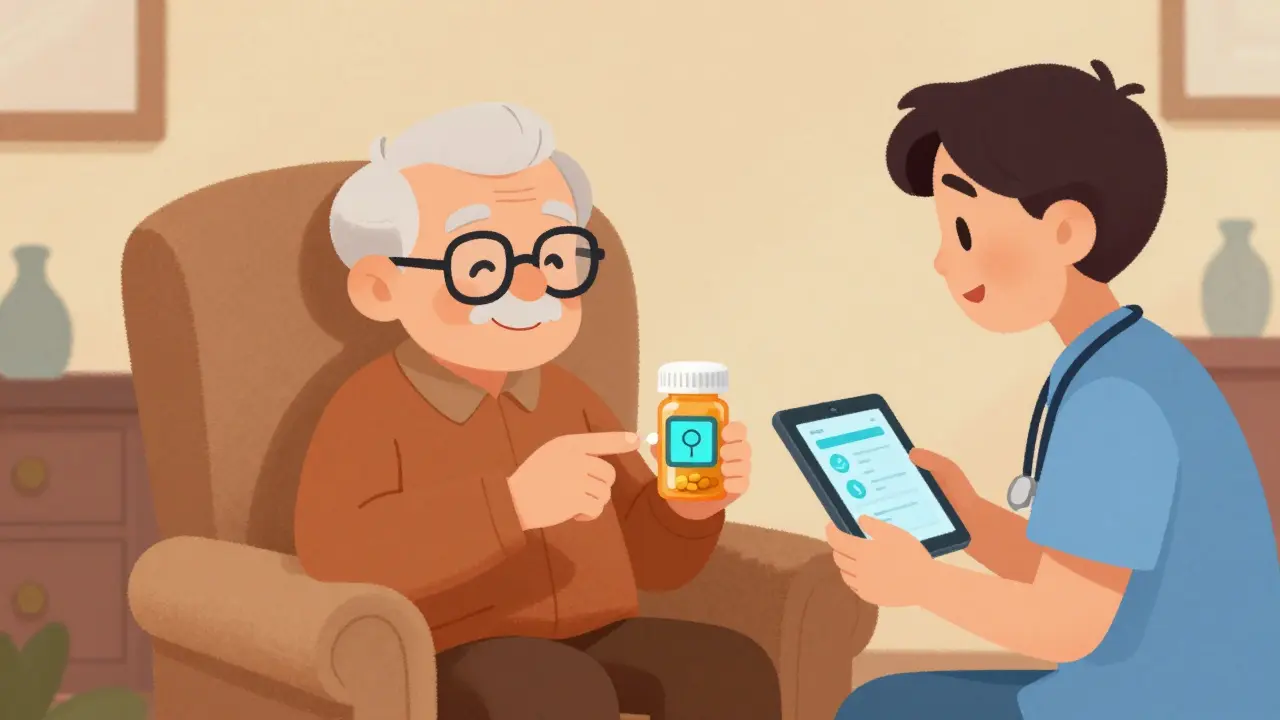
They can, but usability is key. Older adults may find complex interfaces frustrating. Apps with large text, simple navigation, and voice-command features are best. Family members can also help by setting up the initial configuration. Studies show that with a brief 15-minute training session, most seniors can successfully use these tools independently.
What if I miss a notification?
Most apps allow you to snooze or reschedule reminders. However, never double-dose without consulting your pharmacist or doctor. The app’s primary role is to prompt you; medical judgment should always guide how to handle missed doses, especially for critical medications like blood thinners or insulin.