Licorice-Glycyrrhizin Risk Calculator
Estimated Daily Intake
0 mg
Safe Upper Limit (EFSA)
100 mg
Percentage of Limit
0%
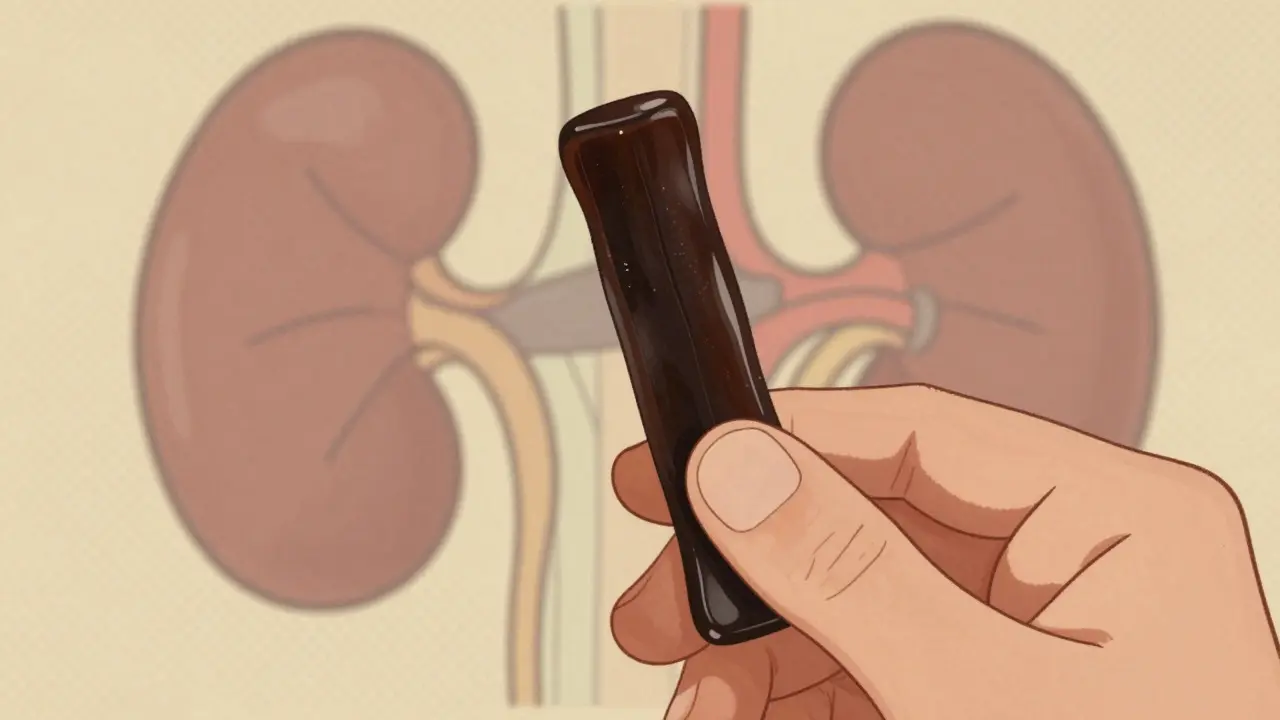
That sweet, earthy taste of black licorice is harmless to most people. But for those managing blood pressure or taking specific prescriptions, it might be quietly working against their treatment plan. This isn't just about flavor; it's about chemistry. The active compound in real licorice, known as glycyrrhizin, mimics the hormone aldosterone in your body. When you consume too much, your kidneys hold onto sodium and flush out potassium. This shift can spike your blood pressure and weaken your muscles, creating a perfect storm if you are already on certain medications.
The Chemistry Behind the Sweet Risk
To understand why this candy matters medically, we have to look at what is actually inside it. Not all licorice is created equal. In the United States, many products labeled "licorice" are actually flavored with anise oil and contain zero glycyrrhizin. These are generally safe. However, traditional European-style black licorice contains significant amounts of glycyrrhizin, typically ranging from 0.5% to 2% of the root weight. Herbal supplements are even more potent, often containing between 4% and 24% glycyrrhizin.
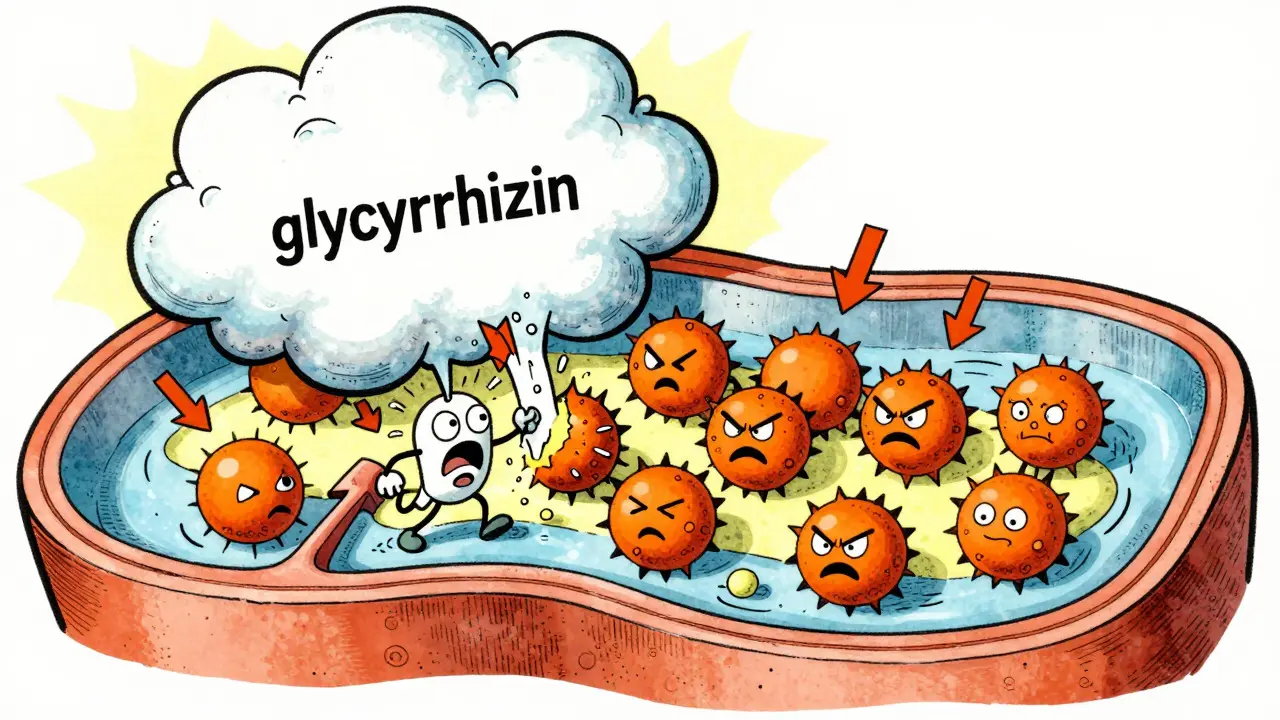
Glycyrrhizin works by inhibiting an enzyme called 11β-hydroxysteroid dehydrogenase type 2. Normally, this enzyme breaks down cortisol so it doesn't bind to mineralocorticoid receptors. When glycyrrhizin blocks this enzyme, cortisol builds up and activates these receptors, leading to a condition known as pseudoaldosteronism. The result is fluid retention, high blood pressure, and low potassium levels (hypokalemia). For a healthy person eating a few pieces of candy, this is rarely an issue. But for someone on interacting drugs, the threshold for trouble is much lower.
Medications That Clash with Licorice
The interaction risk depends heavily on which medication you are taking. Here are the most common conflicts documented in medical literature:
- Antihypertensives (Blood Pressure Meds): Drugs like lisinopril or losartan work to lower blood pressure. Licorice raises it. If you take both, the licorice can effectively cancel out the medication, leading to uncontrolled hypertension. One user reported their blood pressure jumping from 120/80 to 165/95 within three days of eating 30g of licorice daily while on lisinopril.
- Diuretics (Water Pills): Thiazide diuretics and loop diuretics already cause your body to lose potassium. Adding licorice accelerates this loss. When potassium drops below 3.0 mmol/L, you risk muscle cramps, fatigue, and dangerous heart arrhythmias.
- Digoxin: This heart medication has a narrow therapeutic window. Low potassium levels caused by licorice make digoxin more toxic. A case report documented digoxin toxicity in a patient whose serum potassium dropped to 2.8 mmol/L due to licorice consumption.
- Corticosteroids: Patients taking prednisone or fludrocortisone are already dealing with sodium retention. Licorice adds fuel to the fire. A man taking fludrocortisone developed severe hypertension (205/110 mmHg) after consuming licorice, despite having stable blood pressure for years prior.
- Blood Thinners (Warfarin): The relationship here is complex. Some studies suggest licorice may inhibit liver enzymes that break down warfarin, potentially increasing bleeding risk. Others show inconsistent effects. If you take warfarin, any change in licorice intake requires close INR monitoring within 7-10 days.
How Much Is Too Much?
There is no single "safe" number for everyone, but regulatory bodies provide guidelines. The European Food Safety Authority established a safe upper limit of 100 mg of glycyrrhizin per day for healthy adults. To put this in perspective, 100 mg of glycyrrhizin is roughly equivalent to 50 grams (about 1.7 ounces) of traditional black licorice candy containing 2% glycyrrhizin. That’s less than two standard bars.
However, individual sensitivity varies. Adverse effects typically appear after consuming high amounts for more than two to four weeks. A 2012 study highlighted a man who ate 200g of licorice daily (containing 200-400 mg glycyrrhizin) and developed severe hypertension (210/120 mmHg) and hypokalemia (2.6 mmol/L) within three weeks. If you are on interacting medications, you should aim for well below this limit, perhaps treating licorice as an occasional treat rather than a daily habit.
| Product Type | Glycyrrhizin Content | Risk Level | Key Note |
|---|---|---|---|
| Anise-flavored "Licorice" | 0% | Low | No glycyrrhizin; safe for most meds. |
| Traditional Black Licorice Candy | 0.5% - 2% | Moderate | Safe in small amounts; risky if eaten daily with BP meds. |
| Herbal Supplements | 4% - 24% | High | Concentrated doses; high risk of pseudoaldosteronism. |
| Deglycyrrhizinated Licorice (DGL) | < 1% | Very Low | Specifically processed to remove glycyrrhizin. |
Signs Your Body Is Reacting
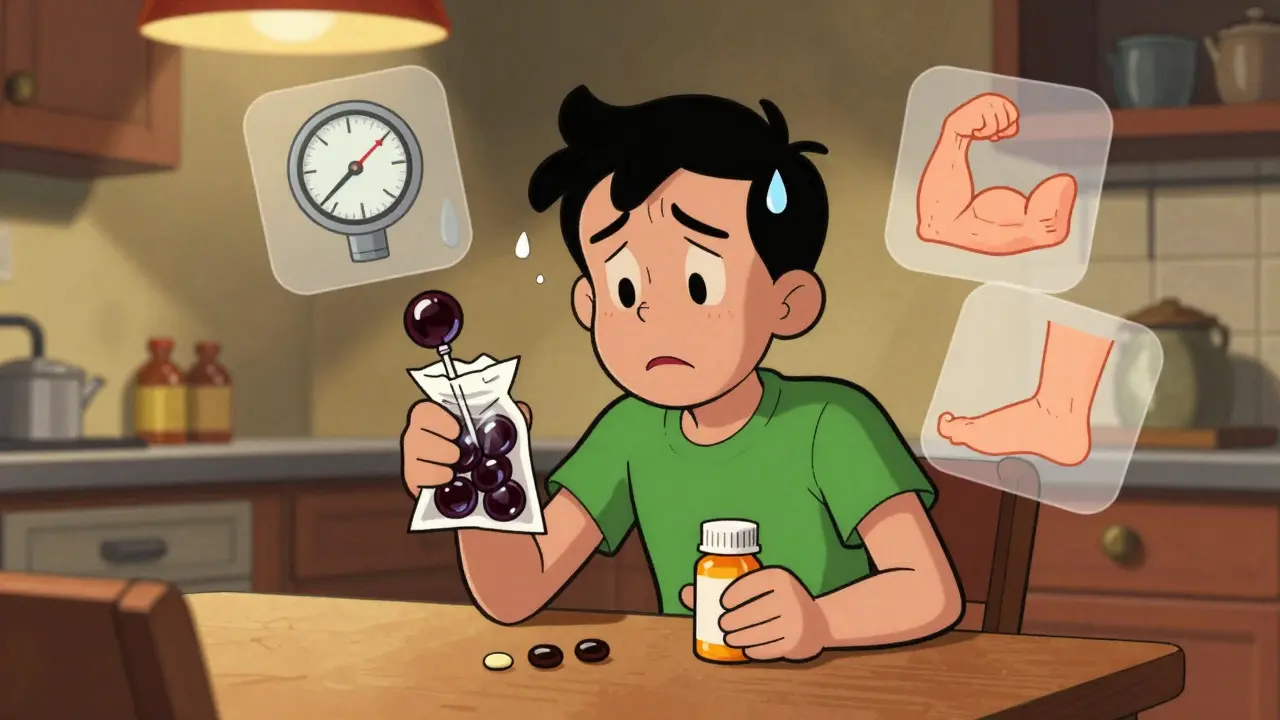
If you are consuming licorice regularly, watch for these symptoms of pseudoaldosteronism. They often mimic other conditions, making them easy to miss:
- Headaches: Often related to rising blood pressure.
- Muscle Weakness or Cramps: A direct sign of low potassium.
- Fatigue: Generalized tiredness due to electrolyte imbalance.
- Swelling: Fluid retention in hands, feet, or ankles.
- Shortness of Breath: Can occur if fluid accumulates in the lungs due to high blood pressure.
A 2009 case report even linked licorice-induced water retention to carpal tunnel syndrome, where a patient gained 8.2 kg over six weeks. While extreme, it shows how widespread the fluid retention effect can be.
Practical Steps for Safe Consumption
You don't necessarily have to give up licorice, but you need to be strategic. First, check the label. Look for the word "glycyrrhiza glabra" or "licorice root extract." If it says "natural flavors" or "anise," it likely contains no active glycyrrhizin. Second, talk to your pharmacist. Only 37% of community pharmacists correctly identify all major licorice-drug interactions, so bring up the topic explicitly. Ask if your specific medication list conflicts with glycyrrhizin.
If you do eat licorice while on interacting meds, monitor your health closely. Check your blood pressure at home weekly. Consider getting a basic metabolic panel done to check your potassium levels if you notice weakness or cramping. Finally, consider switching to DGL (deglycyrrhizinated licorice) products. These are marketed specifically for digestive health and contain less than 1% glycyrrhizin, significantly reducing the risk of hormonal interactions.
Frequently Asked Questions
Does red licorice interact with medications?
Usually, no. Most red licorice sold in the US is flavored with cherry or other fruit extracts and does not contain glycyrrhizin. However, always check the ingredient list for "licorice root" to be sure. If it only lists sugar, corn syrup, and natural flavors, it is likely safe.
What is the difference between licorice and anise?
Anise is a plant seed used for flavoring, while licorice comes from the root of the Glycyrrhiza glabra plant. Anise contains no glycyrrhizin, so it does not cause the same blood pressure and potassium issues. Many candies labeled "licorice" in North America are actually anise-flavored.
Can I eat licorice if I have high blood pressure?
It is best to avoid it or consume it very sparingly. Since glycyrrhizin raises blood pressure by retaining sodium, it can counteract antihypertensive medications. If you enjoy it, stick to anise-flavored varieties or limit yourself to one or two pieces occasionally.
Is DGL licorice safe for people on diuretics?
Generally, yes. DGL stands for deglycyrrhizinated licorice, meaning the glycyrrhizin has been removed. Since glycyrrhizin is the compound that causes potassium loss, DGL poses a much lower risk for people taking diuretics. It is often used as a safer alternative for stomach soothing.
How long does it take for licorice effects to wear off?
For most people, blood pressure and potassium levels return to normal within a few days to two weeks after stopping licorice consumption. However, if you have developed severe hypertension or hypokalemia, consult a doctor immediately, as recovery may require medical intervention.