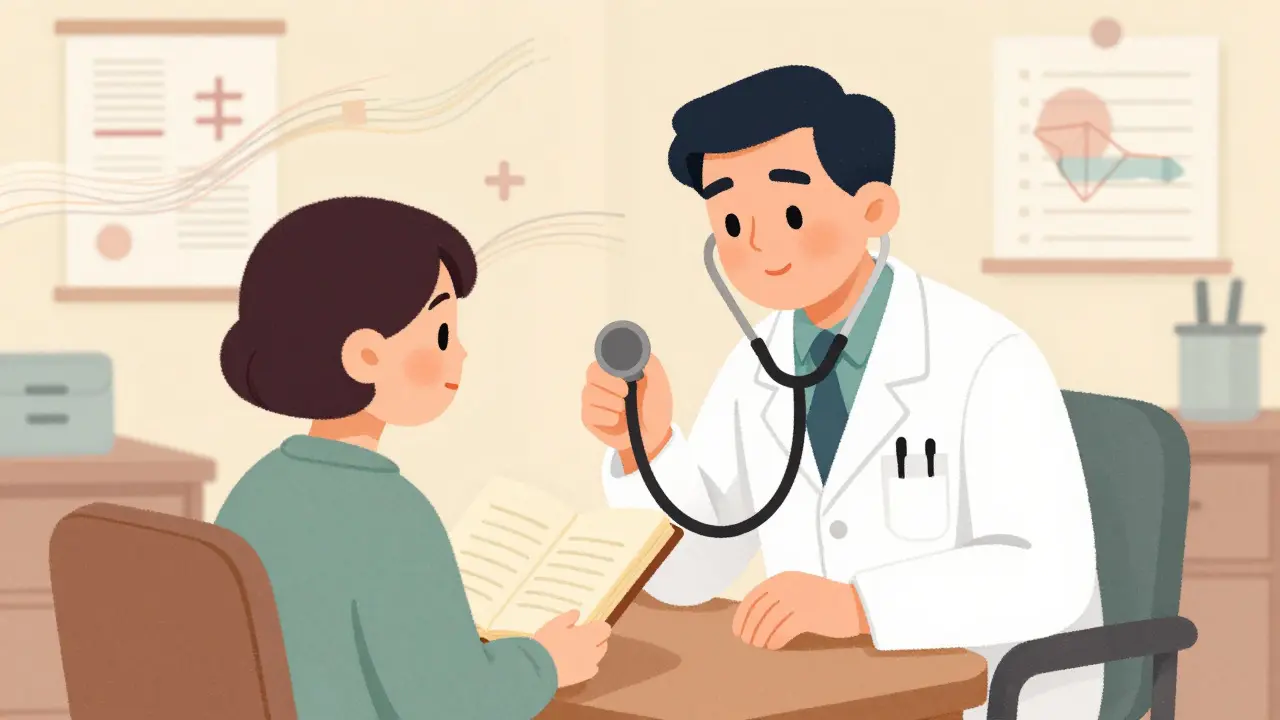
Imagine walking into a clinic with a diagnosis that feels like it belongs to someone else. You hear the terms, you see the charts, but nothing clicks. This disconnect is where narrative medicine steps in. It is not just about listening; it is about understanding the story behind the symptoms. By bridging the gap between clinical data and human experience, this approach helps patients accept their conditions and treatment plans more readily.
The core idea is simple yet powerful: people accept what they understand, and they understand through stories. When a doctor explains a condition using only medical jargon, the patient often feels alienated. But when that same information is woven into a narrative that acknowledges the patient's fears, hopes, and daily life, acceptance becomes much more natural. This article explores how these stories work, why they matter for both doctors and patients, and how you can apply these principles to improve your own health journey or professional practice.
The Roots of Narrative Medicine
Rita Charon, a physician and literary scholar at Columbia University, founded the Program in Narrative Medicine in 1996. She identified a critical gap in modern healthcare: clinicians were becoming so focused on technology and efficiency that they forgot to listen to the person in front of them. Charon defined narrative competence as the ability to acknowledge, absorb, interpret, and act on the stories and plights of others.
This is not a new concept in philosophy, but Charon brought it into the clinical mainstream. She argued that literature and art are not distractions from science; they are essential tools for developing empathy. By studying narratives, doctors learn to recognize metaphors, silences, and emotional cues that pure data misses. This foundation has since expanded globally, influencing how medical schools train students to connect with patients on a deeper level.
How Stories Change Patient Perception
Acceptance of a health condition is rarely an instant switch. It is a process of making sense of chaos. When a patient receives a difficult diagnosis, their first reaction is often shock or denial. Clinical facts alone do little to soothe this turmoil. However, when a provider engages with the patient's personal story, several things happen:
- Validation: The patient feels heard, which reduces anxiety and isolation.
- Contextualization: The medical condition is placed within the patient’s life context, making it feel manageable rather than overwhelming.
- Agency: The patient moves from being a passive recipient of care to an active participant in their healing journey.
For example, a patient with chronic pain might describe their condition as "a thief stealing my energy." If a doctor simply prescribes medication, the metaphor remains unaddressed. But if the doctor asks, "What does this thief look like? What does he take first?", the conversation shifts. The patient begins to articulate their experience clearly, and the doctor can tailor the treatment plan to address those specific losses. This shared language builds trust, which is the bedrock of treatment adherence.
The Role of Brand Psychology in Healthcare
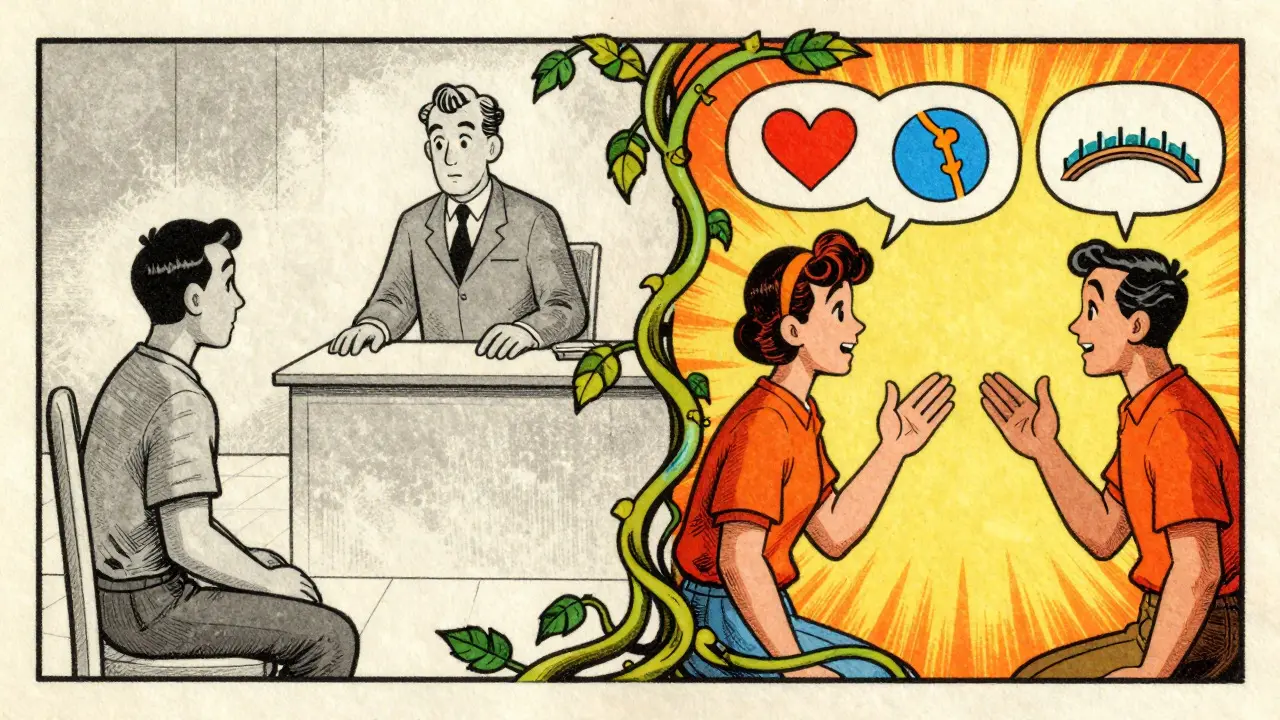
You might wonder how brand psychology fits into a medical discussion. In healthcare, the "brand" is not just a logo; it is the trust relationship between the provider and the patient. Just as consumers choose brands they believe will deliver on their promises, patients choose treatments they believe will respect their dignity and autonomy.
Narrative medicine strengthens this psychological bond. When a healthcare system consistently uses empathetic communication, it builds a positive brand reputation for compassion. Patients are more likely to accept generic medications or new therapies if they feel the provider genuinely understands their needs. Conversely, a transactional, rushed interaction erodes trust, leading to skepticism about even the most effective treatments. In this sense, every clinical encounter is a branding moment. The story the provider tells-and how they tell it-shapes the patient’s long-term perception of the healthcare system.
Practical Techniques for Clinicians and Caregivers
Implementing narrative medicine does not require a degree in literature. It requires a shift in attention. Here are three practical techniques you can use immediately:
- Active Listening with Reflection: Instead of interrupting to correct or diagnose, reflect back what you hear. Say, "It sounds like this diagnosis has changed how you view your future." This shows you are absorbing their story, not just their symptoms.
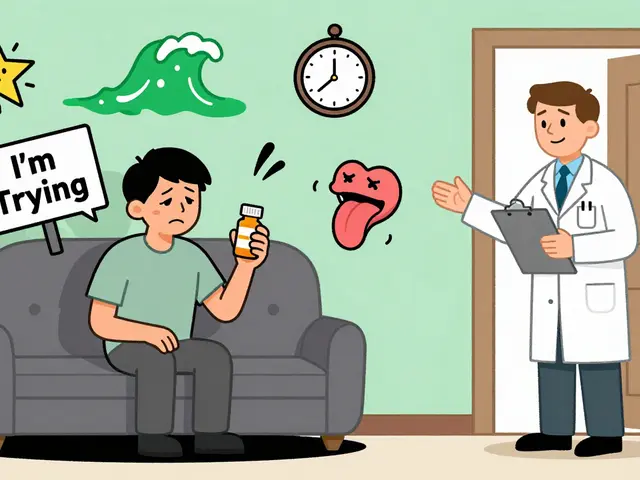
- Exploring Metaphors: Ask patients to describe their illness in non-medical terms. Do they feel trapped? Are they fighting a battle? Are they navigating a storm? These metaphors reveal the emotional core of their resistance or acceptance.
- Shared Decision-Making: Present options as part of their story, not as isolated choices. "Given your goal to walk your daughter down the aisle, here is how this therapy supports that path." This aligns the treatment with their personal narrative.
Clinicians who practice these methods report lower burnout rates. A 2023 study in The Permanente Journal found that narrative medicine interventions helped mitigate burnout in pediatric residents by fostering empathy and self-compassion. When providers feel connected to the human side of medicine, they are less likely to feel drained by the mechanical aspects of care.
Overcoming Resistance to Narrative Approaches
Skepticism is common. Many traditionalists view narrative medicine as "soft" or time-consuming. They argue that medicine should be objective and data-driven. While objectivity is crucial, ignoring the subjective experience of the patient leads to poor outcomes. Research shows that patients who feel unheard are less likely to adhere to medication regimens and more likely to seek second opinions or alternative remedies.
To overcome this resistance, frame narrative skills as diagnostic tools. Just as a stethoscope reveals heart sounds, attentive listening reveals the barriers to acceptance. It is not an extra step; it is part of the assessment. Institutions like the University of Kentucky have integrated these sessions into standard care, showing that narrative reflection helps patients reconcile their diagnoses and recover mentally. The data supports the practice: improved patient satisfaction, higher engagement, and better clinical outcomes.
| Aspect | Traditional Approach | Narrative-Informed Approach |
|---|---|---|
| Focus | Disease and Data | Patient Experience and Context |
| Communication Style | Informational, One-way | Dialogic, Two-way |
| Patient Role | Passive Recipient | Active Participant |
| Outcome Goal | Compliance | Acceptance and Engagement |
| Clinician Impact | Higher Risk of Burnout | Enhanced Resilience and Empathy |
Building a Culture of Storytelling in Health
Change starts small but ripples outward. For individual patients, writing down your health journey can be a powerful tool for acceptance. Journaling allows you to organize your thoughts, identify patterns, and articulate your needs before appointments. For healthcare teams, regular reflective practices can keep the human element alive. Hospitals that invest in narrative training create a culture where empathy is not an afterthought but a core competency.
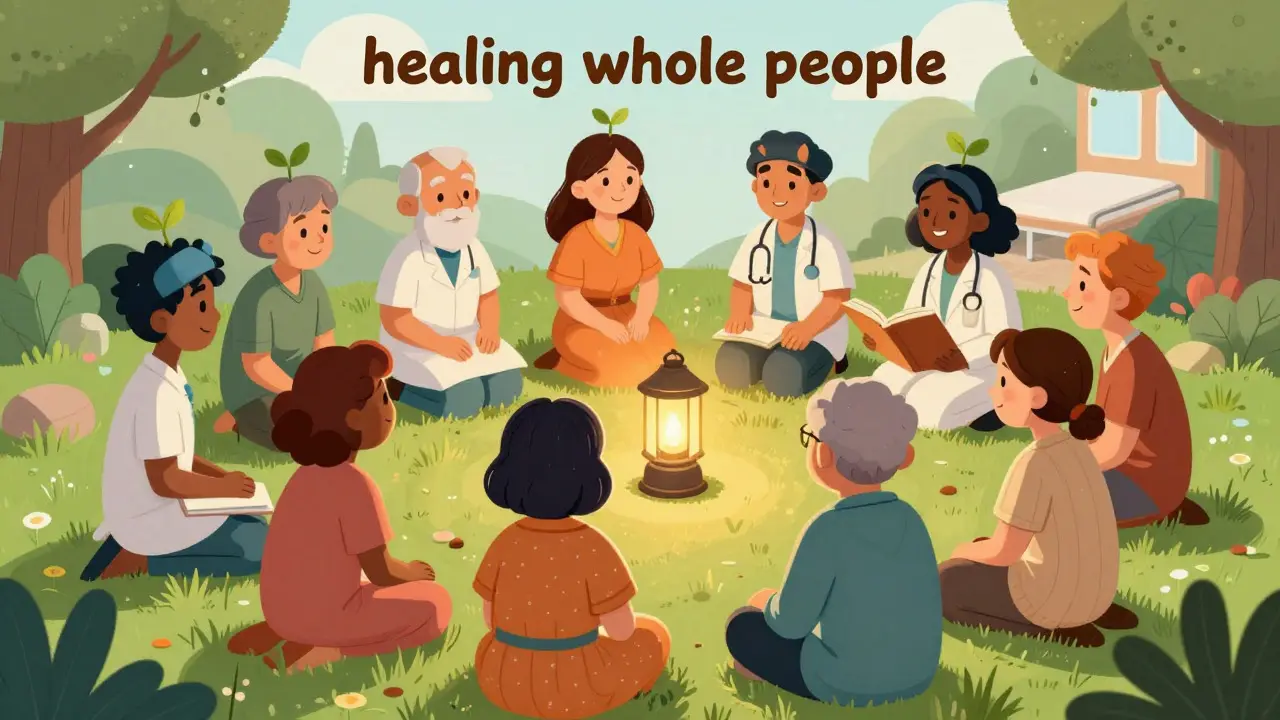
As healthcare continues to evolve, the integration of humanities and science will only deepen. The goal is not to replace evidence-based medicine but to enrich it with the wisdom of human connection. When we listen to stories, we do not just treat bodies; we heal whole people. And in doing so, we build a healthcare system that patients truly accept and trust.
What is the main benefit of narrative medicine for patients?
The main benefit is increased acceptance of their diagnosis and treatment plan. By feeling heard and understood, patients reduce anxiety and become more engaged in their own care, leading to better health outcomes.
Does narrative medicine replace traditional medical treatment?
No, it complements it. Narrative medicine enhances the communication aspect of care, ensuring that evidence-based treatments are delivered in a way that resonates with the patient’s personal values and experiences.
How can I use narrative techniques in my own health journey?
Try journaling about your symptoms and how they affect your daily life. Identify metaphors you use to describe your condition. Bring these insights to your doctor to facilitate a more personalized conversation about your treatment options.
Is narrative medicine only for mental health issues?
No, it applies to all areas of healthcare, including chronic pain, cancer, cardiology, and pediatrics. Any condition that impacts a person’s identity or daily routine benefits from a narrative-informed approach.
Who pioneered the field of narrative medicine?
Dr. Rita Charon is widely recognized as the founder of the field. She established the Program in Narrative Medicine at Columbia University in 1996, formalizing the discipline and its educational frameworks.

10 Comments
Oh, this is just so incredibly important! I have been fighting with my own diagnosis for years and it feels like nobody actually hears the human part of me. It’s not just about the pills, it’s about the fear that keeps you up at night. When a doctor finally sat down and asked how the illness felt rather than just what it was, everything changed. It was like a weight lifted off my shoulders in that single moment. We need more of this everywhere, honestly.
I totally agree with the point about validation. In my experience, feeling heard is half the battle. If the provider gets your story, you’re way more likely to stick with the plan because it feels like a partnership instead of an order. It’s such a simple shift but makes a huge difference in how you feel about your care.
honestly i think this is undervalued so much. we are taught to be robots in med school right? like data in data out. but people are messy and scared and sometimes they need someone to say "yeah this sucks" before they can take the meds. its wild how much power a good story has over a chart.
The concept of narrative competence is fascinating from a philosophical standpoint. It suggests that truth in medicine is not purely objective but is co-constructed through language and shared meaning. This aligns with hermeneutic traditions where understanding requires interpretation. If we view the patient-provider relationship as a dialogical encounter, then empathy becomes a cognitive skill rather than just an emotional one. This reframing could significantly alter medical education curricula by prioritizing literary analysis alongside pharmacology. The potential for reducing diagnostic errors through better contextual understanding is immense. We must recognize that the 'data' of a life cannot be fully captured by numbers alone. Storytelling restores the agency often stripped away by clinical detachment. It is a return to the art of healing. A necessary correction to our current trajectory.
love this perspective. i tried journaling my symptoms last month and it helped me explain them to my dr so much better. no more guessing games. we just talked about the "storm" i kept mentioning and she adjusted my meds accordingly. felt like a real team effort
Well, I mean, look at all these studies and articles popping up every other day claiming that if you just listen to people enough they will magically get better without needing actual hard science or rigorous double-blind trials which is basically just a fancy way of saying we are all going to start treating patients like characters in a novel instead of biological entities which sounds nice until you realize that most doctors are already overworked and underpaid and don't have time to sit around analyzing metaphors about thieves stealing energy when they have twenty minutes per appointment to deal with insurance codes and lab results and phone calls from nurses who need clarifications on prescriptions so yeah sure let's add another layer of complexity to an already broken system and call it innovation because apparently being human is the new buzzword in healthcare administration now.
Great point about burnout. Doctors need this too. When you connect with the person, the job feels less mechanical. It’s a win-win for everyone involved in the care process.
Don't get me wrong, it's lovely, but isn't this just the pharmaceutical industry trying to make us more compliant? They want you to 'accept' the treatment so you keep buying the brand name drugs. The 'story' is just a marketing tool to bypass your critical thinking. Watch out, the real agenda is profit, not empathy. But do enjoy your little journaling session while they count their money.
Good article but missng the cultural angle 🤔. In India we have strong family narratives that influence health decisions. Sometimes the patient story is not just individual but collective. Need to consider this in global health context 😊. Great read though 👍.
This is typical western self-indulgence. You think your 'story' matters more than the statistical probability of survival? Narrative medicine is just a way for lazy doctors to avoid doing the hard work of evidence-based practice. Stop crying and take your pills. The universe doesn't care about your metaphor. Get over it.
Write a comment