Medication Bladder Impact Checker
Select Your Medications
Diuretics (Water Pills)
High ImpactHydrochlorothiazide, Furosemide (Lasix), Spironolactone
Increases urine volume by 20-50%.Calcium Channel Blockers
Moderate ImpactAmlodipine, Nifedipine, Verapamil
Impairs bladder contraction; causes nocturia.Antidepressants (SSRIs/SNRIs)
Moderate ImpactVenlafaxine (Effexor), Escitalopram (Lexapro)
Can worsen overactive bladder symptoms.Lithium
High ImpactMood stabilizer for bipolar disorder.
May cause nephrogenic diabetes insipidus (polyuria).Antihistamines
Retention RiskDiphenhydramine (Benadryl)
Relaxes bladder muscle, leading to retention/overflow.ACE Inhibitors / ARBs
Indirect ImpactCaptopril, Lisinopril
Dry cough increases abdominal pressure (stress incontinence).Analysis Results
Select one or more medications from the left to see potential bladder impacts and management strategies.
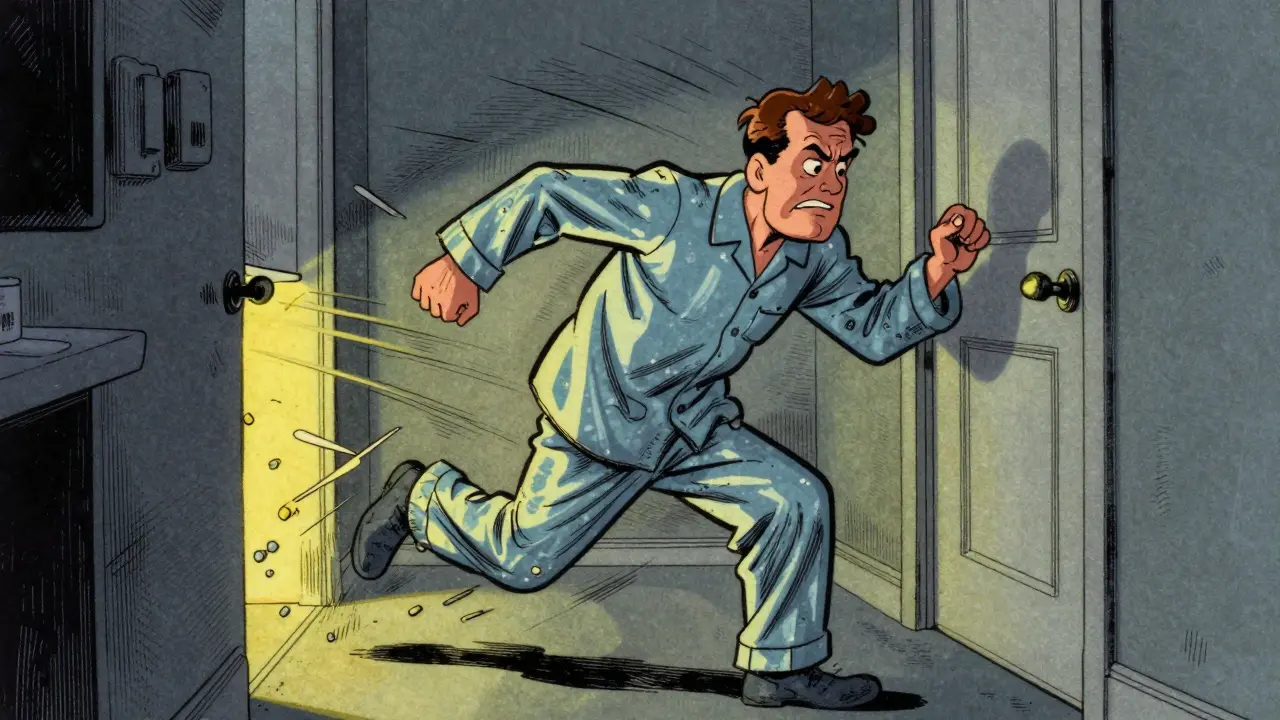
Have you ever found yourself making a beeline for the bathroom shortly after taking your morning pill? You might blame aging or drinking too much coffee, but the real culprit could be sitting in your medicine cabinet. It is a frustrating reality that many common prescriptions come with a hidden cost: bladder trouble. Frequent urination and sudden urges to go are not just annoying; they disrupt sleep, cause anxiety about finding restrooms, and can significantly lower your quality of life.
You are not imagining this connection. According to the American Urological Association, lower urinary tract symptoms (LUTS) affect roughly one-third of adults over age 40. Even more telling, a study published in BMC Geriatrics suggests that medication-induced cases account for an estimated 15-20% of these instances. This means if you are suddenly visiting the toilet more often, especially if it started after beginning a new drug, your medication list deserves a closer look.
Can medications really cause frequent urination?
Yes, numerous commonly prescribed medications impact bladder function through various physiological mechanisms, including direct effects on detrusor muscle contraction, urethral sphincter tone, renal fluid handling, or neural signaling pathways.
The Water Pills: Diuretics and Immediate Frequency
When people think of drugs that make you pee, Diuretics are medications commonly known as water pills that increase urine production by the kidneys. They are the most frequently implicated class for causing frequent urination. If you take hydrochlorothiazide, furosemide (Lasix), or spironolactone (Aldactone) for high blood pressure or heart failure, this effect is actually part of how the drug works.
These medications tell your kidneys to dump excess sodium and water. Loop diuretics like furosemide inhibit sodium reabsorption in the loop of Henle, while thiazides affect the distal convoluted tubule. The result? Your body produces significantly more urine. A 2023 clinical review by BuzzRx notes that diuretics can increase urine volume by 20-50% within just two hours of taking them. This rapid influx stretches the bladder wall, triggering those urgent "I need to go now" sensations.
The data backs this up heavily. The Cleveland Clinic reports that approximately 65% of patients on diuretics experience increased daytime frequency, and 40% suffer from nocturia-waking up at night to urinate. For some, the severity is profound. A 2021 study in the Journal of Urology found that 28% of patients on high-dose furosemide (80mg daily) required adult incontinence products due to urgency episodes, compared to only 8% on lower doses. If you are feeling like you are living in a race against time, your dosage or timing might be the issue.
Blood Pressure Meds and the Nighttime Wake-Up Call
If diuretics are the obvious offenders, Calcium channel blockers are antihypertensive drugs that can impair the bladder's ability to contract effectively. These include popular names like amlodipine, nifedipine, diltiazem, and verapamil. While they don't necessarily make you produce *more* urine, they change how your bladder handles what is there.
These drugs work by relaxing blood vessels, but they also interfere with calcium-dependent smooth muscle contraction elsewhere, including your bladder. A 2019 meta-analysis in the Journal of Hypertension revealed that patients taking nifedipine experienced 1.8 additional nighttime voids per night compared to placebo. The symptom onset usually happens within 2-4 weeks of starting treatment. Verapamil shows the strongest association here, with a 42% increased risk of nocturia according to research cited in BMC Geriatrics. If you find yourself waking up multiple times specifically to pee, rather than just going once, this class of medication might be the reason.

Mental Health Medications and Bladder Control
It is less discussed, but psychotropic medications play a significant role in bladder dysfunction. Antidepressants, mood stabilizers, and antipsychotics all have unique ways of messing with your urinary system.
- Antidepressants: Drugs like venlafaxine (Effexor), escitalopram (Lexapro), and paroxetine (Paxil) can worsen overactive bladder symptoms. A 2017 study showed that 22% of patients experienced exacerbated symptoms. Paroxetine, in particular, has anticholinergic properties that can relax the bladder muscle too much, leading to retention issues.
- Lithium: This mood stabilizer presents a unique challenge. About 1% of long-term users develop nephrogenic diabetes insipidus, a condition where the kidneys cannot concentrate urine properly. This leads to polyuria-producing excessive amounts of urine, often exceeding 3 liters daily. A 2018 study found that 9% of patients discontinued lithium specifically due to these urinary complications.
- Antipsychotics: Medications like clozapine, risperidone, and olanzapine cause urinary symptoms in 12-18% of users. Like paroxetine, they often do this through anticholinergic effects, which can impair the bladder's ability to empty completely, leading to overflow incontinence.
Other Surprising Culprits
It is not just heart and mental health drugs. Other common medications have documented urological side effects that catch people off guard.
Antihistamines like diphenhydramine (Benadryl) are meant to stop runny noses, but they also relax the bladder detrusor muscle. Harvard Health reports this happens in 5-7% of users. While this sounds like it would help hold urine, it often causes urinary retention. When the bladder gets too full because it won't squeeze out properly, it leaks-known as overflow incontinence. It is a paradoxical effect where trying to dry up fluids leads to accidental leakage.
ACE Inhibitors and Angiotensin Receptor Blockers (ARBs), used for blood pressure, can cause a persistent dry cough. This coughing increases abdominal pressure, leading to stress incontinence. Captopril shows the highest incidence of this, affecting 15% of users according to Cleveland Clinic data. So, the medication isn't directly attacking the bladder, but the side effect of the cough is breaking your bladder control.
Even Alpha-blockers like tamsulosin (Flomax), which are prescribed to *help* men with prostate issues void better, have their own quirks. While they improve flow, they cause retrograde ejaculation in 25-30% of male patients. This is a sexual side effect, but it highlights how deeply interconnected these systems are.
How to Manage Medication-Induced Bladder Issues
Finding out your meds are causing bladder trouble doesn't mean you have to stop taking them-especially if they manage serious conditions like hypertension or bipolar disorder. Instead, you can adjust how and when you take them.
| Medication Class | Primary Issue | Recommended Strategy |
|---|---|---|
| Diuretics (e.g., Furosemide) | High urine volume, urgency | Take before 2 PM to reduce nighttime trips by up to 60% |
| Calcium Channel Blockers | Nocturia (nighttime urination) | Discuss switching classes with doctor; limit evening fluids |
| Anticholinergics (e.g., Benadryl) | Retention/Overflow | Use lowest effective dose; consider non-sedating alternatives |
| Lithium | Polyuria (Excessive volume) | Monitor kidney function; stay hydrated but avoid over-drinking |
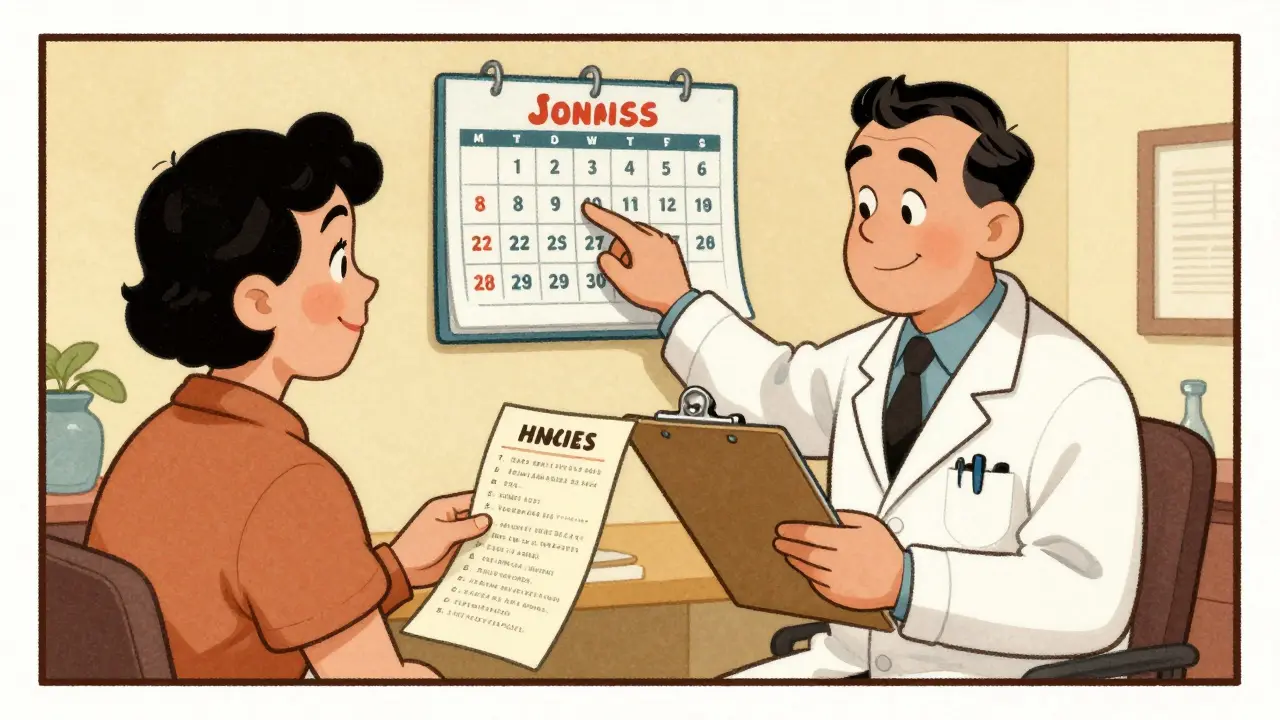
Timing is everything. BuzzRx advises patients to take diuretics before 2 PM. This simple shift allows the peak urine production to happen during the day, reducing nighttime urination episodes by 60% based on 2022 clinical data. If you are on twice-daily dosing, ask your doctor if splitting the dose differently helps.
Retrain your bladder. The Cleveland Clinic recommends bladder retraining techniques. This involves scheduled voiding-going to the bathroom at set intervals regardless of urge-and gradually extending the time between visits. Studies show this is 70% effective in managing medication-induced urgency after 6-8 weeks of consistent practice.
Strengthen the floor. Combining timed voiding with pelvic floor exercises reduces incontinence episodes by 55% compared to medication adjustment alone, according to Alliance Urology. Kegel exercises strengthen the muscles that control urine flow, giving you more power to hold it when the urgency hits.
When to See a Doctor
You should not just accept bladder trouble as a normal part of aging or medication. The International Continence Society’s 2022 guidelines recommend that healthcare providers conduct medication reviews for all patients reporting new-onset urinary symptoms. Pay special attention to any meds started within the previous 4-6 weeks.
The Mayo Clinic outlines a clear 4-step process for dealing with this: 1. Confirm that your symptom onset correlates with when you started the medication. 2. Rule out other causes like infections through a simple urinalysis. 3. Implement timing adjustments and behavioral changes first. 4. If symptoms persist beyond 4 weeks, discuss dose reduction or alternative agents with your provider.
Many patients feel frustrated by the lack of awareness from providers. A 2023 discussion on Reddit’s r/Urology showed that 42% of participants had to advocate for themselves before their doctors considered medication adjustments. Don’t be afraid to speak up. Bring a list of all your meds, supplements, and even over-the-counter drugs to your appointment. Ask specifically: "Could this be causing my urinary urgency?"
How long does it take for medication side effects to appear?
Symptom onset typically occurs within 2-8 weeks of starting a new medication. For example, calcium channel blockers often cause nocturia within 2-4 weeks, while diuretic effects are immediate upon ingestion.
Can I stop taking my medication if it causes frequent urination?
Never stop prescribed medication without consulting your doctor. Abruptly stopping blood pressure or mental health meds can be dangerous. Instead, discuss timing adjustments, dose reductions, or alternative medications with lower urological risks.
What is the difference between frequency and urgency?
Frequency refers to how often you urinate (too many times), while urgency is the sudden, compelling desire to pass urine that is difficult to defer. Some medications cause both, such as diuretics increasing volume (frequency) and stretching the bladder (urgency).
Do antihistamines cause retention or frequency?
Antihistamines like Benadryl primarily cause urinary retention by relaxing the bladder muscle. However, this retention can lead to overflow incontinence, where small amounts of urine leak out because the bladder is too full to hold it back properly.
Is there genetic susceptibility to these side effects?
Emerging research funded by the NIDDK suggests that polymorphisms in the CHRM3 gene may increase the risk of anticholinergic medication effects by 3.2-fold, indicating that genetics play a role in who experiences these bladder side effects.





15 Comments
It is truly lamentable how the masses remain blissfully ignorant of the pharmacological intricacies that govern their own physiological responses, particularly when it comes to the rather obvious connection between diuretic usage and nocturnal disruptions. One must question whether the average individual possesses the intellectual capacity to understand that hydrochlorothiazide is not merely a 'water pill' but a sophisticated agent of renal manipulation, and failing to adjust its administration timing reflects a profound lack of self-awareness and medical literacy.
they dont want you to know this stuff man big pharma is hiding the truth about lithium causing diabetes insipidus on purpose they just want your money while your kidneys fail silently in the night no one talks about the government funded studies being fake data manipulated by corporate interests who control the narrative around calcium channel blockers and why do you think they push these drugs so hard without warning you about the bladder issues its all part of the plan to weaken the population through medication side effects that are never disclosed properly
The article presents a rather pedestrian overview of urological pharmacodynamics, neglecting the nuanced interplay between anticholinergic burden and detrusor muscle compliance. While it correctly identifies paroxetine’s role in urinary retention, it fails to elucidate the broader implications of polypharmacy in geriatric populations, where the cumulative anticholinergic effect can lead to catastrophic overflow incontinence. A more sophisticated discourse would examine the CHRM3 gene polymorphisms mentioned in passing, as they offer a genetic basis for differential susceptibility to these adverse events.
Oh honey, I totally get this! My neighbor Sarah was having such a hard time with her blood pressure meds making her pee all night long, and we just had to sit down and talk about her whole routine together because sometimes doctors don’t listen enough. It’s really important for us Americans to take care of our health proactively and not just let the system dictate everything, right? We should be sharing stories like this to help each other out instead of feeling ashamed about bathroom habits!
Great info!! 💪 Remember: Timing IS key! Take diuretics BEFORE 2 PM 🕑 to cut nighttime trips by 60%! Also, Kegels + Bladder Retraining = 55% fewer leaks! Don’t suffer in silence-talk to your doc ASAP! You’ve got this! ✨ #HealthHacks #BladderCare
It is morally reprehensible that healthcare providers continue to prescribe medications with known urological side effects without adequately informing patients of the potential consequences, thereby shifting the burden of management onto individuals who are already struggling with chronic conditions. This systemic failure reflects a deeper ethical lapse in medical practice, where profit motives often overshadow patient well-being, leading to unnecessary suffering and decreased quality of life for those affected by medication-induced bladder dysfunction.
its so obvious that people r too stupid to realize their meds r messing them up lol i mean cmon if u r waking up 4 times a night to pee maybe stop taking benadryl before bed or ask ur doctor if u need lithium at all like seriously the ignorance is astounding and its not even hard to figure out just read the labels or google it but no everyone wants to play victim instead of taking responsibility for their own health choices which is why society keeps declining
One might ponder the existential implications of bodily autonomy when subjected to pharmaceutical interventions that disrupt fundamental physiological rhythms. The involuntary nature of nocturia induced by calcium channel blockers serves as a metaphor for the loss of control inherent in modern medical dependency, raising questions about whether true wellness can be achieved through chemical alteration alone or if such measures merely mask deeper disconnections between mind and body.
I’ve been trying to track my own symptoms since starting nifedipine, and it’s interesting how closely the onset matches the 2-4 week window mentioned here. Has anyone else noticed differences in severity based on dosage? I’m curious if there’s a threshold where the benefits outweigh the nocturia, or if switching classes is always better. Just looking for data points from others’ experiences.
Let me break this down for you, because clearly most readers aren’t grasping the clinical significance here. Diuretics increase urine volume via inhibition of sodium reabsorption in the loop of Henle, which directly correlates with detrusor overactivity due to bladder wall stretching. Meanwhile, anticholinergics like diphenhydramine cause urinary retention by relaxing the detrusor muscle, leading to overflow incontinence-a paradoxical outcome that laypeople consistently misunderstand. If you’re experiencing LUTS, consult a specialist; self-diagnosis is inadequate.
honestly this is super helpful imma try taking my water pills earlier today see if it helps with the night trips also gonna look into those kegel exercises bc yeah i definitely need some extra support down there lol thanks for sharing this stuff it makes me feel less alone in dealing with these weird med side effects
It is imperative that individuals approach medication adjustments with caution and under professional guidance. Abrupt discontinuation of antihypertensive or psychotropic agents may precipitate severe complications, including rebound hypertension or manic episodes. Therefore, any modifications to dosing schedules or therapeutic regimens should be conducted in consultation with a qualified healthcare provider to ensure optimal safety and efficacy.
The pervasive normalization of medication-induced urinary dysfunction within contemporary society reflects a troubling complacency toward pharmaceutical side effects. Individuals frequently dismiss symptoms such as nocturia and urgency as inevitable consequences of aging, thereby absolving prescribers of accountability for inadequate patient education. This collective indifference perpetuates a cycle of preventable morbidity, underscoring the urgent need for enhanced awareness and proactive management strategies.
hey guys just wanted to say thx for this post im on flomax and yeah retrograde ejaculation is real lol but at least i can pee better now anyway hope everyone finds what works for em dont stress too much about it just talk to yr doc and make small changes like timing ur meds differently
Pretty straightforward stuff here. If your BP meds are keeping you up at night, switch them to morning doses. Simple as that. No need to overcomplicate it unless you're on something tricky like lithium, then yeah, talk to your doc. But for most folks, adjusting timing fixes 80% of the problem.
Write a comment