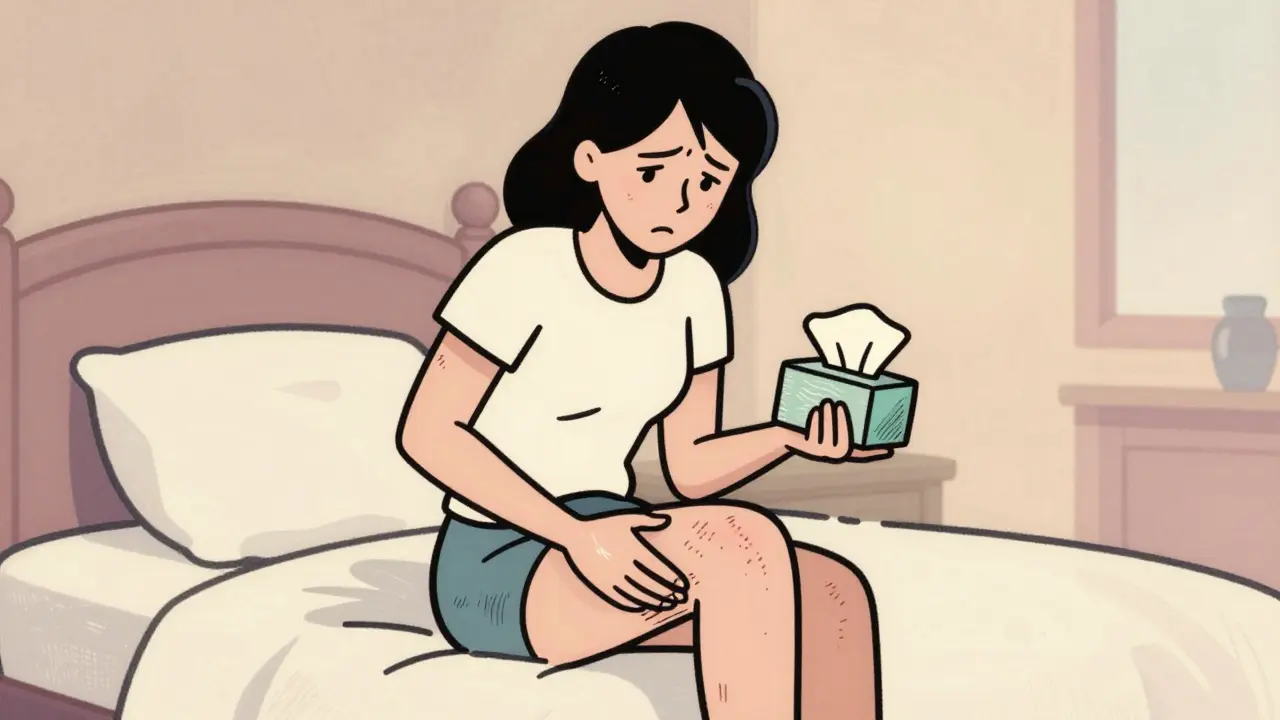
It starts with an itch that won’t quit. Then comes the burning, the discomfort during intimacy, and that distinct, thick discharge that feels completely out of place. For millions of women, this is the frustrating reality of a yeast infection, clinically known as vulvovaginal candidiasis (VVC). It is not just a minor annoyance; it is a disruption of your body’s natural balance that demands attention. The good news? If you have dealt with this before and know exactly what you are dealing with, you likely do not need to wait for a doctor’s appointment. Over-the-counter (OTC) options are powerful, effective, and accessible. But there is a catch: using them incorrectly or misdiagnosing the problem can make things worse. This guide cuts through the noise to help you identify true yeast infection symptoms and choose the right OTC treatment without wasting time or money.
What Is Candida Vaginitis and Why Does It Happen?
To treat a yeast infection effectively, you first need to understand what it actually is. A yeast infection is caused by the overgrowth of fungi from the Candida genus. Specifically, Candida albicans accounts for 80-90% of all cases. Here is the twist: most women already carry small amounts of Candida in their vaginas without any issues. It lives there peacefully alongside beneficial bacteria, primarily Lactobacillus species, which keep the fungal population in check.
The trouble starts when that delicate microbial equilibrium tips. When the protective Lactobacillus bacteria decrease, Candida seizes the opportunity to multiply rapidly. This overgrowth triggers an inflammatory response in the vaginal and vulvar tissues, leading to the classic symptoms we recognize. According to data from the Centers for Disease Control and Prevention (CDC), approximately 75% of women of reproductive age will experience at least one episode in their lifetime. About 40-45% will face recurrent infections, defined as four or more episodes in a single year.
Several specific factors can trigger this imbalance. Recent antibiotic use is a major culprit, contributing to 30-50% of cases because antibiotics kill off the good bacteria along with the bad. Other significant risk factors include:
- Pregnancy: Elevated estrogen levels affect 20-30% of pregnant women, creating a favorable environment for yeast growth.
- Uncontrolled Diabetes: High blood sugar feeds yeast. Women with an HbA1c greater than 7% face a 2.3-fold increased risk.
- Immunosuppression: Conditions like HIV or medications that suppress the immune system reduce the body’s ability to control fungal growth.
- Hormonal Changes: Postmenopausal women on hormone therapy also see elevated rates, affecting 15-20% of this demographic.
Spotting the Signs: Yeast Infection Symptoms vs. Other Conditions
One of the biggest pitfalls in self-treatment is misdiagnosis. Many conditions cause vaginal irritation, but only a few present with the specific hallmark signs of VVC. Relying on guesswork leads to frustration; relying on specific criteria leads to clarity. The CDC diagnostic criteria highlight a distinct cluster of symptoms that appear together in typical cases.
The most universal symptom is vulvar pruritus, or intense itching, reported in 97% of confirmed cases. This is rarely mild; it is often described as relentless and distracting. Alongside itching, about 77% of patients report vaginal soreness or tenderness. You might notice visible changes too. Physical examinations typically reveal vulvar erythema (redness) in 85% of cases and edema (swelling) in 60%. In severe instances, the skin may become excoriated, meaning it develops small tears or fissures from scratching.
Discharge is another key identifier. Unlike the thin, watery, or grayish discharge associated with bacterial vaginosis (BV), yeast infection discharge is typically thick, white, and clumpy. Patients often describe it as resembling cottage cheese. While this "curd-like" appearance is classic, the discharge can occasionally appear yellowish or pinkish-green if there is significant inflammation. Importantly, odor is usually absent or mild in yeast infections, whereas BV often produces a strong, fishy smell. If you have a foul odor, it is likely not a yeast infection.
| Condition | Primary Symptom | Discharge Appearance | Odor | Common Cause |
|---|---|---|---|---|
| Vulvovaginal Candidiasis (Yeast) | Intense Itching (Pruritus) | Thick, White, Clumpy (Cottage Cheese) | None or Mild | Candida Overgrowth |
| Bacterial Vaginosis (BV) | Irritation/Burning | Thin, Gray/White, Watery | Fishy (Especially after sex) | Bacterial Imbalance |
| Trichomoniasis | Burning/Itching | Frothy, Yellow-Green | Foul/Fishy | Parasitic Infection (STI) |
If your symptoms do not match this profile-specifically if you have heavy bleeding, fever, or pelvic pain-do not self-treat. These are red flags for other conditions like pelvic inflammatory disease (PID) or sexually transmitted infections (STIs) that require prescription medication.

Navigating Over-the-Counter Treatment Options
For uncomplicated yeast infections, OTC antifungal medications are highly effective. The CDC’s 2021 STI Treatment Guidelines confirm that short-course topical formulations cure 80-90% of uncomplicated cases. The market offers three primary active ingredients: clotrimazole, miconazole, and tioconazole. All belong to the azole antifungal class, which works by disrupting the fungal cell membrane, causing the yeast cells to leak and die.
Your choice largely depends on how many days you are willing to commit to treatment and your preference for application method. There is no statistically significant difference in overall cure rates between single-dose oral therapies (prescription only) and multi-day topical regimens for uncomplicated cases; both hover around 85%. However, topicals remain the standard for OTC access.
| Active Ingredient | Formulation | Dosage Regimen | Efficacy Rate | Best For |
|---|---|---|---|---|
| Clotrimazole | 1% Cream | Twice daily for 7-14 days | ~90% | Mild cases, external itching relief |
| Clotrimazole | 2% Cream / 100mg Tablet | Once daily for 3 days | ~85% | Convenience, moderate symptoms |
| Miconazole | 2% Cream / 100mg Suppository | Once daily for 7 days | ~85% | Consistent dosing, widely available |
| Tioconazole | 6.5% Ointment | Single dose | ~80% | Maximum convenience, severe initial symptoms |
User experiences provide practical insights into these choices. An analysis of thousands of reviews shows that while creams offer excellent relief for external itching (the vulva), they can be messy. Approximately 65% of users prefer suppositories or tablets for internal application because they are less cumbersome, even though some report slightly lower satisfaction scores due to insertion difficulties. Tioconazole’s single-dose option is popular for its simplicity, but some women find the large volume of ointment overwhelming. Ultimately, the "best" product is the one you will use correctly and complete fully.
How to Use OTC Medications Correctly
Buying the right cream is only half the battle. Improper application contributes to 35% of treatment failures. To ensure the medication works, follow these evidence-based steps derived from clinical adherence studies.
- Timing Matters: Apply the medication at bedtime. A Johns Hopkins study found that 85% of successful treatments involved nighttime application. This allows gravity to help retain the medication inside the vagina while you sleep, preventing leakage and ensuring prolonged contact with the infected tissue.
- Complete the Full Course: This is the most critical rule. Even if the itching stops after day two, you must finish the entire pack. Stopping early leaves surviving yeast cells alive, which can mutate and cause a resistant recurrence. Only 65% of users adhere to this, yet it is the primary driver of success.
- Proper Insertion: For suppositories or tablets, lie on your back with knees bent. Insert the applicator or tablet gently into the vagina, aiming toward the lower back. Do not push too hard. A University of Michigan study revealed that 40% of first-time users apply products incorrectly, significantly reducing efficacy.
- Avoid Intercourse: Sexual activity during treatment can reduce efficacy by 30%. Friction can irritate inflamed tissue further, and condoms may degrade due to the oil-based nature of some antifungal creams, leading to breakage and reduced protection against STIs.
- Use Protective Liners: If using a cream, expect some leakage. Use a panty liner to protect your underwear, but avoid tampons during treatment as they can absorb the medication and reduce its effectiveness.
Symptom relief typically begins within 24 to 72 hours. If you do not feel improvement by day three, or if symptoms worsen, stop the treatment and consult a healthcare provider. Persistent symptoms often indicate a non-albicans Candida species or a different condition entirely.

When Self-Treatment Fails: Recognizing Complicated Cases
Not all yeast infections are created equal. The CDC distinguishes between "uncomplicated" and "complicated" VVC. Uncomplicated cases are sporadic, mild-to-moderate, and likely caused by C. albicans. Complicated cases fall into several categories that render standard OTC treatments ineffective or unsafe.
You should seek medical evaluation rather than relying on OTC options if you fit any of the following profiles:
- First-Time Symptoms: Misdiagnosis occurs in 50-70% of self-treated first-time cases. Without a prior confirmed diagnosis, you cannot be sure it is yeast. Bacterial vaginosis and trichomoniasis require antibiotics, not antifungals.
- Pregnancy: Pregnant women should never take oral fluconazole (prescription) due to potential risks to the fetus. Topical azoles are generally considered safe, but a doctor should confirm the diagnosis and recommend a longer course (typically 7 days) to prevent recurrence.
- Recurrent Infections: Four or more episodes per year classify as Recurrent Vulvovaginal Candidiasis (RVVC). OTC treatments will not solve the underlying issue. RVVC requires a maintenance regimen, often involving weekly fluconazole for six months, prescribed by a specialist.
- Non-Albicans Species: About 5-10% of infections are caused by species like Candida glabrata. These strains are naturally resistant to standard azoles. Cure rates for OTC treatments drop to 50-60% for these cases. Newer resistance patterns show 8% of C. glabrata isolates now resist clotrimazole, up from 3% in 2018.
- Severe Symptoms: Extensive redness, swelling, cracking, or sores indicate a severe infection that may require a longer 7-14 day course or prescription-strength therapy.
- Immunocompromised Status: If you have diabetes, HIV, or are on immunosuppressive drugs, your body cannot fight the infection alone. Professional management is essential to prevent systemic spread.
Emerging antifungal resistance is a growing concern. The World Health Organization’s 2024 report warns that resistance patterns may necessitate prescription-only status for certain azoles in the near future. Using OTC medications repeatedly without success accelerates this resistance. If OTC fails once, do not try again immediately. See a doctor.
Prevention and Long-Term Management
While you cannot eliminate Candida from your body entirely, you can manage the environment to prevent overgrowth. Prevention focuses on maintaining the acidic pH and bacterial balance of the vagina.
- Avoid Douching: Douching disrupts the natural flora, washing away protective Lactobacillus bacteria. It is strongly linked to increased rates of BV and yeast infections.
- Wear Breathable Clothing: Cotton underwear allows air circulation, reducing moisture. Tight synthetic fabrics trap heat and sweat, creating a breeding ground for yeast. Seasonal data shows a 25% higher incidence of yeast infections during summer months, likely due to increased sweating.
- Manage Blood Sugar: For diabetics, keeping HbA1c levels under control is the most effective preventive measure. High glucose in vaginal secretions directly fuels yeast growth.
- Consider Probiotics: While evidence is mixed, some studies suggest that oral or vaginal probiotics containing Lactobacillus strains may help restore microbial balance after antibiotic use. Look for strains specifically studied for vaginal health, such as Lactobacillus rhamnosus GR-1 and Lactobacillus reuteri RC-14.
- Change Out of Wet Clothes: After swimming or exercising, change out of wet swimsuits or gym clothes promptly. Prolonged dampness promotes fungal growth.
Remember, yeast infections are common, treatable, and not a reflection of poor hygiene. They are a biological imbalance. By understanding the symptoms, choosing the right OTC tool, and applying it correctly, you can resolve the issue quickly. But always listen to your body. If the standard approach doesn’t work, professional guidance is your next best step.
How long does it take for OTC yeast infection medication to work?
Most women experience significant symptom relief within 24 to 72 hours of starting treatment. However, the full course of medication (3 to 7 days depending on the product) must be completed to eradicate the infection completely. If symptoms persist beyond 72 hours or worsen, discontinue use and consult a healthcare provider.
Can I use OTC yeast infection treatment if I am pregnant?
Topical azole creams and suppositories are generally considered safe during pregnancy, but you should always consult your obstetrician first. Oral fluconazole (prescription) is not recommended during pregnancy due to potential risks. Doctors often prescribe a 7-day topical course for pregnant patients to ensure thorough treatment.
What is the difference between Monistat and Lotrimin?
Monistat typically contains miconazole, while Lotrimin usually contains clotrimazole. Both are azole antifungals with similar efficacy rates (around 85-90% for uncomplicated cases). The choice often comes down to personal preference for the formulation (cream vs. suppository) and dosage duration (1-day, 3-day, or 7-day regimens).
Why did my OTC yeast infection treatment fail?
Treatment failure can occur for several reasons: incorrect diagnosis (it might be bacterial vaginosis or an STI), incomplete treatment course (stopping early when symptoms improve), improper application technique, or infection with a non-albicans Candida species that is resistant to standard azoles. If OTC treatment fails, see a doctor for proper testing.
Are yeast infections contagious?
Yeast infections are not classified as sexually transmitted infections (STIs). However, sexual intercourse can sometimes transfer yeast between partners, potentially causing symptoms in a male partner (balanitis). It is advisable to avoid sex until the infection clears. Using condoms can help prevent transmission, though latex condoms may degrade with oil-based antifungal creams.
How do I prevent recurrent yeast infections?
Prevention strategies include wearing breathable cotton underwear, avoiding douching, changing out of wet clothing promptly, managing blood sugar levels if diabetic, and considering probiotics containing Lactobacillus strains. If you experience four or more infections per year, consult a doctor for a maintenance treatment plan, as this indicates Recurrent Vulvovaginal Candidiasis (RVVC).



7 Comments
i mean honestly just use the cream and stop stressing about it too much. its super common and nobody really cares unless you make it a big deal. just keep it simple and dont overthink the whole thing because life goes on and you gotta move forward. maybe try cotton underwear too since that helps a lot with airflow and keeps things dry. no need to get all philosophical about yeast infections when a quick fix works fine for most people. just relax and let your body heal itself after you apply the meds correctly.
honestly this post was so helpful i felt like i finally understood whats going on with my body instead of just guessing. its scary how many times ive tried random stuff before reading something this clear and straightforward. i never knew that stopping early could actually make it worse by making the yeast resistant which sounds terrifying but makes sense now. thanks for sharing all these details because it really takes the mystery out of something that feels so embarrassing to talk about. i think more people would feel less alone if they had access to this kind of info earlier in their lives.
It is crucial to emphasize that the distinction between uncomplicated and complicated vulvovaginal candidiasis is not merely academic but clinically significant for patient outcomes. Many individuals fail to recognize that recurrent episodes may indicate an underlying pathology such as uncontrolled diabetes or immunosuppression, which requires comprehensive medical evaluation rather than symptomatic treatment alone. Furthermore, the emerging resistance patterns among non-albicans species necessitate a shift in clinical practice towards diagnostic confirmation prior to initiating therapy, especially in cases where standard azoles have failed previously. Healthcare providers must remain vigilant in educating patients about the limitations of over-the-counter remedies and the importance of adhering to prescribed maintenance regimens for those suffering from recurrent vulvovaginal candidiasis. The integration of probiotic therapies should be approached with caution, as current evidence remains inconclusive regarding their efficacy in preventing recurrence, although certain strains show promise in restoring vaginal flora balance following antibiotic use. Ultimately, a multidisciplinary approach involving gynecological expertise, endocrinological assessment when indicated, and patient education is essential for managing this prevalent condition effectively and reducing the burden of disease on affected individuals.
The phenomenon of candidal overgrowth serves as a potent metaphor for the human condition wherein internal harmony is perpetually threatened by external disruptions and internal imbalances. Just as the vagina maintains a delicate equilibrium between beneficial lactobacilli and opportunistic candida, so too does the psyche strive for balance amidst the chaos of modern existence. The itching and discomfort described are not merely physical sensations but manifestations of a deeper existential dissonance that plagues us all. To treat the infection is to acknowledge the fragility of our natural state and the constant vigilance required to maintain it against encroaching disorder. Thus, the application of antifungal agents becomes a ritualistic act of restoration, symbolizing our desire to return to a primordial state of wholeness and peace. In this light, the mundane task of applying cream transcends its medical utility to become a philosophical exercise in self-care and resilience against the inevitable entropy of life.
I've always wondered if the type of soap used during showers plays a role in triggering these imbalances or if it's strictly internal factors like antibiotics and hormones. It seems logical that harsh chemicals could strip away protective barriers just like antibiotics kill off good bacteria but I haven't seen much discussion on that specific angle. Does anyone know if pH-balanced cleansers make a noticeable difference in prevention compared to regular bar soaps?
You are clearly operating under the delusion that topical applications are sufficient for resolving complex fungal pathologies without addressing the systemic immune deficiencies that predispose individuals to such infections. The data presented here is rudimentary at best and fails to account for the nuanced interactions between host immunity and Candida biofilm formation which significantly impede drug penetration and efficacy. Moreover, the suggestion that probiotics might help is laughable given the lack of robust clinical trials demonstrating sustained colonization of exogenous Lactobacillus strains in the vaginal microbiome. Patients who rely solely on OTC treatments without undergoing comprehensive metabolic profiling are setting themselves up for chronic recurrence and potential resistance development. It is frankly alarming how little emphasis is placed on the critical importance of identifying non-albicans species which require entirely different therapeutic strategies due to intrinsic resistance mechanisms. Ignoring these facts demonstrates a profound ignorance of current mycological advancements and undermines the integrity of public health education.
Listen to me closely because I am going to say this once and I expect you to absorb every word of wisdom I am imparting upon you today. The fact that you are even considering using these over-the-counter creams without consulting a qualified physician is nothing short of negligence and a disregard for your own health and well-being. You think you can just pop into a pharmacy and grab whatever looks convenient without understanding the intricate biological warfare happening inside your body? That is arrogance and it will come back to haunt you in ways you cannot possibly imagine right now. I have seen too many people suffer from recurrent infections because they were too lazy or too proud to seek proper medical advice and now they are stuck in a cycle of pain and frustration that could have been easily avoided. Stop playing doctor with yourself and go see a real professional who can diagnose the issue accurately and prescribe the correct treatment plan tailored to your specific needs. Your health is not a joke and neither is the severity of untreated fungal infections which can lead to serious complications if left unchecked. Do not waste another minute wasting money on ineffective products when you could be getting the care you deserve from someone who actually knows what they are talking about.
Write a comment