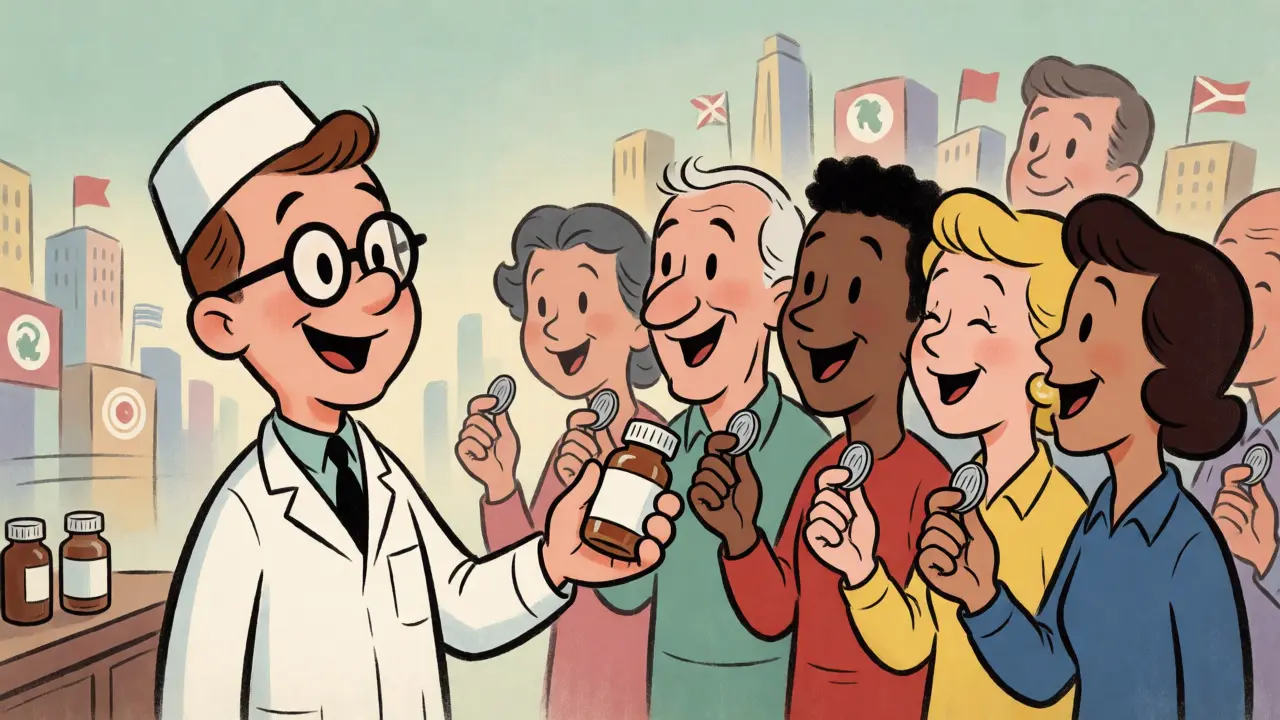
Imagine a world where life-saving cancer treatments or diabetes medications cost pennies instead of hundreds. That is the promise of generic drugs, which are pharmaceutical products containing the same active ingredients as branded drugs but sold at significantly lower prices once patent protections expire. For decades, these medicines have been the backbone of affordable healthcare, saving health systems billions annually. But the landscape is shifting. We are no longer just talking about simple pills for headaches; we are looking at complex biologics, geopolitical supply chain risks, and a massive demographic shift in emerging economies. If you work in pharma, invest in healthcare, or simply care about drug prices, understanding where the global generic market is heading by 2030 is crucial.
The Numbers Game: Growth Amidst Complexity
Let’s look at the hard data. The global generic drug market was valued at approximately $435 billion in 2023. Projections vary, with some analysts predicting it will hit $655 billion by 2028, while others take a more conservative view, estimating around $689 billion by 2034. Why the discrepancy? It comes down to how fast growth slows down in mature markets versus how fast it accelerates in new ones.
In places like North America and Western Europe, growth is steady but slow, hovering around 2-5% annually. Why? Because regulations there are strict, and governments aggressively cut prices. In contrast, "pharmerging" markets-think China, India, Brazil, Russia, and Turkey-are exploding. These regions are expected to grow at nearly 10% per year through 2030. This isn't just about population size; it's about expanding insurance coverage and rising middle classes demanding better healthcare access. By 2025, these emerging markets could contribute an additional $140 billion in medicine spending. That is a massive chunk of change that traditional Western players can’t ignore.
The Rise of Biosimilars: A Technical Leap Forward
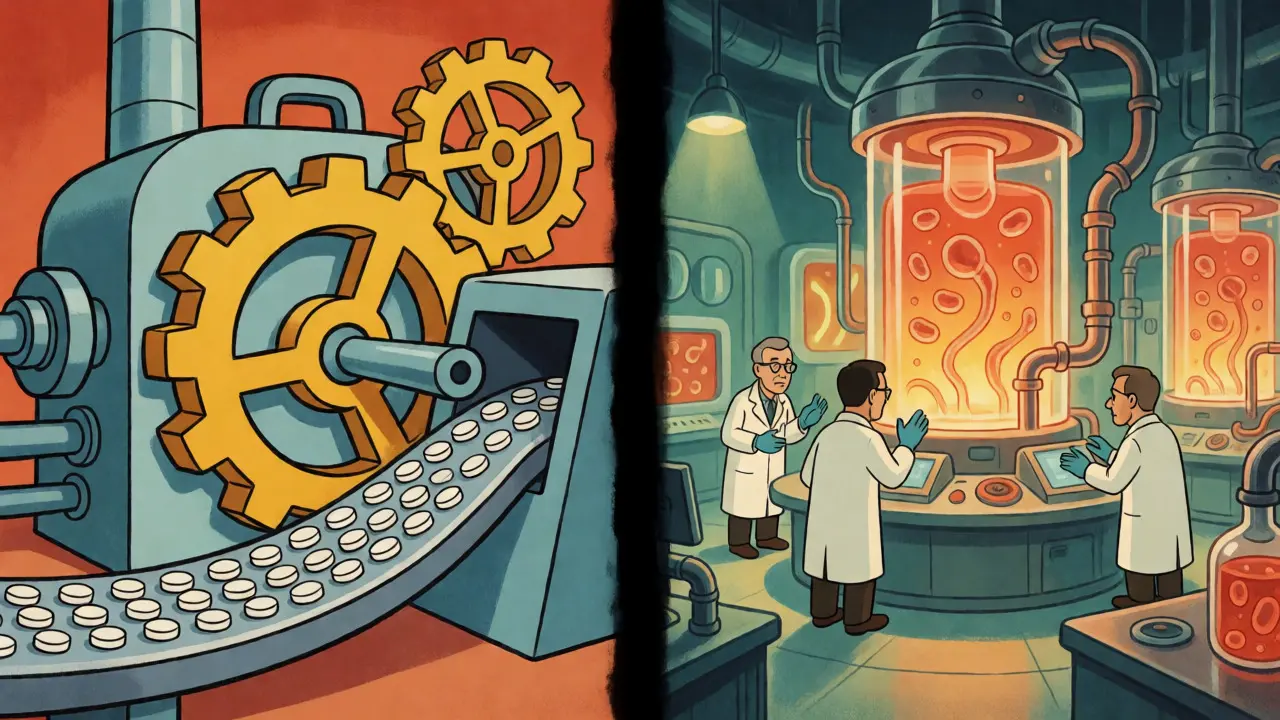
If you think generics are all about copying simple chemical formulas, think again. The biggest trend right now is the shift from small-molecule drugs to biosimilars. These are highly similar versions of biological products, such as monoclonal antibodies used in oncology and autoimmune diseases. Unlike traditional generics, biosimilars aren't easy copies. They require complex manufacturing processes involving living cells. Developing a biosimilar can cost between $100 million and $250 million, compared to just $1-$5 million for a standard generic pill.
This complexity creates a higher barrier to entry. You won't see thousands of small factories churning out biosimilars. Instead, only large, sophisticated manufacturers can compete. But the payoff is worth it. While traditional generics sell for 80-85% less than their brand-name counterparts, biosimilars typically offer a more modest discount of 15-30%. This means better margins for manufacturers and a new revenue stream for the industry. Mordor Intelligence projects that biosimilars will grow at a 12.3% CAGR from 2025 to 2030, making them the fastest-growing segment within the broader generics category.
| Feature | Traditional Generics (Small Molecules) | Biosimilars (Large Molecules) |
|---|---|---|
| Development Cost | $1 - $5 Million | $100 - $250 Million |
| Price Discount vs. Brand | 80 - 85% | 15 - 30% |
| Manufacturing Complexity | Low to Moderate | High (Requires living cell cultures) |
| Market Share Trend | Stable / Slow Decline | Rapid Growth |
Supply Chain Vulnerabilities and Geopolitics
Here is the uncomfortable truth: the global generic supply chain is fragile. A significant portion of the world's Active Pharmaceutical Ingredients (APIs)-the raw materials needed to make drugs-come from just two countries: China and India. China alone manufactures about 40% of global APIs, while India supplies roughly 20% of the world's generic drug volume. This concentration creates risk. Remember the shortages during recent global disruptions? Those were warnings.
Governments are waking up to this vulnerability. The U.S. FDA issued 187 warning letters to foreign generic manufacturers in 2023, mostly due to quality control issues. To mitigate this, many nations are pushing for "onshoring" or regionalizing production. India, for example, allocated $1.34 billion in 2024 through its Production Linked Incentive scheme to boost domestic API manufacturing. Similarly, Saudi Arabia’s Vision 2030 initiative aims to localize pharmaceutical production to reduce reliance on imports. Expect to see more partnerships between multinational giants and local firms in the Middle East and Africa to build robust regional hubs.
Regulatory Harmonization: Breaking Down Barriers
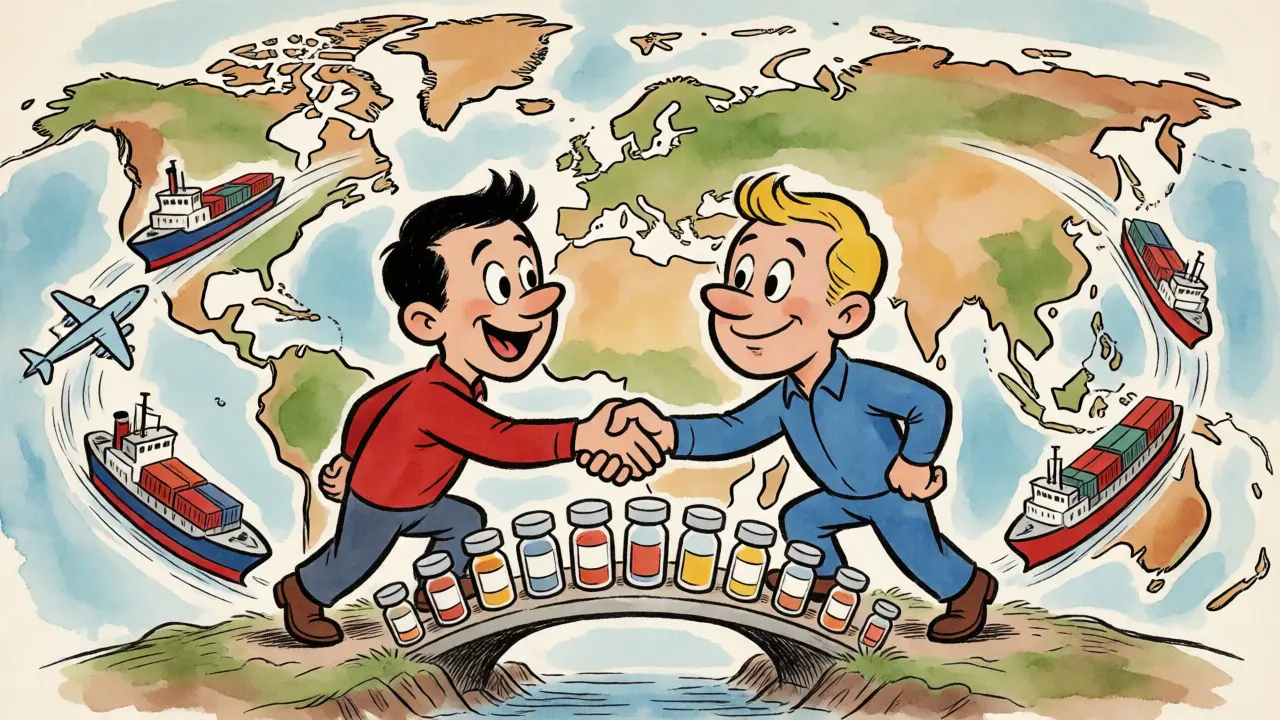
One of the biggest hurdles for generic manufacturers has always been navigating the web of global regulations. With 78 distinct regulatory frameworks worldwide, getting a single drug approved in multiple countries is a logistical nightmare. However, help is on the way. The International Council for Harmonisation of Technical Requirements for Pharmaceuticals for Human Use (ICH) is working to standardize approval processes. In 2024 alone, 15 additional countries joined ICH guidelines.
What does this mean for you? Faster approvals and lower compliance costs. When regulators speak the same technical language, manufacturers can submit unified dossiers rather than custom packages for every country. This harmonization is particularly vital for biosimilars, where scientific evidence requirements are stringent. As more countries adopt these standards, the time-to-market for new generics will shrink, allowing companies to recoup R&D investments faster.
Strategic Shifts: Consolidation and Specialization
The era of the small, niche generic manufacturer is ending. Profit margins for generic makers have dropped from 18% in 2020 to 12% in 2024. To survive, companies are either getting bigger or getting smarter. We are seeing a wave of consolidation, where larger firms acquire smaller ones to gain scale and diversify their portfolios. Dr. Sarah Thompson from KPMG notes that manufacturers must eliminate middlemen and develop innovative service models to stay competitive.
Specialization is another key strategy. Instead of trying to make everything, many firms are focusing on high-value therapeutic areas like oncology, cardiovascular disease, and diabetes. These areas are driven by aging populations and rising chronic disease prevalence, which currently affects 41% of the global population. By focusing on complex formulations or difficult-to-manufacture drugs, companies can avoid the brutal price wars seen in commoditized segments like antibiotics or painkillers.
Key Takeaways for Stakeholders
- Biosimilars are the future: Invest in capabilities for large-molecule manufacturing. Small-molecule generics remain stable but lack growth potential.
- Emerging markets drive growth: Focus expansion strategies on Asia-Pacific, Latin America, and the Middle East, not just Europe and North America.
- Diversify supply chains: Reduce dependence on single-source API suppliers to avoid disruption risks.
- Embrace regulatory alignment: Leverage ICH guidelines to streamline global approvals and reduce administrative overhead.
- Consolidate or specialize: Avoid being stuck in the middle. Either achieve massive scale or dominate a specific niche.
What is the projected size of the global generic drug market by 2030?
Projections vary, but estimates suggest the market will reach between $655 billion and $689 billion by 2028-2034. While overall prescription drug sales may hit $1.7 trillion by 2030, the generic share of that total is expected to slightly decline as specialty drugs and biologics gain prominence.
Why are biosimilars considered different from traditional generics?
Biosimilars are versions of biological drugs made from living organisms, unlike traditional generics which are copies of chemically synthesized small molecules. Biosimilars require much more complex manufacturing, cost significantly more to develop ($100M+), and offer smaller price discounts (15-30%) compared to traditional generics (80-85%).
Which regions are driving the most growth in the generic market?
"Pharmerging" markets are the primary drivers. Countries like China, India, Brazil, Russia, and Turkey are growing at nearly 10% annually. These regions benefit from expanding insurance coverage, government initiatives promoting local production, and rising rates of chronic diseases.
What are the main risks facing global generic manufacturers?
Key risks include supply chain concentration (heavy reliance on APIs from China and India), stringent regulatory scrutiny leading to warning letters, shrinking profit margins due to intense competition, and the high capital expenditure required for biosimilar development.
How do regulatory changes impact the generic market?
Harmonization efforts by groups like the ICH are simplifying global approvals, reducing time-to-market. Conversely, stricter quality controls in developed markets force manufacturers to upgrade facilities, increasing operational costs but improving overall product reliability and consumer trust.