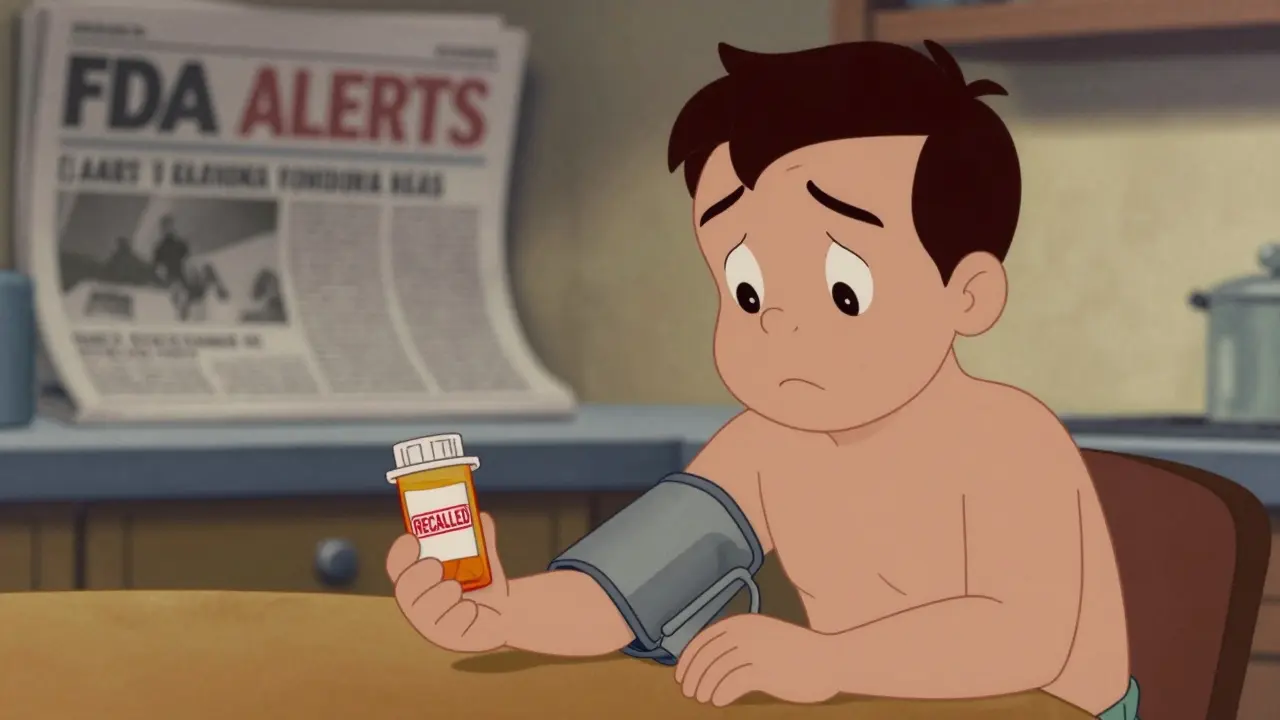
Imagine popping your daily blood pressure pill, only to find out weeks later that the manufacturer pulled it from shelves. You aren't alone. In 2024, the U.S. Food and Drug Administration (FDA) documented 347 drug recalls, with nearly nine out of ten involving significant health risks. For patients relying on generic medications for chronic conditions, these alerts are more than just news headlines-they are urgent calls to action that can mean the difference between a minor inconvenience and a life-threatening event.
Understanding what triggers these actions is crucial. It’s not just about bad luck; it’s about specific failures in manufacturing, labeling, or oversight. Whether you are a patient, a pharmacist, or a healthcare provider, knowing how the system works helps you stay safe when the next alert drops.
How the Recall System Works
The modern drug recall system in the United States isn’t new. It was established by the Federal Food, Drug, and Cosmetic Act of 1938 and significantly strengthened by the Kefauver-Harris Amendments of 1962, which required proof of safety and efficacy for all drugs. Today, the FDA oversees this process, but here is the twist: drug recalls are primarily voluntary actions taken by manufacturers rather than mandates forced by the government.
According to FDA documentation updated in October 2024, approximately 98% of drug recalls are initiated voluntarily by the companies that make them. The FDA can request or recommend a recall, but the manufacturer pulls the plug. This system relies on collaboration, but it also creates a vulnerability: if a company hides a problem, the public stays at risk until the truth comes out.
To help everyone understand the urgency, the FDA classifies recalls into three categories based on severity:
- Class I: There is a reasonable probability that using the product will cause serious adverse health consequences or death. Think mislabeled potassium injections where an overdose could stop your heart.
- Class II: Temporary or medically reversible health effects might occur. This includes issues like contamination that causes nausea but isn’t fatal.
- Class III: Unlikely to cause any adverse health consequences. These are often minor regulatory violations, like slight labeling errors that don’t affect safety.
In 2024, 87% of all recalls were Class I or Class II, meaning most pulled drugs posed real dangers. Knowing your class helps you decide whether to panic or just swap bottles.
What Actually Triggers a Recall?
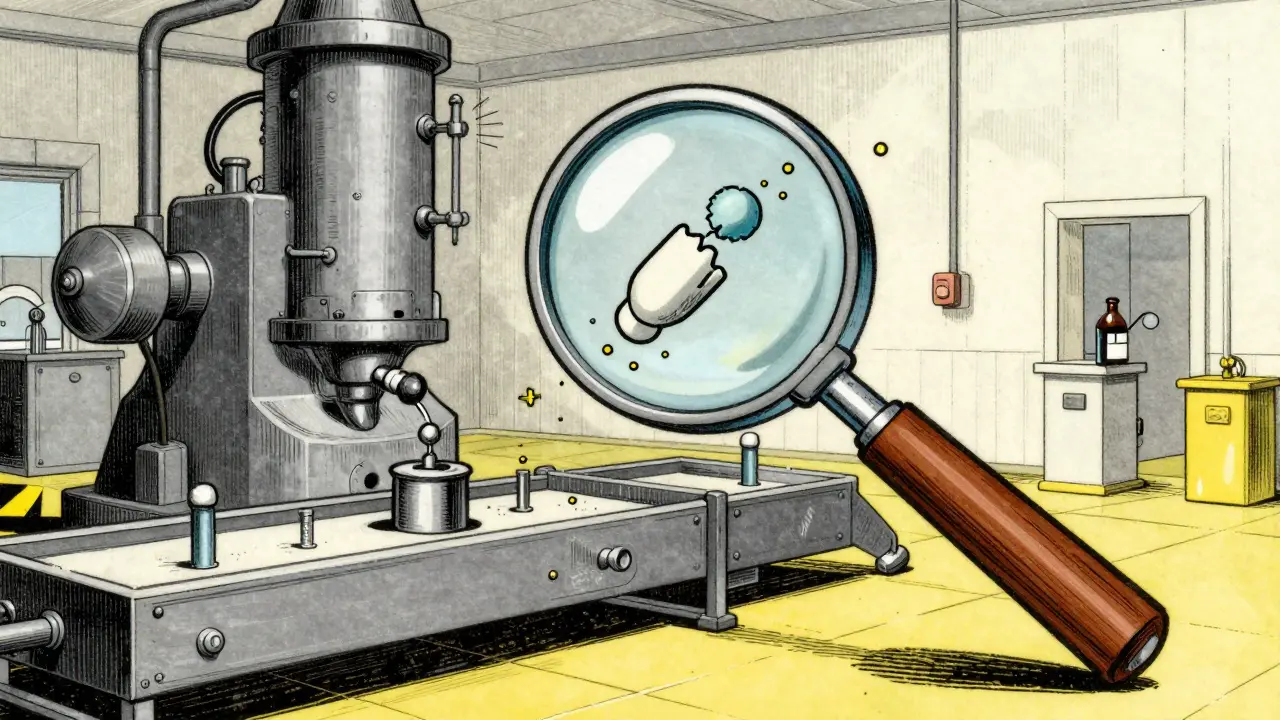
Recalls don’t happen randomly. They are triggered by measurable deviations from strict manufacturing standards known as Current Good Manufacturing Practice (cGMP). Based on data from MedShadow’s analysis (October 2024), here are the top triggers:
- Sterility Lapses (37%): This is the biggest culprit. If sterile products like IV fluids or injections get contaminated with bacteria or fungi, they must be recalled immediately. The FDA requires air quality testing with particle counters measuring contaminants at 0.5-micron levels and microbial limits of 10 CFU/m³ for Grade A environments. Missing this mark means the drug is unsafe.
- Particulate Matter Contamination (12%): Tiny particles found in injectables can block blood vessels or cause inflammation. Even microscopic debris is a major red flag.
- Labeling Errors (9%): Wrong doses, incorrect names, or missing warnings. For example, in July 2024, ICU Medical recalled potassium chloride injections because 20 mEq was labeled as 10 mEq, creating a dangerous overdose risk for patients.
- Active Pharmaceutical Ingredient (API) Potency Issues (7%): The drug doesn’t contain enough active medicine to work, or too much, making it ineffective or toxic.
These aren’t abstract concepts. They are concrete failures in the factory floor. When sterility fails, it’s often due to breakdowns in environmental monitoring. When labels fail, it’s usually a supply chain mix-up.
The Foreign Manufacturing Gap
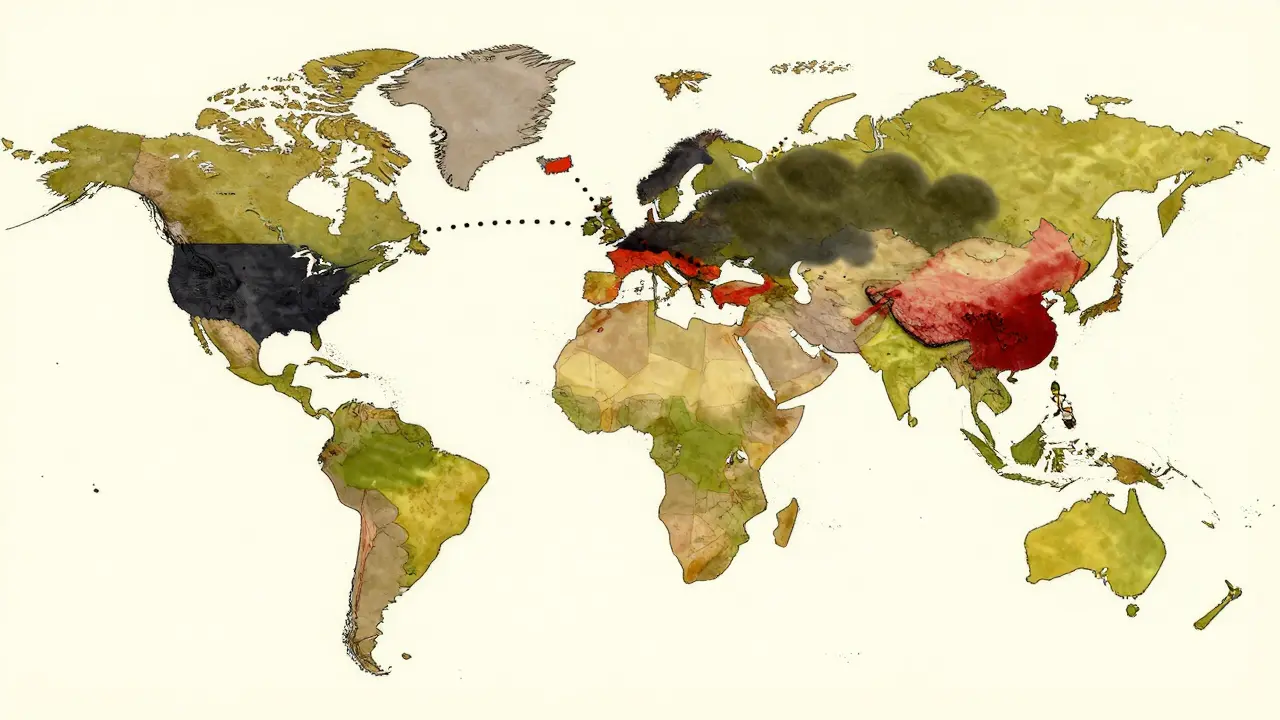
Here is where things get complicated. About 80% of active pharmaceutical ingredients (APIs) for the U.S. market come from India and China, according to the FDA’s Pharmaceutical Quality Report (September 2024). While this global supply chain keeps costs down, it creates a massive oversight gap.
| Facility Type | Average Inspection Interval | Oversight Risk |
|---|---|---|
| Domestic (U.S.) Facilities | Every 1.8 years | Lower |
| Foreign Facilities (e.g., India, China) | Every 4.6 years | Higher |
This disparity was starkly exposed in the April 2025 Glenmark Pharmaceuticals recall. Nearly 40 generic medications were pulled due to cGMP violations at their Indian facility. The FDA hadn’t inspected those plants in over four years before journalists uncovered the issues. Dr. Peter Lurie, former FDA associate commissioner, testified in March 2025 that this limited inspection capacity creates a "dangerous blind spot" in our drug safety system.
Compare this to the European Union, where mandatory reporting requirements lead to an average of 18 days between issue detection and public notification. In the U.S., that average is 42 days. The voluntary nature of U.S. recalls means companies have more time-and sometimes incentive-to delay action.
Real-World Impact on Patients
Behind every statistic is a person holding a bottle of pills, wondering if they are safe. User experiences reveal significant anxiety and practical challenges.
On Reddit’s r/Pharmacy community in May 2025, a nurse described contacting 127 patients after the Glenmark recall. Only 38 had adverse reactions, but 100% were terrified. On Drugs.com forums, 67% of users expressed frustration about lack of direct notification. According to FDA survey data, only 12% of patients reported receiving direct recall notices.
This communication gap leads to dangerous behavior. An AARP survey of 1,200 adults in May 2025 found that 78% of respondents would stop taking a recalled medication immediately, despite FDA guidance to consult their physician first. Stopping essential meds like heart or diabetes drugs without medical advice can be far more harmful than the defect itself.
Furthermore, 89% of patients surveyed by Consumer Reports in April 2025 found recall notices difficult to understand. Jargon-heavy language leaves people confused about whether they need to throw away their current stash or just avoid buying more.
How Healthcare Providers Manage Recalls
Hospitals and pharmacies have rigorous protocols to handle these crises. The American Society of Health-System Pharmacists (ASHP) Guidance on Medication Recalls (2023) outlines specific steps:
- Immediate Stakeholder Involvement: Patient Safety Officers, Chief Medical Officers, and Pharmacy Directors must coordinate instantly.
- Procurement Blocks: Facilities establish "do not purchase" lists in their systems to prevent reintroduction of recalled products. By May 2025, 76% of large hospitals used automated systems for this.
- Patient Notification: The FDA recommends reviewing notices within 24 hours and notifying patients within 72 hours. However, identifying affected lot numbers across complex supply chains remains difficult for 82% of hospitals.
- Documentation: Joint Commission standards require retaining recall records for six years. Most hospitals now use electronic tracking systems to meet this requirement.
Effective recall management isn’t easy. A 2024 University of Michigan study showed it requires about 40 hours of specialized training for pharmacy staff. Yet, 94% of pharmacists cite managing patient anxiety as their biggest challenge during a recall.
Future Trends and System Evolution
The landscape is changing. The global generic drug market, valued at $221.4 billion in 2024, has seen a 27% increase in recalls since 2020. Regulatory pressures are intensifying with the FDA’s 2024 Generic Drug User Fee Amendments (GDUFA III), requiring enhanced quality management systems by 2026.
Technology offers hope. Blockchain implementations in pharmaceutical supply chains grew from 3% in 2023 to 18% in 2025. This tech could reduce recall identification time from days to hours by providing transparent, immutable records of every step in the supply chain. Additionally, the FDA’s 2025-2027 Strategic Plan includes AI-powered predictive analytics to identify potential quality issues before they trigger recalls.
However, funding remains a hurdle. The Government Accountability Office warned in May 2025 that without increased funding for foreign inspections, the U.S. drug supply chain will remain vulnerable. The estimated annual funding gap for adequate oversight is $780 million.
Should I stop taking my generic medication if there is a recall?
Not necessarily. Always consult your doctor or pharmacist first. Stopping essential medications abruptly can be dangerous. Your provider can tell you if the risk outweighs the benefit and help you switch to a different brand or lot number safely.
How do I know if my specific bottle is affected?
Check the lot number and expiration date on your bottle against the details provided in the FDA recall notice. If your lot matches, contact your pharmacy for a replacement. Do not rely solely on the drug name, as only specific batches are usually recalled.
Are generic drugs less safe than brand-name drugs?
No. Generic drugs must meet the same strict FDA standards for safety, efficacy, and quality as brand-name drugs. Recalls happen across both categories due to manufacturing errors, not inherent inferiority of generics. The recent rise in recalls is linked to supply chain complexities and inspection gaps, not lower quality standards.
Why are foreign facilities inspected less frequently?
The FDA faces budget and resource constraints. With thousands of foreign facilities producing APIs for the U.S., the agency prioritizes high-risk sites. However, this results in longer intervals between inspections (averaging 4.6 years for foreign vs. 1.8 years for domestic), creating potential blind spots.
What should I do if I experience side effects after taking a recalled drug?
Seek medical attention immediately if symptoms are severe. Then, report the reaction to the FDA’s MedWatch program. Your report helps regulators track patterns and improve future safety measures. Keep the original packaging and lot number handy for reference.