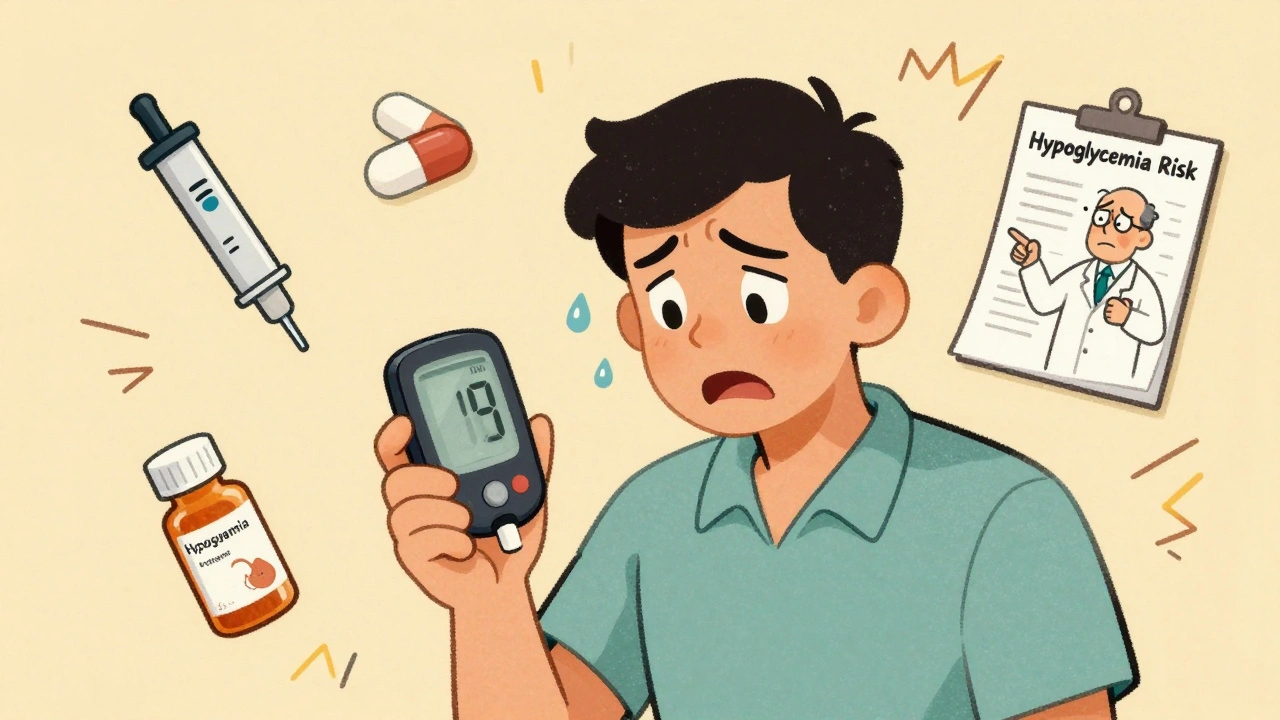
Hypoglycemia Risk Calculator
How This Tool Works
This calculator estimates your risk of hypoglycemia when taking ginseng with diabetes medications. Based on your current medications and ginseng dosage, it provides a risk assessment and safety recommendations. Remember: Always consult your doctor before making changes to your treatment.
Risk Assessment
Important Safety Notes
- Monitor your blood sugar at least 4 times daily when combining ginseng with diabetes medications
- Stop ginseng immediately if blood sugar drops below 4 mmol/L (72 mg/dL)
- Always consult your doctor before adding ginseng to your regimen
- Hypoglycemia symptoms include: shakiness, sweating, dizziness, confusion, rapid heartbeat
Many people with type 2 diabetes turn to natural supplements like ginseng hoping to improve their blood sugar control. It’s not just a trend-it’s rooted in centuries of traditional use, especially in Asia. But here’s the real question: ginseng might help lower blood sugar, but when you’re already on insulin or oral diabetes meds, that’s not just helpful-it can be dangerous.
How Ginseng Affects Blood Sugar
Ginseng, particularly Asian ginseng (Panax ginseng) and American ginseng (Panax quinquefolius), contains active compounds called ginsenosides. These aren’t just plant chemicals-they directly influence how your body handles glucose. Research shows they can help your pancreas release more insulin, make your cells more responsive to insulin, and reduce inflammation that interferes with sugar metabolism. A 12-week study with 74 people with type 2 diabetes found that taking 3 grams of American ginseng daily lowered fasting blood sugar by 0.71 mmol/L compared to placebo. That’s a measurable drop. Another trial using 200 mg of standardized extract daily showed similar results. It’s not a miracle cure, but it’s consistent enough that doctors can’t ignore it. The catch? These effects don’t show up only when you’re taking ginseng alone. They happen when you’re also on metformin, sulfonylureas, or insulin. And that’s where things get risky.The Hidden Risk: Too Much of a Good Thing
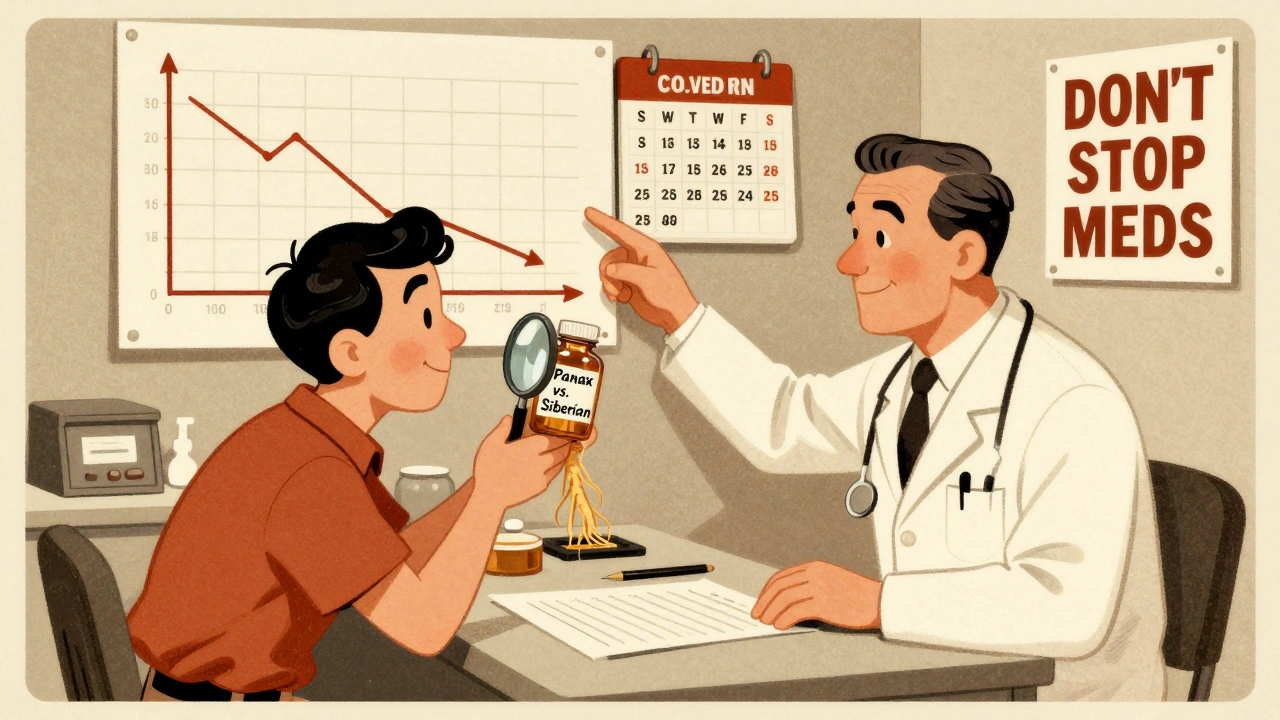
If you’re on diabetes medication, your blood sugar is already being tightly controlled. Adding ginseng is like turning up the volume on a system that’s already at max. The result? Hypoglycemia-dangerously low blood sugar. The Merck Manual, Cleveland Clinic, and WebMD all warn about this. Ginseng doesn’t just work alongside your meds-it can amplify them. One person might feel fine. Another might get dizzy, sweaty, confused, or even pass out. And because ginseng isn’t regulated like prescription drugs, the amount of active ginsenosides in your supplement can vary wildly from bottle to bottle. Even more confusing: Siberian ginseng (Eleutherococcus senticosus) isn’t true ginseng. It doesn’t contain ginsenosides and may raise or lower blood sugar unpredictably. If you’re reading a label and see “Siberian ginseng,” don’t assume it behaves like Panax ginseng. It doesn’t.What Your Doctor Needs to Know
Most people don’t tell their doctor they’re taking ginseng. They think it’s “just a supplement.” But your doctor needs this info-not just for your diabetes, but for everything else you’re taking. Ginseng doesn’t just play nice with diabetes meds. It can interfere with blood thinners like warfarin, increase the risk of bleeding with NSAIDs like ibuprofen, and even affect how your body processes antidepressants, steroids, or heart medications like digoxin. For someone with diabetes who also has high blood pressure, heart disease, or depression, this creates a web of potential interactions. The American Academy of Family Physicians advises caution with ginseng when using oral hypoglycemics or insulin. They don’t say “don’t use it.” They say “be careful.” And that’s the key.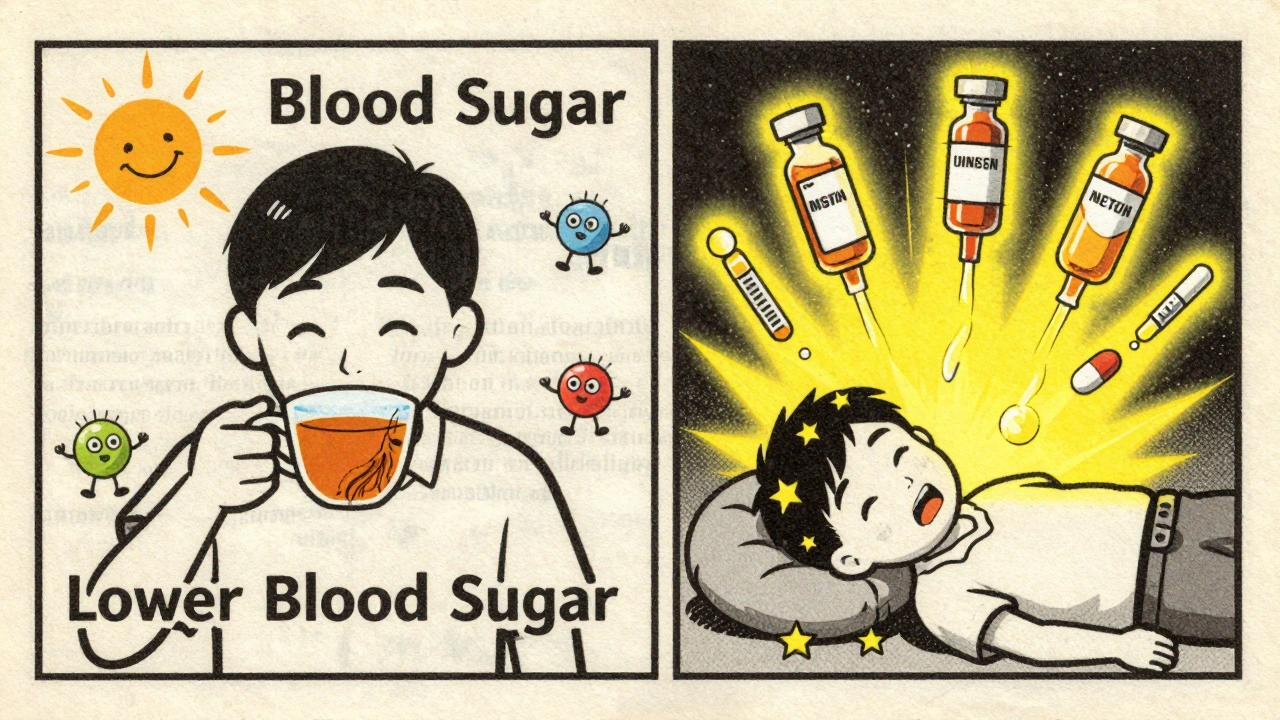
How to Monitor Blood Sugar Safely
If you and your doctor decide ginseng is worth trying, monitoring isn’t optional-it’s essential. Start with a baseline. Track your blood sugar for at least a week before starting ginseng. Note your fasting levels, before-meal readings, and two hours after eating. Then, when you begin taking ginseng, double down on testing. Check your blood sugar:- First thing in the morning
- Before each meal
- Two hours after meals
- Before bed
- Any time you feel shaky, dizzy, or unusually tired
Dosage and Product Quality
There’s no universal “right” dose. Clinical trials have used everything from 100 mg to 3,000 mg daily. Most studies showing benefits used:- 100-200 mg of standardized extract (with 4-7% ginsenosides)
- 1-3 grams of dried root (as tea or chewed)
When to Avoid Ginseng Altogether
Some people should skip ginseng entirely:- If you’ve had recent surgery or are about to have one (ginseng can affect blood clotting)
- If you’re on MAO inhibitors for depression
- If you have high blood pressure that’s hard to control
- If you’re pregnant or breastfeeding
- If you’ve had unexplained hypoglycemia in the past
The Bottom Line
Ginseng isn’t magic. It’s a plant with real, measurable effects on blood sugar. For some people with type 2 diabetes, it may help. But for others, it’s a hidden risk. The safest path? Talk to your doctor before you take a single capsule. Track your blood sugar like your life depends on it-because it might. And if your numbers start dropping too low, stop. Don’t wait for a symptom. Don’t assume it’s “just a fluke.” There’s no shame in using natural tools. But when you’re managing a chronic condition like diabetes, the line between help and harm is thin. You need data, not guesses. And you need a doctor who knows what you’re taking.Can ginseng replace my diabetes medication?
No. Ginseng is not a replacement for insulin or oral diabetes medications. It may help lower blood sugar slightly, but it doesn’t provide the same level of control as prescribed drugs. Stopping your medication to use ginseng alone can lead to dangerously high blood sugar and long-term complications.
How long does it take for ginseng to affect blood sugar?
Some people notice changes in blood sugar within a few days, but most clinical studies show effects after 4 to 8 weeks of consistent use. That’s why it’s important to track your levels daily for at least a month before deciding if it’s working-or if it’s too much.
Is American ginseng better than Asian ginseng for diabetes?
Research suggests American ginseng (Panax quinquefolius) may have a slightly stronger effect on lowering blood sugar than Asian ginseng, especially in short-term studies. But both types contain ginsenosides and can interact with diabetes medications. Neither is “safer”-both require the same level of caution and monitoring.
Can I take ginseng with metformin?
Yes, but only under medical supervision. Studies have shown that combining ginseng with metformin can lead to greater blood sugar reductions than metformin alone. That sounds good-but it also increases the risk of hypoglycemia. Your doctor may need to lower your metformin dose if you start taking ginseng.
What are the signs that ginseng is lowering my blood sugar too much?
Symptoms of low blood sugar include shakiness, sweating, dizziness, confusion, rapid heartbeat, hunger, and blurred vision. If you feel any of these, check your blood sugar immediately. If it’s below 4 mmol/L, treat it with 15 grams of fast-acting sugar (like glucose tablets or juice) and contact your doctor. Don’t ignore these signs-even if they happen once.
Should I stop ginseng before a doctor’s appointment?
No. If you’re taking ginseng, keep taking it until your doctor tells you otherwise. Stopping suddenly can make it harder for your doctor to see how it’s affecting your blood sugar. Bring your logbook or app data to your appointment so your doctor can see the full picture.
Next Steps for People Using Ginseng with Diabetes
If you’re already taking ginseng:- Review your blood sugar logs for the past 30 days
- Write down any symptoms of low blood sugar, even if you didn’t test
- Check the label on your ginseng bottle-is it Panax ginseng or Siberian ginseng? What’s the ginsenoside content?
- Call your doctor and schedule a visit to discuss your supplement use
- Don’t buy it until you’ve talked to your doctor
- Ask if your current meds are likely to interact
- Ask for a baseline blood test (HbA1c, kidney and liver function)
- Get a plan for daily monitoring before you open the bottle


13 Comments
so i started taking american ginseng last month after reading this post and my fasting sugars dropped from 8.2 to 6.9 without changing anything else. but i also got dizzy at work once and had to eat a banana. now i check twice a day and keep glucose tabs in my desk. doctor said keep going but cut the dose in half. fyi: my bottle says 200mg with 5% ginsenosides. not sure if that's standard but it's what i got.
of course the medical industry doesn't want you to know this. ginseng has been used for 3000 years and now some pharma bros want to scare you with 'hypoglycemia' like it's some newfangled danger. they make billions off metformin and insulin but if you can fix your blood sugar with a root from the forest they'll lose their grip. also check the ingredients on your ginseng - if it's not wild harvested and organic it's probably laced with fillers that do the real damage. the real enemy isn't ginseng it's the system that profits from your dependence.
hey i get it - you're trying to take control of your health and that's awesome. but please don't go solo on this. i had a cousin who thought ginseng was a magic fix and stopped her metformin. ended up in the ER. you don't have to choose between pills and plants - you can have both if you're smart about it. talk to your doc, track your numbers, and don't be shy about asking for help. we're all figuring this out together.
just wanted to say thanks for this post. i've been on metformin for 8 years and started ginseng 3 weeks ago. i was nervous but after reading this i made a logbook and check my sugar 4x a day. my levels are steadier than ever. also bought a USP-certified brand - spent a little more but felt better about it. no crashes yet. small wins matter.
⚠️⚠️⚠️ STOP. NOW. YOU ARE RISKING DIABETIC KETOACIDOSIS. I HAVE SEEN THIS HAPPEN. GINSENG + INSULIN = DEAD. I'M A NURSE. I'VE SEEN PEOPLE IN COMA. YOU THINK YOU'RE 'NATURAL' BUT YOUR BODY ISN'T PLAYING A GAME. YOU'RE PLAYING WITH FIRE. AND YES I KNOW YOU'RE SMART. THAT'S WHY YOU'RE READING THIS. SO STOP. TALK TO YOUR DOCTOR. DON'T BE A STATISTIC.
i just wanted to say... i read this and cried a little. i've been taking ginseng for a year and never told my doc. i was scared she'd judge me. but now i'm gonna bring my logbook next week. i've had two low episodes but thought it was just stress. maybe it wasn't. thank you for writing this. i feel less alone.
as someone who grew up in Korea where ginseng is as common as tea, i can say this: we use it with meals, not as a replacement. we don't take 3g daily like some supplement regimen - we sip it in soups or teas, maybe 1g a day. the effects are gentle, slow, and woven into daily life. maybe the real issue isn't ginseng itself but how we treat it like a drug instead of a food. also: avoid Siberian ginseng. it's not the same. my grandma would roll her eyes at that label.
HOW DARE YOU. I AM A DIABETIC AND I TAKE GINSENG EVERY DAY. I HAVE NEVER HAD A PROBLEM. YOU'RE JUST SCARING PEOPLE TO SELL MORE TEST STRIPS. MY DOCTOR SAID IT'S FINE. I HAVE A 4.5 HBA1C. YOU'RE A FEAR-MONGER. I SAW YOUR POST. I KNOW WHAT YOU DID. I'M REPORTING YOU TO MODS. THIS IS MEDICAL GASLIGHTING.
Let’s analyze this. You cite a 12-week study with n=74. That’s underpowered. You reference Merck Manual but omit that it’s a general reference, not a clinical guideline. You mention USP certification but fail to note that only 12% of ginseng supplements meet even basic purity standards. You claim 'no harm to liver/kidney' but the 2020 review had a 6-month follow-up. What about long-term? What about drug interactions with SGLT2 inhibitors? You’re cherry-picking data to support a narrative that lacks depth. This is dangerously incomplete.
why do people even bother with this stuff? just take your pills. ginseng is just fancy dirt. i tried it once. felt like i was gonna pass out. now i just eat less sugar and call it a day. why complicate it? you don't need roots or supplements. just stop eating cookies. done.
you got this. i was skeptical too. but i started with 100mg, tracked my sugar like a hawk, and now i feel better than i have in years. no crashes. no drama. just steady numbers. your body knows what it needs. listen to it. and don't forget to celebrate the small wins. you're doing better than you think.
it's funny how we treat plants like enemies when they've been helping us for millennia. ginseng doesn't 'interfere' with medicine - it speaks the same language as our bodies. maybe the problem isn't the herb, but how disconnected we've become from natural rhythms. i take mine in tea with honey and lemon. not because it's 'safe' but because it reminds me to slow down. and maybe that's the real medicine.
my mom took ginseng for 10 years and her HbA1c dropped from 8.1 to 6.3. she never told her doctor. she said 'if it ain't broke don't fix it.' then she had a seizure last year. turned out her metformin dose was too high because the ginseng was lowering it. she's fine now. but don't be like her. tell your doctor. even if you think they'll judge you. they've heard it all. i promise.
Write a comment