Drug Label Comparison Tool
Traditional Paper Leaflet
QR Code ePIL
Feature Comparison
Key Insight
Click on any feature above to learn more about why this difference matters for patient safety.
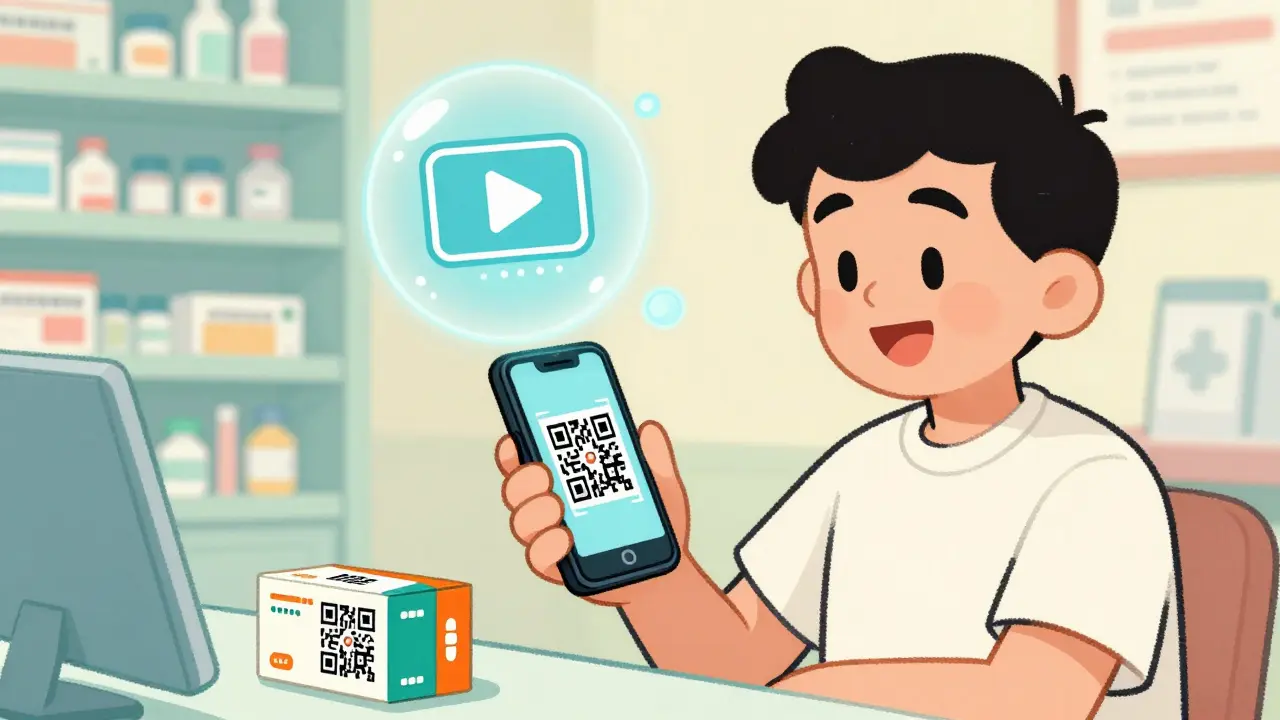
Imagine picking up your prescription at the pharmacy. The box looks familiar, but there’s a small square code printed right next to the dosage instructions. You pull out your phone, scan it, and instead of reading a tiny, crumpled paper insert, you’re looking at a clear, updated video guide or text on how to take your medicine safely. More importantly, if that drug has just received a new safety warning from regulators, that update is already there, instantly available to you.
This isn't science fiction. It is happening right now in pharmacies across Europe and increasingly in other parts of the world. QR codes on drug labels are transforming how we access medication information. They shift us from static, outdated paper leaflets to dynamic, real-time digital content. But why does this matter? Because every year, hundreds of critical safety warnings-like black box warnings-are issued for drugs already on the market. With traditional printing, getting those warnings to patients takes months. With QR codes, it can happen in seconds.
The Shift from Static Paper to Dynamic Digital
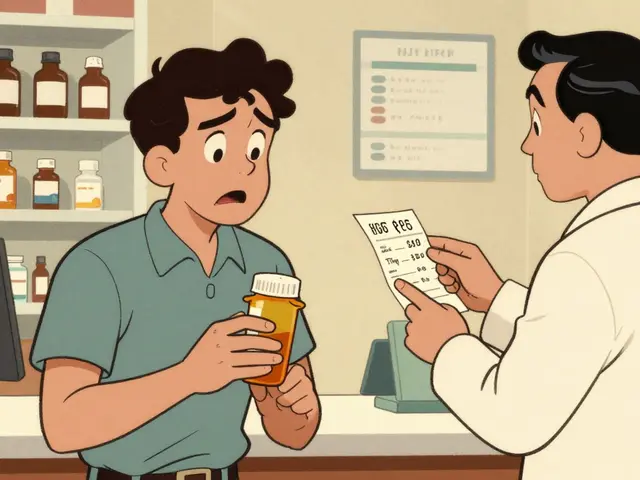
For decades, the standard for medication information has been the Patient Information Leaflet (PIL). You know the one: a folded piece of paper with dense text, often difficult to read, tucked inside the box. The problem with paper is simple: once it is printed, it cannot change. If a regulator discovers a new side effect or interaction two weeks after the batch was printed, that paper leaflet is now dangerously outdated.
Electronic Patient Information Leaflets (ePILs) are digital versions of medication guides accessed via QR codes, allowing for real-time updates and multimedia content. This technology allows pharmaceutical companies to link physical products to live web pages. When a safety update is approved by regulators like the European Medicines Agency (EMA) or the FDA, the content behind the QR code is updated immediately. No need to recall boxes. No need to reprint millions of leaflets. The information is always current.
This transition began gaining serious regulatory traction in Spain in 2021, where authorities allowed QR codes to link directly to product technical specifications. By 2024, the UK's Association of the British Pharmaceutical Industry (ABPI) updated its Code of Practice to officially permit these codes in promotional materials. This signaled a major shift: regulators are no longer just tolerating digital links; they are encouraging them as a tool for patient safety.
How Real-Time Safety Updates Work
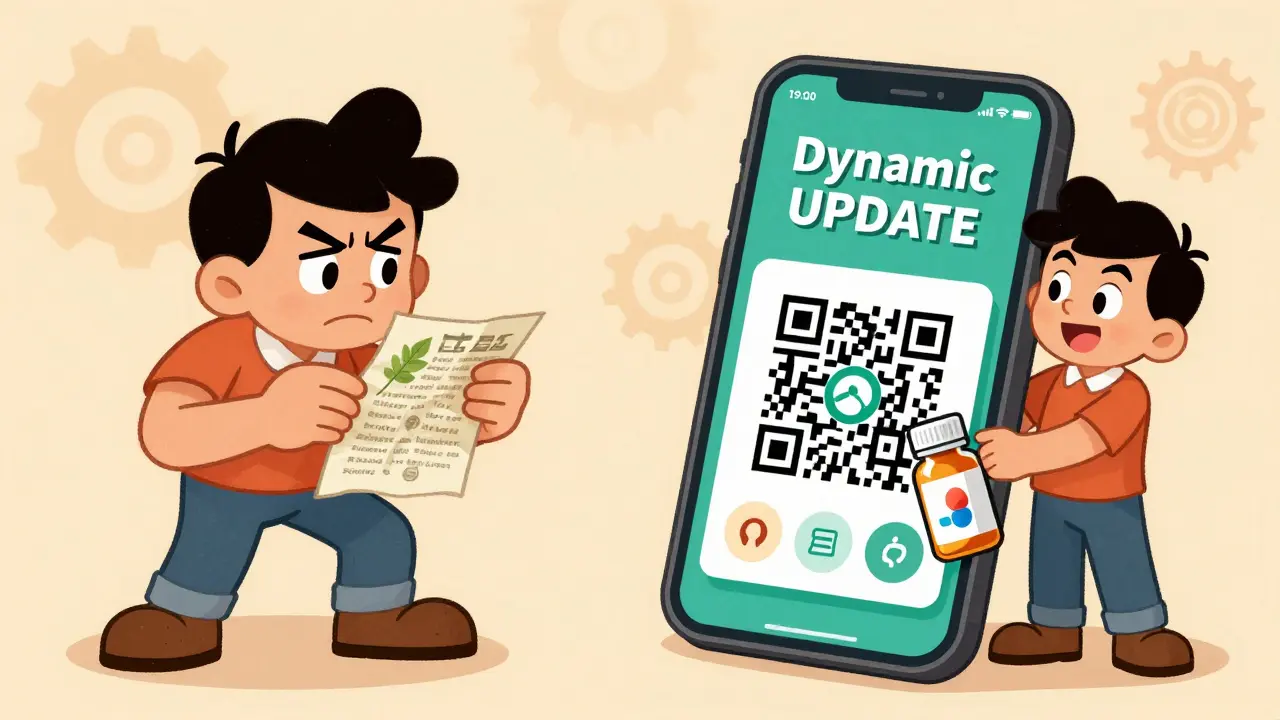
You might wonder how a simple black-and-white square can handle complex regulatory requirements. The magic lies in the difference between static and dynamic QR codes. A static code points to a fixed URL. If you change the content at that URL, the code still works, but you lose control over who saw what version when. That is unacceptable for regulated medical data.
Pharmaceutical companies use Dynamic QR Codes integrated with centralized content management systems that track access logs, version history, and user interactions for regulatory compliance. Here is the process:
- Generation: A unique QR code is generated for a specific drug batch or product line. It is printed on the label during manufacturing.
- Linking: The code points to a secure, cloud-hosted landing page managed by the manufacturer or a specialized provider like sQR.me or Vodori.
- Content Management: Regulatory affairs teams upload the latest prescribing information, safety warnings, and multilingual translations to this central system.
- Audit Trail: Every time a patient or pharmacist scans the code, the system logs the event. This creates an audit trail showing exactly who accessed which version of the safety data and when.
This infrastructure supports a "90-day cascade model" for global safety updates. Instead of waiting months for international labeling harmonization, critical safety alerts can be pushed to all markets within days or weeks, significantly reducing the window of risk for patients.
Benefits for Patients and Healthcare Providers
The primary goal of this technology is not convenience; it is safety. Let’s look at who benefits and how.
| Feature | Traditional Paper Leaflet | QR Code ePIL |
|---|---|---|
| Update Speed | Months (requires reprinting/recall) | Instant (real-time digital push) |
| Content Format | Text only, small font | Video, audio, interactive diagrams, large text |
| Language Support | Limited by space/cost | Unlimited languages accessible via device settings |
| Verification | Visual inspection only | Lot number verification to prevent counterfeits |
| Accessibility | Hard for visually impaired | Screen reader compatible, adjustable font size |
For pharmacists, the impact is immediate. In a busy hospital setting, a pharmacist can scan a code to instantly verify administration instructions or check for recent adverse event reports. One facility reported a 40% improvement in patient comprehension of complex regimens after implementing QR codes on discharge medications. For patients, especially those managing chronic conditions, having access to clear, multimedia instructions reduces errors. You can watch a short video on how to properly inject insulin or inhale asthma medication, rather than trying to decipher vague text descriptions.
There is also a significant role in combating counterfeit drugs. Many QR implementations include verification steps. When you scan the code, the system checks the lot number against the manufacturer’s database. If the drug is fake, the system alerts you immediately. This adds a crucial layer of security to the supply chain.
Challenges and the Digital Divide
Despite the clear benefits, the rollout is not without friction. The biggest concern raised by experts, including Dr. Maria Sanchez of the Global Health Institute, is the "digital divide." Not everyone has a smartphone. Not everyone has reliable internet access. And certainly, not everyone is comfortable using technology.
In rural areas or among elderly populations, relying solely on a QR code could create a two-tier system where digitally disadvantaged groups receive inferior safety information. Studies show that while 63% of patients and staff have knowledge of QR codes, technical proficiency varies wildly. Some users simply don’t know how to scan, or their older phones lack the capability.
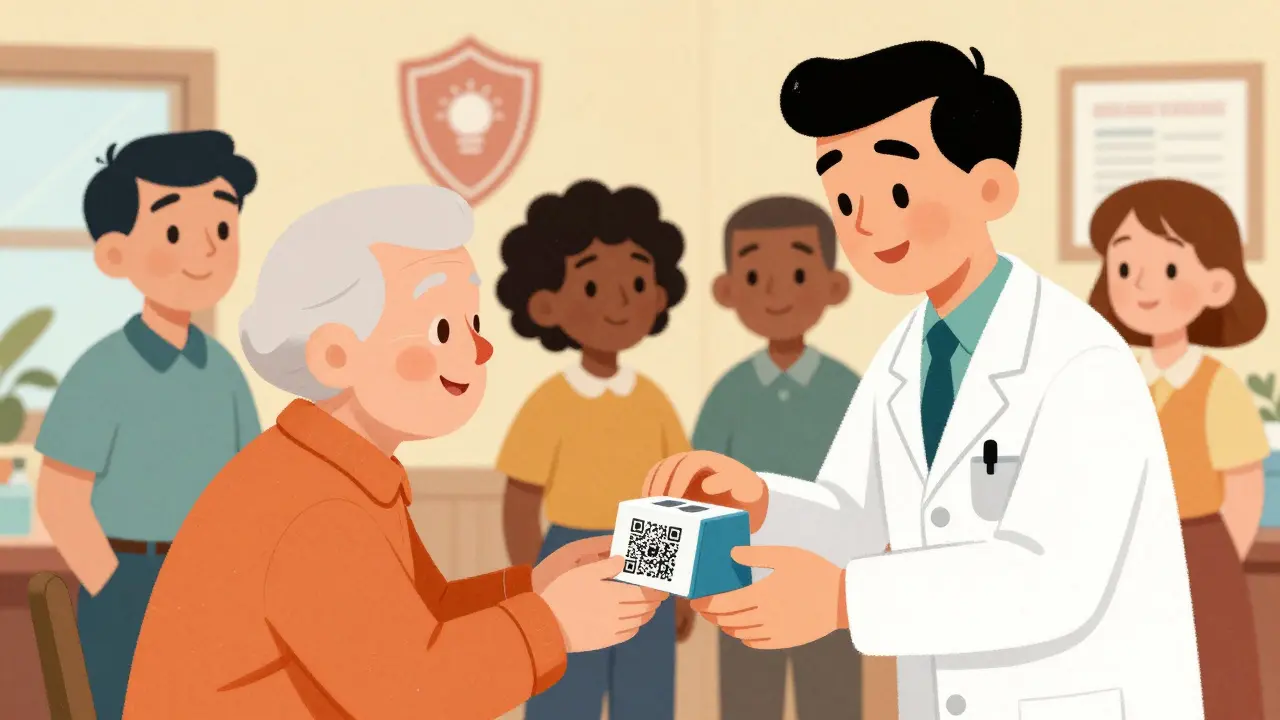
To address this, successful implementations adopt a hybrid approach. DosePacker, a key player in this space, recommends including concise printed instructions alongside the QR code. Pharmacies are also encouraged to offer support, helping patients scan codes on-site. This ensures that the technology enhances safety rather than creating barriers.
Privacy is another consideration. Under regulations like GDPR in Europe and HIPAA in the US, any data collected from scans must be handled carefully. Reputable providers ensure that scan logs are anonymized and used strictly for safety monitoring and regulatory compliance, not for marketing purposes. Transparency about data usage is essential to build trust.
The Future of Pharmaceutical Labeling
We are likely only at the beginning of this transformation. The trend is moving toward mandated e-labeling. Regulators are increasingly viewing digital connectivity as a standard requirement for modern drug approval. By 2025 and beyond, we expect to see:
- AI Integration: Artificial intelligence will analyze scan data and adverse event reports to detect safety signals faster than human reviewers ever could.
- EHR Connectivity: Scanning a drug’s QR code could automatically log the medication into your Electronic Health Record, ensuring doctors always have an accurate list of what you are taking.
- Global Harmonization: As more countries adopt similar frameworks, we’ll see standardized QR formats that work seamlessly across borders, simplifying global supply chains.
Technology providers like Freyr Solutions and PA Consulting note that this aligns with broader trends in regulatory harmonization. The goal is a cohesive landscape where safety information flows freely and securely between manufacturers, regulators, healthcare providers, and patients.
For pharmaceutical companies, the challenge is no longer whether to adopt QR codes, but how to do it effectively. It requires cross-functional teams combining regulatory expertise, IT skills, and patient engagement strategies. The companies that get this right will set the standard for patient safety in the coming decade.
Are QR codes on drug labels mandatory?
Currently, QR codes are not universally mandatory for all drugs worldwide. However, they are permitted and increasingly encouraged by regulators like the EMA and ABPI. Spain pioneered regulatory acceptance in 2021, and the UK updated its guidelines in 2024. While adoption is voluntary in many regions now, industry trends suggest that e-labeling may become a standard requirement in the near future as safety benefits become undeniable.
Is it safe to scan QR codes on medication?
Yes, scanning QR codes provided by legitimate pharmaceutical manufacturers is safe. These codes link to secure, verified websites hosted by the company or authorized partners. They do not install malware or steal personal data. In fact, they enhance safety by providing up-to-date information and verifying product authenticity. Always ensure you are scanning codes from trusted sources like your local pharmacy or recognized brands.
What happens if I don't have a smartphone?
If you do not have a smartphone or internet access, you should still receive a traditional paper Patient Information Leaflet (PIL) with your medication. Regulations require manufacturers to provide accessible information. Additionally, pharmacists are trained to assist patients with scanning codes or explaining digital content. The goal is a hybrid system where digital tools supplement, rather than replace, essential printed information for those who need it.
How do QR codes help prevent counterfeit drugs?
Many pharmaceutical QR codes are linked to unique serial numbers or lot codes. When scanned, the system checks this identifier against the manufacturer’s database. If the code has been scanned before, or if the lot number doesn't match official records, the system can alert the user that the product may be counterfeit. This provides an extra layer of security beyond visual inspection.
Do QR codes replace the need for pharmacists?
No, QR codes do not replace pharmacists. Instead, they empower them. Pharmacists can use QR codes to quickly access detailed drug information, verify authenticity, and educate patients using multimedia resources. The technology handles the data retrieval, allowing pharmacists to focus on personalized care, counseling, and addressing complex patient needs.