Premedication Timing Calculator
Medication Timing Calculator
Your Medication Schedule
When you’re scheduled for a CT scan, MRI, or chemotherapy, the last thing you want is to feel sick, break out in hives, or have a serious allergic reaction. That’s where premedication comes in. It’s not about treating a problem after it happens-it’s about stopping it before it starts. Doctors use a mix of antiemetics, antihistamines, and steroids to protect patients from side effects tied to contrast dyes, chemotherapy, and even some surgeries. These aren’t random pills handed out to everyone. They’re carefully chosen, timed, and dosed based on your history, your risk, and the procedure you’re getting.
Why Premedication Isn’t One-Size-Fits-All
Not every patient needs premedication. In fact, giving it to everyone would be unnecessary-and risky. Studies show that only people with a past reaction to contrast dye or chemotherapy benefit significantly. The American College of Radiology (ACR) says if you’ve never had a reaction before, your odds of having one are less than 0.2%. That’s why Yale Medicine and other top hospitals now reserve premedication for those with documented prior reactions. It cuts down on side effects from the meds themselves-like drowsiness from antihistamines or blood sugar spikes from steroids-while still protecting those who truly need it.How Steroids Work and When to Take Them
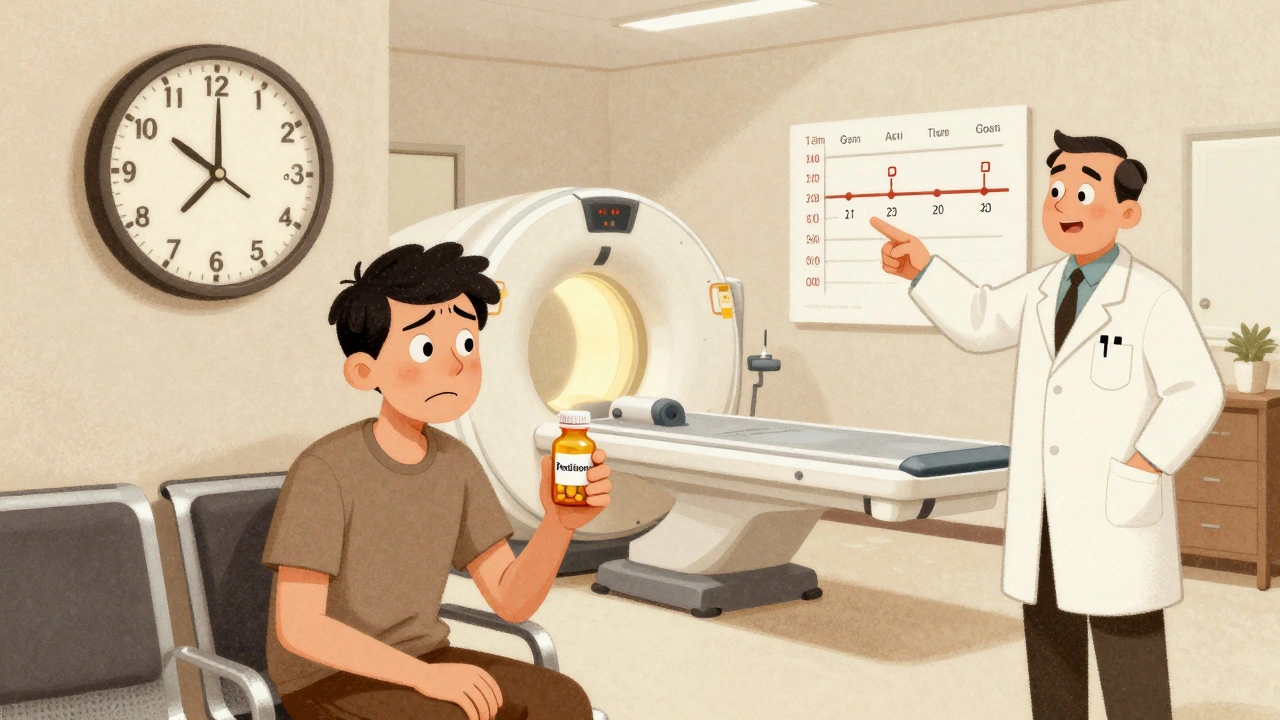
Steroids like prednisone and methylprednisolone are the backbone of premedication for allergic-type reactions. They work by calming down your immune system before it overreacts to contrast agents. But timing matters. Oral prednisone needs 13 hours to reach full effect. That means if your scan is at 10 a.m., you need to take your first dose at 9 p.m. the night before. For emergency cases or inpatients, doctors use IV methylprednisolone instead. It kicks in within 4 hours, making it better for same-day procedures. A typical adult dose is 40mg IV, or 50mg oral prednisone taken at 13, 7, and 1 hour before the procedure. For kids, doses are based on weight-0.7mg per kg, capped at 50mg. Missing the window? The protection drops sharply. One study found that giving steroids less than 6 hours before contrast reduced effectiveness by nearly half.Antihistamines: Old School vs. New School
Antihistamines block histamine, the chemical that causes itching, swelling, and hives during allergic reactions. There are two types: first-generation (like diphenhydramine, or Benadryl) and second-generation (like cetirizine, or Zyrtec). The old-school option, diphenhydramine, works well but makes you sleepy-up to 43% of people report drowsiness. That’s a problem if you’re driving home after a scan or need to stay alert. Cetirizine, on the other hand, causes drowsiness in only about 15% of users and lasts longer. That’s why most hospitals now prefer it. The standard dose is 10mg taken within an hour of the procedure. For kids under 6 months, diphenhydramine is still used at 1mg per kg, because cetirizine isn’t approved for that age group. Even with the right drug, timing matters. Giving it too early or too late cuts its effectiveness. The goal is to have the drug in your bloodstream right when the contrast hits.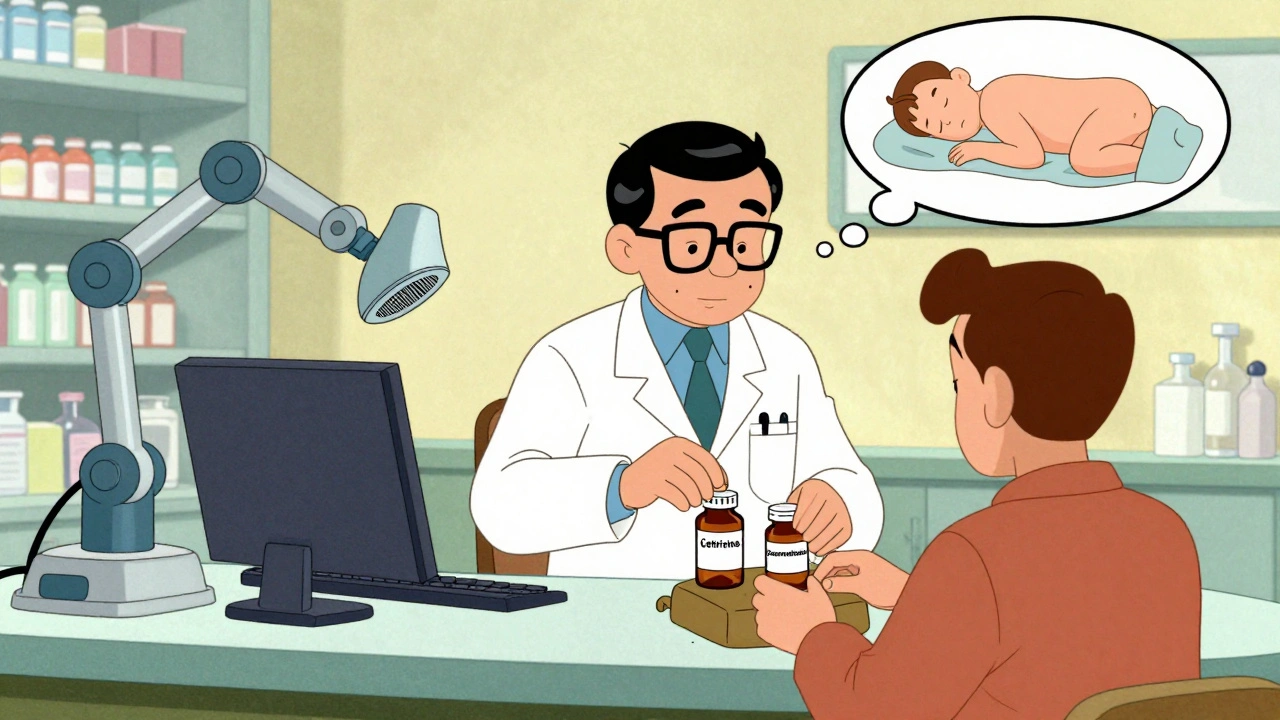
Antiemetics: Stopping Chemo Nausea Before It Starts
If you’re getting chemotherapy, especially drugs like cisplatin or doxorubicin, nausea and vomiting are almost guaranteed without help. That’s where antiemetics come in. The gold standard today is triple therapy: a 5-HT3 blocker (like ondansetron), an NK1 blocker (like aprepitant), and dexamethasone (a steroid). This combo stops nausea in 70-80% of patients, compared to just 50% with older single-drug regimens. A 2023 meta-analysis showed triple therapy cut vomiting rates to 28.4%, while dual therapy left 56.7% of patients still sick. Dexamethasone is used here for its anti-inflammatory and anti-nausea effects. It’s given before chemo, then often repeated for a few days after. For milder chemo drugs, doctors might skip the NK1 blocker and use just ondansetron and dexamethasone. The key is matching the drug to the emetogenic risk of your treatment-not guessing.What Goes Wrong? Common Mistakes and How to Avoid Them
Even with solid science, errors happen. A 2022 survey found that 68% of hospitals had mistakes with premedication orders. The biggest issues? Timing errors, wrong doses, and missed documentation. A patient might get prednisone at 8 a.m. instead of 9 p.m. the night before. Or a nurse gives diphenhydramine instead of cetirizine because the name looks similar. The Institute for Safe Medication Practices (ISMP) says these errors drop by 38% when hospitals use electronic alerts in their systems. Barcode scanning at the bedside, standardized order sets, and pharmacist reviews make a huge difference. One hospital in Baltimore cut its premedication errors by 82% after adding automated EHR prompts that pop up when a contrast order is entered for a patient with a prior reaction. Another common problem: patients forget to take oral meds at home. Some hospitals now give patients a printed schedule with times, drug names, and even photos of the pills.Real-World Impact: Numbers That Matter
The data doesn’t lie. Before widespread premedication, moderate to severe reactions to contrast dye happened in 0.2-0.7% of patients. After using the Yale protocol-steroids + cetirizine-those numbers dropped to 0.04%. That’s a 94% reduction. For chemotherapy patients, triple therapy means 7 out of 10 people go through treatment without vomiting. At Johns Hopkins, implementing barcode-assisted premedication led to a 92% drop in contrast reactions over two years. Even better: fewer ICU admissions, shorter hospital stays, and less stress for patients. But it’s not perfect. About 4% of premedicated patients still get mild reactions. And 0.8% still have moderate ones. That’s why we never stop monitoring. No protocol is 100%. But when done right, it gets you close.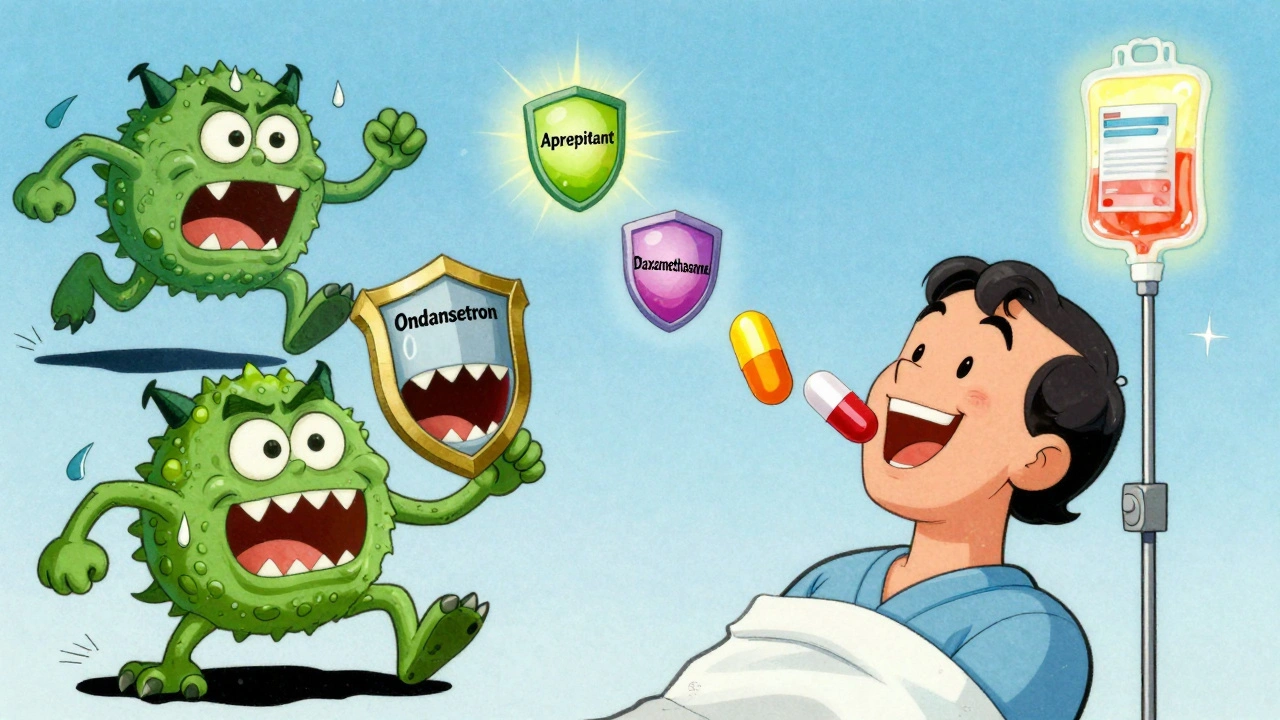
What’s Next? AI, New Drugs, and Better Systems
The future of premedication is smarter, not just stronger. Researchers at Stanford and MIT are testing AI models that predict your risk of a reaction based on your age, medical history, lab values, and even your genetic markers. One 2023 study showed a machine learning tool predicted contrast reactions with 84% accuracy-better than most doctors’ gut calls. On the drug front, new NK1 antagonists like fosnetupitant are being tested. They work longer and have fewer side effects than aprepitant. The American Society of Clinical Oncology is already updating guidelines to include them. And hospitals are starting to use smart infusion pumps that stop the wrong dose from being given. The goal? To make premedication automatic, safe, and personalized-not a checklist item.What You Should Do If You’re Scheduled for a Procedure
If you’re getting contrast or chemo, ask these questions:- Have I had a reaction before? If yes, tell your doctor. Don’t assume they know.
- What meds will I get? Ask for the names, doses, and exact times.
- Will I get them by mouth or IV? If it’s oral, make sure you know when to take them at home.
- Is there a written schedule? Ask for one. Don’t rely on memory.
- Will my meds be double-checked? If you’re in the hospital, ask if a pharmacist reviews your premedication.
If you’re a caregiver, help track the timing. Set phone alarms. Write it down. One missed dose can mean a bad reaction.
Do I need premedication if I’ve never had a reaction before?
No, you don’t. Premedication is only recommended if you’ve had a prior reaction to contrast dye or chemotherapy. Giving it to everyone increases side effects like drowsiness and high blood sugar without reducing risk for most people. Hospitals now use targeted protocols based on your history, not blanket rules.
Why do I have to take steroids 13 hours before a CT scan?
Oral steroids like prednisone need time to be absorbed, travel through your bloodstream, and suppress your immune system enough to prevent a reaction. Studies show that taking them less than 6 hours before contrast reduces protection by up to 50%. The 13-hour window ensures peak levels are reached just as the dye is injected.
Is cetirizine better than Benadryl for premedication?
Yes, for most adults. Cetirizine (Zyrtec) works just as well as diphenhydramine (Benadryl) at preventing allergic reactions but causes far less drowsiness-only 15% of users versus 43%. It also lasts longer, so you don’t need multiple doses. Hospitals now prefer cetirizine unless the patient is under 6 months old or allergic to it.
Can I skip my premedication if I’m running late?
Don’t skip it. Missing your steroid or antihistamine dose can leave you unprotected. If you’re running late, call the facility ahead of time. They might reschedule your scan or switch you to an IV steroid, which works faster. Never assume it’s okay to skip-it’s not a suggestion, it’s part of your safety plan.
Why do chemo patients get three anti-nausea drugs?
Different drugs block nausea in different ways. 5-HT3 blockers stop immediate vomiting, NK1 blockers prevent delayed nausea (which can last days), and dexamethasone reduces inflammation and boosts the other two. Together, they cover all phases of chemo-induced nausea. Using just one or two leaves you vulnerable, especially with strong chemo drugs like cisplatin.
Are there side effects from premedication drugs?
Yes, but they’re usually mild. Steroids can raise blood sugar, cause mood swings, or make you feel restless. Antihistamines like Benadryl cause drowsiness; cetirizine causes less. Antiemetics can cause headaches or constipation. These are far less dangerous than a severe allergic reaction or uncontrolled vomiting. Your care team will weigh the risks and benefits for you.
How do I know if my hospital follows the right protocol?
Ask if they follow guidelines from the American College of Radiology or the Institute for Safe Medication Practices. Look for electronic alerts in your chart, pharmacist reviews, and written instructions. If they’re giving you Benadryl without asking if you’re okay with drowsiness, or if they’re not checking your history, it might be worth asking for clarification.


8 Comments
Just had my first contrast scan last week and they gave me cetirizine instead of Benadryl - no drowsiness at all. I was able to drive home and even make dinner. Seriously, why aren’t more places doing this? So glad they updated the protocol.
Ugh I hate when they make you take steroids the night before. I fell asleep at 10pm, woke up at 2am sweating and paranoid because of the prednisone. Then had to drag myself to the hospital at 8am like a zombie. Worth it? Maybe. But why can’t they just give it IV like normal people?
The empirical validity of premedication protocols is contingent upon the epistemological framework of risk stratification. The ACR guidelines, while statistically sound, fail to account for latent immunological variability in subpopulations. The reduction from 0.7% to 0.04% is statistically significant, yet clinically misleading without multivariate regression analysis of comorbidities, pharmacokinetic profiles, and genetic polymorphisms in IL-6 and HLA-B alleles. One cannot reduce human physiology to a checklist.
Why all this fuss? Just give Benadryl to everyone. Cheap. Fast. Works. No need for fancy cetirizine or steroid timing. Hospitals waste so much money on protocols. If you react, you react. Big deal.
so i got my premeds last week and like… i forgot the prednisone at 9pm 😅 then i took it at 5am and was like ‘ehhh close enough’… scan was fine but i felt like a robot for 2 days. next time im setting 3 alarms. also why is everyone so obsessed with cetirizine? i just want my benadryl nap 😴
This is so cool 😊 I didn’t realize how much science goes into this! The AI prediction stuff at Stanford? Mind blown 🤯 I’m gonna ask my oncologist if they’re using any of those new NK1 blockers. Also, barcode scanning for meds? That’s next level safety. We need this everywhere.
It’s not just about timing or drug selection - it’s about systemic accountability. The fact that 68% of hospitals still have errors speaks to a culture of complacency. You don’t just ‘hope’ the nurse remembers. You don’t just ‘ask’ if the pharmacist reviewed it. You implement mandatory electronic double-checks with audit trails. You penalize institutions that allow diphenhydramine to be administered without documented patient preference. This isn’t medicine - it’s negligence dressed in protocols. And until we treat premedication like a high-stakes surgical procedure, patients will continue to be collateral damage.
Of course you’re going to have reactions if you’re not taking your steroids 13 hours in advance. If you can’t follow basic instructions, don’t blame the system. This isn’t a suggestion - it’s a medical necessity. People who skip doses are essentially gambling with their lives. And now you want to blame the hospital? Grow up.
Write a comment