Drug Interaction Risk Estimator
Your Profile
Based on the "Silent Killers" section of the article.
Risk Assessment Result
Enter your details to estimate your risk profile.
Analysis:
...
Recommended Action:
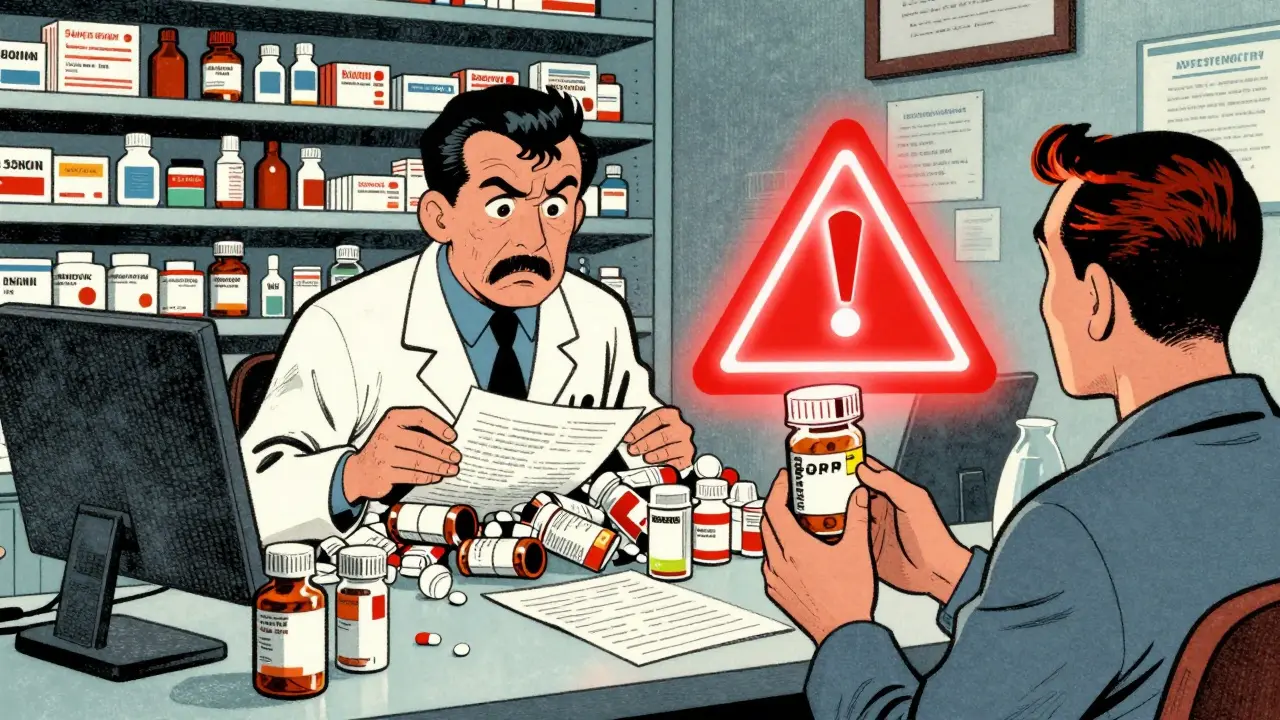
You hand over your prescription, the machine beeps, and you walk out with a new bottle of pills. It feels routine. But what if that new pill turns your existing heart medication into a poison? What if it stops your birth control from working? Or worse, what if it shuts down your kidneys while you sleep?
This isn’t a horror movie script. It’s a daily reality for thousands of people. A landmark investigation by the Chicago Tribune found that 52% of pharmacies failed to warn patients about life-threatening drug combinations during controlled testing. That means more than half the time, the safety net broke. As we navigate 2026, with an aging population taking more medications than ever, understanding these "red flags" is no longer just medical trivia-it’s a survival skill.
The Silent Killers: Five Dangerous Combinations
Not all drug interactions are created equal. Some cause mild nausea; others stop your heart. Pharmacists call the latter "major" or "contraindicated" interactions. Here are five specific combinations that should trigger an immediate alarm bell at any pharmacy counter.
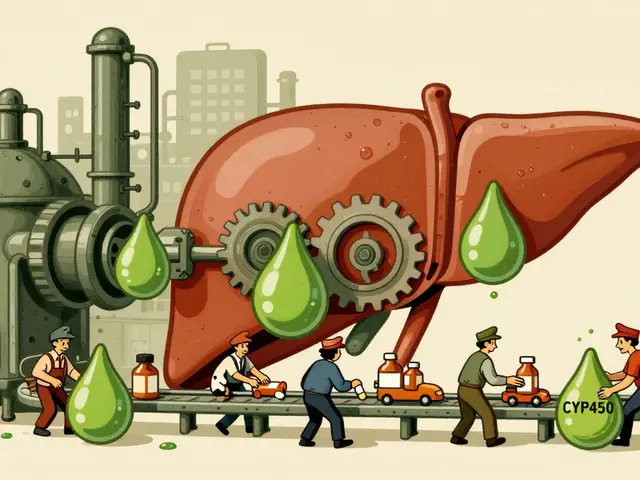
- Tizanidine (Muscle Relaxer) + Ciprofloxacin (Antibiotic): This combo is a recipe for unconsciousness. Ciprofloxacin blocks the enzyme (CYP1A2) that breaks down Tizanidine. The result? Your blood pressure plummets, and you could lose consciousness. If you’re prescribed an antibiotic for a UTI while on muscle relaxers, ask your pharmacist: "Will this affect my blood pressure?"
- Simvastatin (Cholesterol) + Clarithromycin (Antibiotic): This is one of the most dangerous pairs. Clarithromycin inhibits the CYP3A4 enzyme, causing Simvastatin levels to skyrocket. This can lead to rhabdomyolysis, a condition where muscle tissue breaks down rapidly, releasing proteins that destroy your kidneys. Creatine kinase levels can spike to 10,000 U/L, leading to acute kidney failure. Safer alternatives exist, like Atorvastatin or Pravastatin, which don’t have this severe interaction.
- Colchicine (Gout) + Verapamil (Blood Pressure): Colchicine has a narrow therapeutic window-meaning the difference between a helpful dose and a fatal one is tiny. Verapamil slows down the transporter (P-glycoprotein) that removes Colchicine from your body. In elderly patients or those with kidney issues, this combination can be fatal due to toxicity buildup.
- Warfarin (Blood Thinner) + Amiodarone (Heart Rhythm): Warfarin is tricky enough on its own. Add Amiodarone, and it inhibits multiple enzymes (CYP2C9, 1A2, 3A4) that metabolize Warfarin. This increases bleeding risk significantly. Standard protocol requires reducing the Warfarin dose by 30-50% immediately and monitoring INR weekly. If your pharmacist doesn’t mention dose adjustments, speak up.
- Oral Contraceptives + Griseofulvin (Anti-Fungal): Griseofulvin induces the enzymes that break down estrogen. Studies show pregnancy rates exceed 30% when these are combined. If you’re treating a fungal infection, you need a backup contraceptive method, or a different antifungal agent entirely.
Why Do Pharmacies Miss These Warnings?
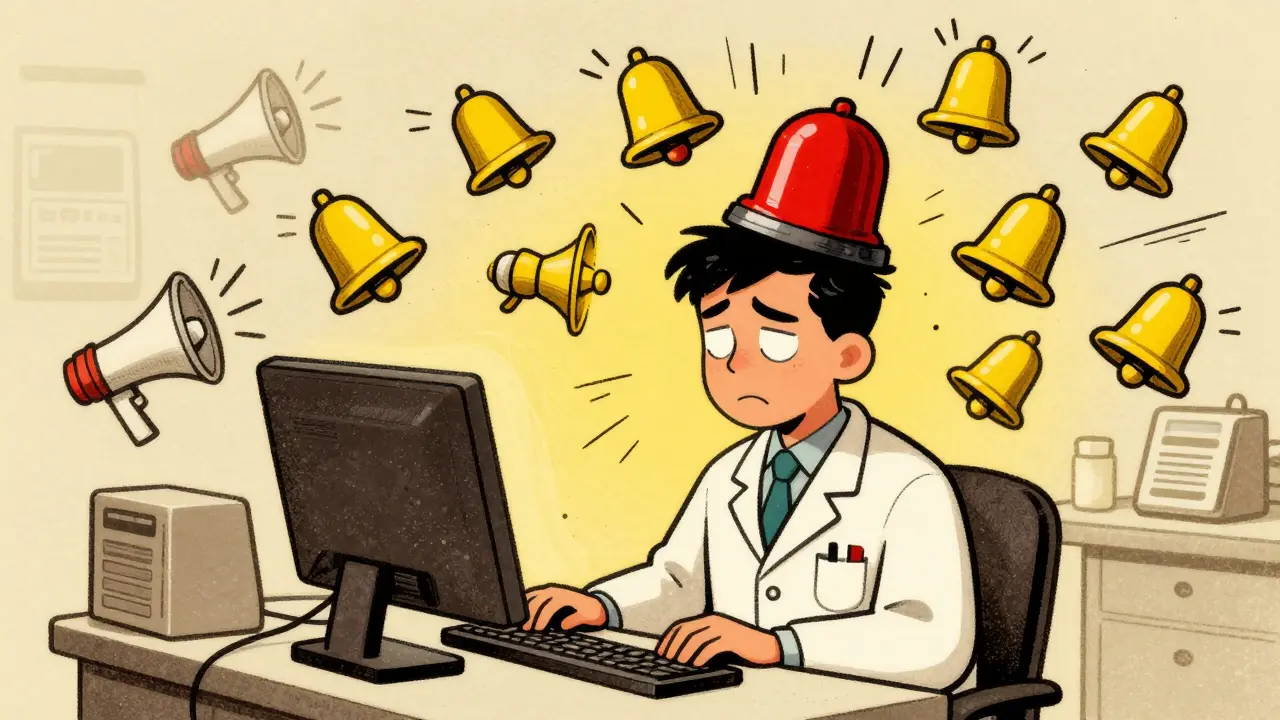
If pharmacists are trained experts, why did the Tribune investigation find such high failure rates? The culprit isn’t incompetence; it’s alert fatigue.
Imagine driving down a highway where every single car triggers a loud siren. After ten minutes, you’d ignore them all. That’s what happens in pharmacy software. Computerized Physician Order Entry (CPOE) systems generate hundreds of alerts per day. Most are low-severity warnings (like "drink water with this pill"). When a critical warning (like "this will kill the patient") gets buried under 50 minor ones, human brains tune it out.
Professor John Horn from the University of Washington School of Pharmacy notes that customizing these alerts can reduce irrelevant notifications by 78%. However, many community pharmacies still use generic, unfiltered systems. The National Community Pharmacists Association reports that pharmacists spend an average of just 2.3 minutes per prescription in chain stores. In that time, they must count pills, check insurance, answer phones, and review complex medical histories. It’s a system designed for speed, not safety.
The Polypharmacy Problem: Why Age Matters
Drug interactions aren’t random. They cluster around specific populations. The biggest red flag is polypharmacy-the concurrent use of multiple medications.
| Factor | Statistic/Impact | Why It Matters |
|---|---|---|
| Aging (65+) | 7x higher risk than younger adults | Kidney and liver function decline, slowing drug metabolism |
| Medication Count | Average 4.5 prescriptions daily for seniors | Each added drug exponentially increases interaction potential |
| Hospitalizations | 350,000 admissions annually due to ADEs | Adverse Drug Events (ADEs) are a leading cause of preventable hospital stays |
If you are over 65, your body processes drugs differently. You might take a standard dose of a painkiller, but because your kidneys clear it slower, it builds up to toxic levels. Combine that with a blood thinner and a stomach ulcer med, and you’ve got a perfect storm. The Agency for Healthcare Research and Quality estimates that adverse drug events account for 1.3 million emergency department visits each year in the US. For older adults, a simple refill can become a crisis.
How to Protect Yourself: A Patient’s Checklist
You are the final checkpoint in your healthcare team. Don’t assume the system works perfectly. Use this checklist every time you pick up a new medication:
- The "Brown Bag" Review: Once a year, bring every single pill bottle you own (prescription, OTC, vitamins, herbs) to your pharmacist. Ask them to review everything together. Many interactions happen between a prescription drug and an over-the-counter supplement like St. John’s Wort or Garlic extract.
- Ask About Enzymes: You don’t need to be a biochemist, but knowing that "enzymes" break down drugs helps. Ask: "Does this new drug affect how my body processes my other meds?"
- Monitor for Symptoms: Know the signs of trouble. Sudden muscle weakness (rhabdomyolysis), unusual bruising (bleeding risk), extreme dizziness (low blood pressure), or confusion (toxicity). If you feel "off" after starting a new med, call your doctor immediately.
- Use One Pharmacy: Splitting prescriptions between three different chains makes it nearly impossible for any single pharmacist to see your full picture. Consolidate your care to ensure one professional manages your entire regimen.
The Future of Safety: AI and Better Alerts
Is there hope? Yes. The industry is waking up. Following the 2016 Tribune report, major chains like CVS and Walgreens implemented stricter protocols. Professor Horn’s customized alert systems, now used in 12 major health systems, increased the identification of critical interactions from 48% to 89%.
Looking ahead to 2026 and beyond, Artificial Intelligence is changing the game. The FDA’s Digital Health Innovation Action Plan is funding AI tools that go beyond simple pair-checking. These systems analyze patient-specific factors-age, weight, kidney function, genetics-to predict risks unique to you. Instead of a generic warning, the system might say: "This patient has reduced renal function; this combination poses a 40% higher risk of toxicity."
However, technology alone isn’t the fix. The CDC recommends mandatory pharmacist-patient counseling for high-risk medications. This human connection remains vital. A pharmacist who knows your history can spot red flags that algorithms miss.
What To Do If You Suspect an Interaction
If you believe you’ve experienced a bad reaction:
- Stop the new medication (unless advised otherwise by a doctor).
- Contact your pharmacist or doctor immediately. Describe your symptoms clearly.
- Report it. In the US, you can file a report with the FDA MedWatch program. This data helps regulators update safety warnings and protect others.
Drug interactions are complex, but they are preventable. By understanding these red flags and demanding better communication from your healthcare providers, you turn yourself from a passive recipient into an active partner in your safety. Don’t let alert fatigue cost you your health. Speak up, ask questions, and never underestimate the power of a simple conversation at the pharmacy counter.
What are the most common symptoms of a dangerous drug interaction?
Symptoms vary by interaction type but often include sudden dizziness, fainting, severe muscle pain or weakness (especially with statins), unusual bleeding or bruising (with blood thinners), rapid heartbeat, or confusion. If you experience any of these after starting a new medication, seek medical attention immediately.
Can over-the-counter supplements cause drug interactions?
Yes, absolutely. Supplements like St. John’s Wort, Garlic, Ginkgo Biloba, and Vitamin K can significantly interact with prescription drugs. For example, St. John’s Wort speeds up the breakdown of many medications, making them less effective, while Vitamin K can counteract blood thinners like Warfarin. Always disclose all supplements to your pharmacist.
Why do pharmacists sometimes miss dangerous interactions?
The primary reason is "alert fatigue." Pharmacy software generates hundreds of warnings daily, most of which are minor. Over time, pharmacists may subconsciously ignore alerts to keep up with workflow demands. Additionally, time pressures in busy community pharmacies limit the depth of review possible for each prescription.
How can I reduce my risk of adverse drug events?
Use a single pharmacy for all prescriptions to ensure a complete medication profile. Bring all your meds (including OTCs and supplements) to an annual "brown bag" review with your pharmacist. Ask specifically about interactions when starting new drugs. Monitor your body for changes and report them promptly. Stay informed about your conditions and medications.
Are certain age groups more vulnerable to drug interactions?
Yes, older adults (65+) are at highest risk. They often take multiple medications (polypharmacy) and have reduced kidney and liver function, which slows drug metabolism. Children and pregnant women are also vulnerable due to developing bodies and changing physiological states. Tailored dosing and careful monitoring are essential for these groups.
What should I do if I forget to tell my pharmacist about a medication?
Call your pharmacy as soon as you remember. Pharmacists can re-evaluate your profile for potential interactions. If you’ve already taken the new medication, monitor for symptoms and consult your doctor if you feel unwell. Honesty about your full medication list is critical for safety.
Is it safe to combine antibiotics with other common medications?
It depends on the antibiotic and the other drug. Some antibiotics, like Clarithromycin and Ciprofloxacin, strongly inhibit enzymes that process other drugs, leading to dangerous buildups. Always ask your pharmacist or doctor: "Does this antibiotic interact with my current medications?" Never assume it’s safe without verification.

10 Comments
I really appreciate this breakdown because it highlights the systemic failures we often ignore. It is frustrating that pharmacists are treated like pill-dispensers rather than healthcare professionals who can actually save lives. We need to demand better protocols and less alert fatigue in these systems. :)
Oh, look at us playing doctor with our little internet articles. You think reading a blog post makes you an expert on CYP450 enzymes? Please. The real issue is that people refuse to read the leaflet that comes with their meds. If you can't handle basic responsibility, maybe don't take anything stronger than Tylenol.
This is absolutely terrifying! How many of us are walking around as ticking time bombs right now? I feel sick just thinking about my grandmother's medication list. It’s a moral outrage that the system allows this negligence to persist. We are failing our elders!
hey guys, i work in retail pharmacy and honestly the software alerts are insane. we get like 50 warnings for every single script and most are useless so you start ignoring them. its not that we dont care, its that the system is broken. try bringing all your bottles in once a year, helps a lot.
Let's be honest, most patients are too stupid to understand half of what they're taking. They walk in, grab their bag, and leave without asking a single question. Don't blame the pharmacist for being busy when the customer base is largely incompetent. Read the label, peasants.
The data regarding polypharmacy in adults over sixty-five is particularly concerning. The statistical correlation between medication count and adverse events is exponential, not linear. This necessitates a rigorous review of current clinical pathways in community settings to mitigate risk effectively.
u know what the real problem is? greed. big pharma wants u to take more pills so they make more money. its a conspiracy to keep u sick and dependent. stop trusting the system and start listening to ur body. natural remedies are the only way out of this trap.
I have been dealing with this exact issue for years and it is incredibly frustrating to navigate the healthcare system when you are trying to manage multiple chronic conditions simultaneously. The fact that we have to act as our own safety net is absurd and completely unacceptable in a modern society that claims to value health and well-being above all else.
Please ensure you consult your healthcare provider before making any changes to your regimen; self-diagnosis can be dangerous. The brown bag review method is highly recommended by many professionals for maintaining accurate records. Stay safe and informed.
The bioavailability issues with Griseofulvin are wild 🤯. Seriously, the enzyme induction rates are off the charts. Always check your therapeutic drug monitoring levels if you’re on narrow TIs. Don’t let the PK/PD dynamics slip by unnoticed! 💊✨
Write a comment