Quick Summary: Finding Your Right Platform
- Budget-focused: Amazon RxPass is the go-to for low flat-fee subscriptions on a limited list of meds.
- Broad Health Needs: Ro offers the most comprehensive library of medications and therapeutic categories.
- Lifestyle & Wellness: Hims & Hers specializes in hair loss, skincare, and sexual health.
- Integrated Finance: Beem Health combines prescription savings with financial tools like cash advances.
How These Platforms Actually Work
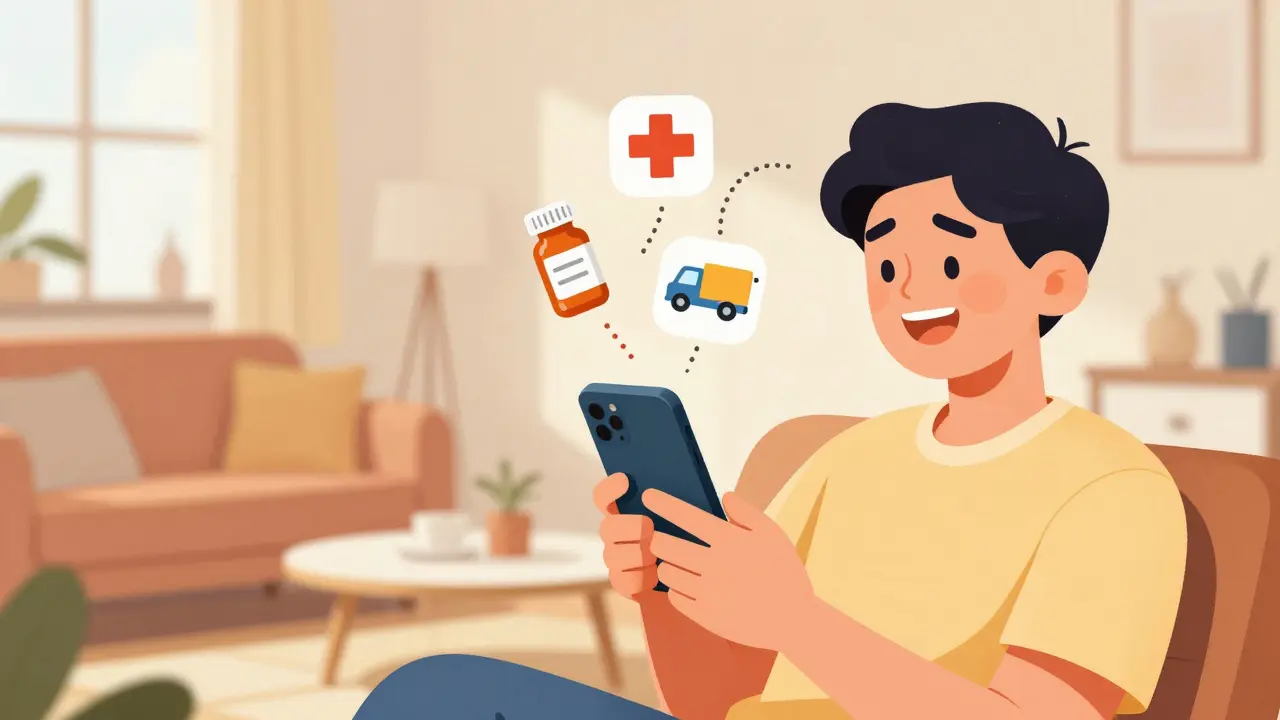
If you've never used a telehealth pharmacy, the process is surprisingly fast. Most users can go from downloading the app to having a prescription approved in under 20 minutes. You start by creating a profile and filling out a detailed medical questionnaire. In some cases, you'll have a quick video call with a board-certified physician. Once the doctor confirms the medication is appropriate for you, they send an e-prescription to an affiliated pharmacy, which then ships the generic version of the drug to your home.
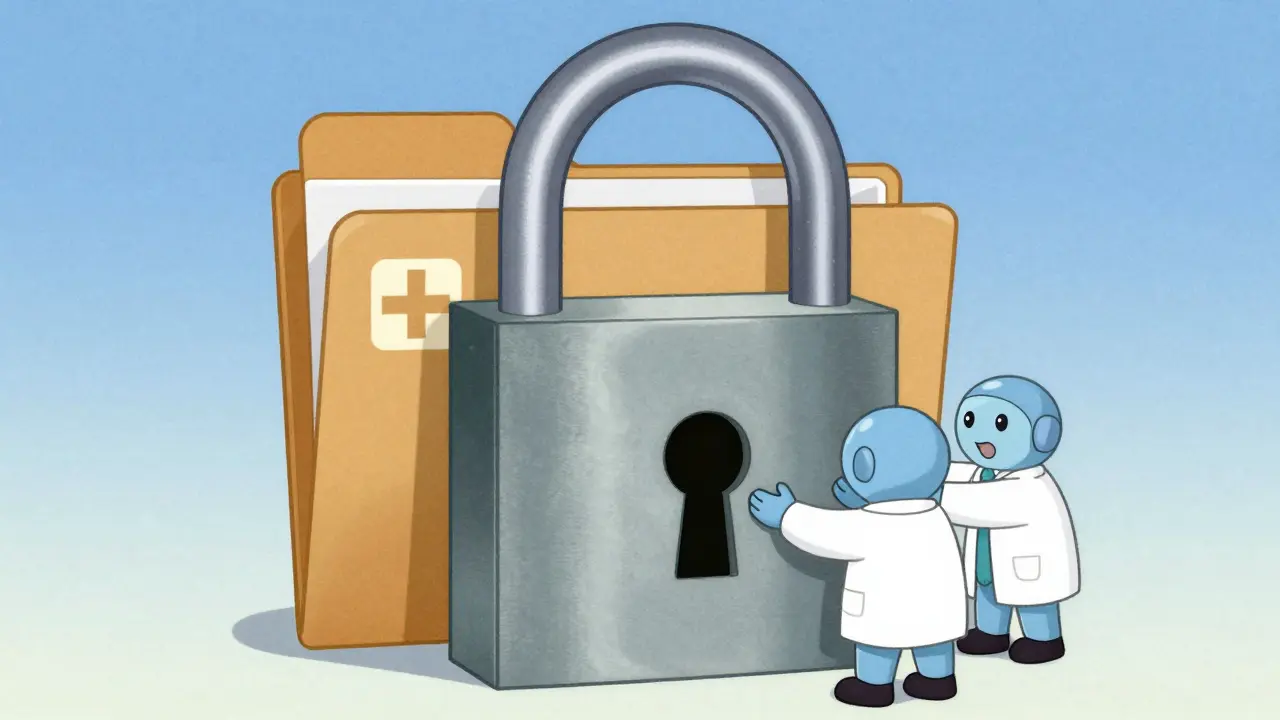
The technical side is what makes this seamless. Most of these apps are built using React Native or Flutter, which is why they feel so smooth on both iPhone and Android. To keep your data safe, they use 256-bit AES encryption and are fully HIPAA compliant, meaning your medical history isn't just floating around the open web. However, it's worth noting that these apps aren't a total replacement for a GP. They generally don't handle controlled substances and have an approval rate of about 65-75%, as doctors will deny requests that seem medically unsafe.
Comparing the Top Generic Medication Platforms
Not all apps are created equal. Some treat the pharmacy as a side feature, while others make it the main event. The biggest difference lies in the cost structure and the variety of drugs they cover.
| Platform | Pricing Model | Medication Range | Best For |
|---|---|---|---|
| Amazon RxPass | $5/month subscription | ~150-300 generics | Extreme cost savings on common meds |
| Ro | $15/month + drug cost | 1,200+ medications | Comprehensive care & chronic conditions |
| Hims & Hers | Per-prescription (~$25-$45) | Specialized categories | Hair, skin, and sexual health |
| Beem Health | Variable / Savings-based | Broad range | Financial health & drug savings |
The Real Value of Generics
Why go through the app process at all? The answer is usually the price. Generic medications are chemically identical to brand-name drugs but cost significantly less because the manufacturers didn't have to pay for the original research and development. According to 2025 data, generics are often 80-85% cheaper than their branded counterparts.
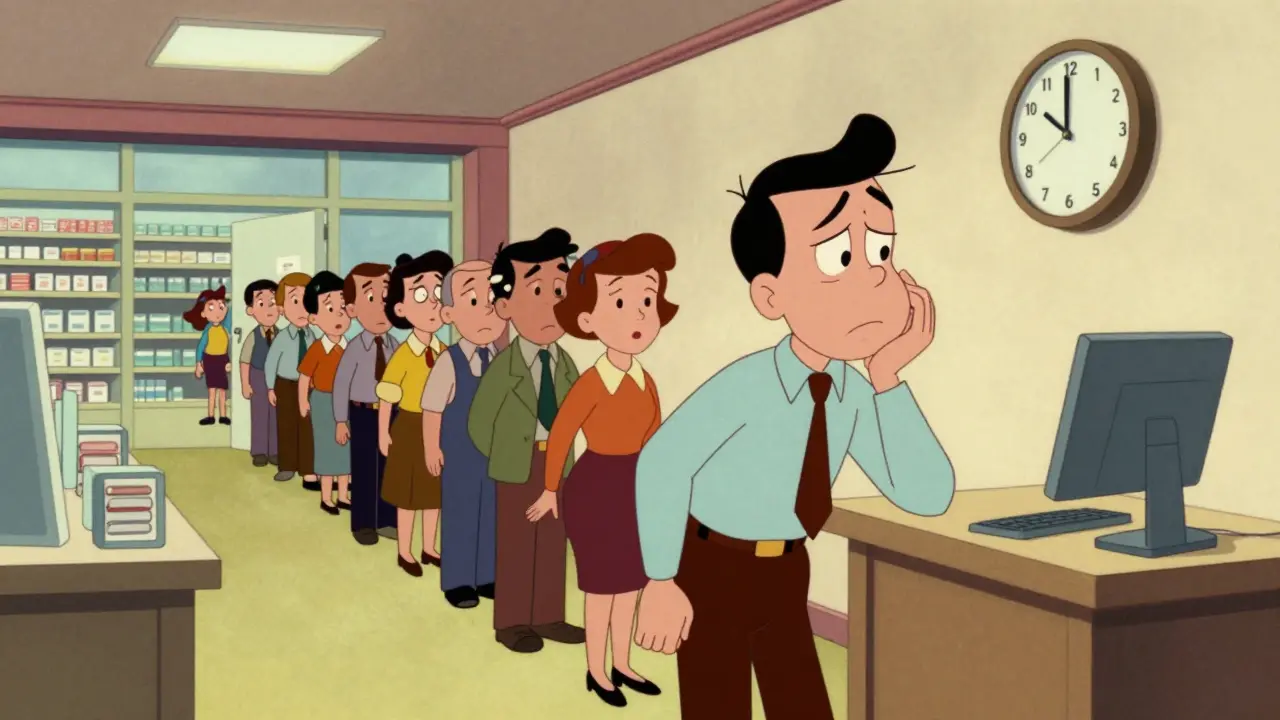
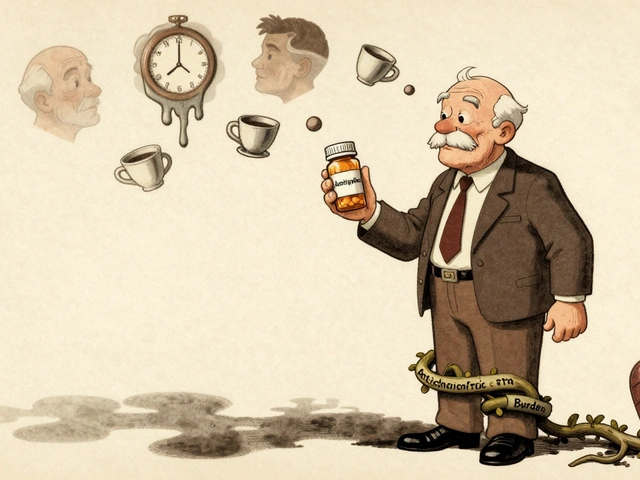
For example, a user might pay $45 at a local retail pharmacy for a brand-name medication but get the generic equivalent for just $5 through a subscription like RxPass. This accessibility is a game-changer for people managing long-term health issues who can't afford high monthly premiums. But there's a trade-off: convenience can sometimes lead to "fragmented care." If you use one app for your blood pressure and another for your skin, and a third for your allergies, your doctors might not have a complete picture of your medication history, which can lead to dangerous drug interactions.
Potential Pitfalls and What to Watch For
It's not all smooth sailing. While the convenience is great, there are some red flags to keep in mind. First, be wary of marketing that makes these services sound like a "magic pill." The FDA has issued warnings to several telehealth companies for not properly disclosing the risks of certain medications. Because you aren't sitting across from a doctor who knows your entire medical history, the risk of a "therapeutic misconception"-thinking a drug is a perfect fit when it might not be-is higher.
Then there's the issue of insurance. About 40% of users run into trouble when trying to apply their insurance to these platforms. Many apps operate on a cash-pay or subscription basis, meaning you might be paying out of pocket even if you have a great insurance plan. Always check if the platform accepts your provider before you spend an hour filling out forms.
Tips for a Better App-Prescribing Experience
To avoid the common headaches reported by users on forums like Reddit, follow these a few simple rules of thumb:
- Be precise with your data: When uploading previous prescriptions, use clear images. Optical Character Recognition (OCR) is used by these apps to process data; a blurry photo can delay your approval by days.
- Consolidate where possible: Try to use one platform for multiple needs. This reduces the chance of fragmented medical records.
- Ask about substitutions: Sometimes apps substitute a generic with a different but similar version. If you have a sensitivity to a specific filler or dye, mention it explicitly in your questionnaire.
- Verify the doctor: Ensure the platform uses board-certified physicians. Major players like Ro maintain doctors in all 50 states, which is a good sign of legitimacy.
Are generic medications from apps as safe as brand names?
Yes. Generic medications must meet the same quality, strength, and performance standards as brand-name drugs. The difference is the cost and the branding, not the active ingredient. However, always ensure the app uses a licensed pharmacy.
Can I get controlled substances through these apps?
Generally, no. Most app-based prescribing platforms explicitly exclude controlled substances (like certain strong painkillers or ADHD medications) due to strict legal regulations and the need for more rigorous in-person evaluations.
What happens if my prescription is denied?
Denials happen in about 25-35% of cases, usually because the doctor believes the medication isn't appropriate for your symptoms or history. In these cases, you'll typically need to schedule a follow-up consultation or see a primary care physician in person.
How long does delivery usually take?
While the prescription approval takes only minutes, shipping varies. Many platforms offer same-day or next-day delivery in major cities, with a fulfillment rate of around 92% within 24 hours for those specific options.
Is my medical data private on these platforms?
Legit platforms use 256-bit AES encryption and follow HIPAA guidelines to protect patient privacy. Always check the app's security section to ensure they undergo third-party security audits.
Next Steps: Transitioning to Digital Prescribing
If you're ready to try this route, start by listing your current medications and checking which platform covers them. If you're on a tight budget and only need a few common drugs, a subscription model like Amazon's is the way to go. If you have a more complex health profile, look for a platform with a broader therapeutic range and better access to pharmacists.
For those experiencing insurance glitches, don't give up immediately. Reach out to customer support via chat; for example, Amazon's support usually responds in under two minutes. If you're still hitting a wall, your best bet is to have the app-based doctor send the e-prescription to your local community pharmacy instead of using the app's internal delivery service. This gives you the convenience of the digital consult with the reliability of your neighborhood pharmacist.


12 Comments
amazon rxpass is actually a lifesaver for the basics
Imagine thinking a 20-minute questionnaire is a substitute for a real medical exam. This is just lazy medicine for lazy people who can't be bothered to actually see a doctor. The 'technical side' with React Native is totally irrelevant to whether the medical advice is actually competent
Actually, the 'fragmented care' point is the only thing that matters here. People love the convenience until they end up in the ER because some app-doctor didn't know they were on a conflicting med 🙄 it's basically gambling with your health for the sake of not standing in a line. Absolute madness! 🤡
I appreciate the warning about insurance. I tried a similar service last year and ended up paying full price because my provider wouldn't cover the telehealth pharmacy delivery. It's definitely something to verify before signing up
These apps are just data harvesting tools. They don't care about your health, they want your medical history and your biometric data to sell to insurance companies so they can hike your premiums based on a 'predicted' illness. The AES encryption is just a front to make you feel safe while they scrape your life for profit
It is quite interesting how the pharmaceutical industry nudges us toward these digital portals, because if you really stop to analyze the architecture of the system, you realize that the distance between the patient and the provider is being widened intentionally to reduce the accountability of the physician while increasing the throughput of the prescription mill, and honestly, I think there's a deeper play here regarding how the FDA is being bypassed by these 'integrated' platforms which essentially operate as unregulated storefronts under the guise of healthcare innovation
wow i just love the idea of a digital doc!! 🌟 it's like we're livin in a scifi novell or somethin. savein time is the real vibe and if the meds are the same it's just pure magic for my anxiety about waitin rooms. totaly a game changerrr
The UX latency on some of these platforms is absolutely abhorrent!!! I've experienced significant packet loss during the onboarding process, and the API integration with the insurance providers seems to be completely dysfunctional... a total nightmare of systemic failure!!!
omg i tried Hims and the packaging was so cute but the shipping took forever 😭’
The emphasis on generic medications is most prudent as they ensure accessibility for those with limited financial means. It would be beneficial to maintain a consolidated medical record to prevent the aforementioned fragmented care
I think it's great that we have more options now. For people with social anxiety or mobility issues, these apps aren't just about convenience-they're about accessibility. We should support ways that make healthcare less intimidating for everyone
it is a moral travesty that the system was this broken that we need an app just to avoid a line. absolute circus
Write a comment