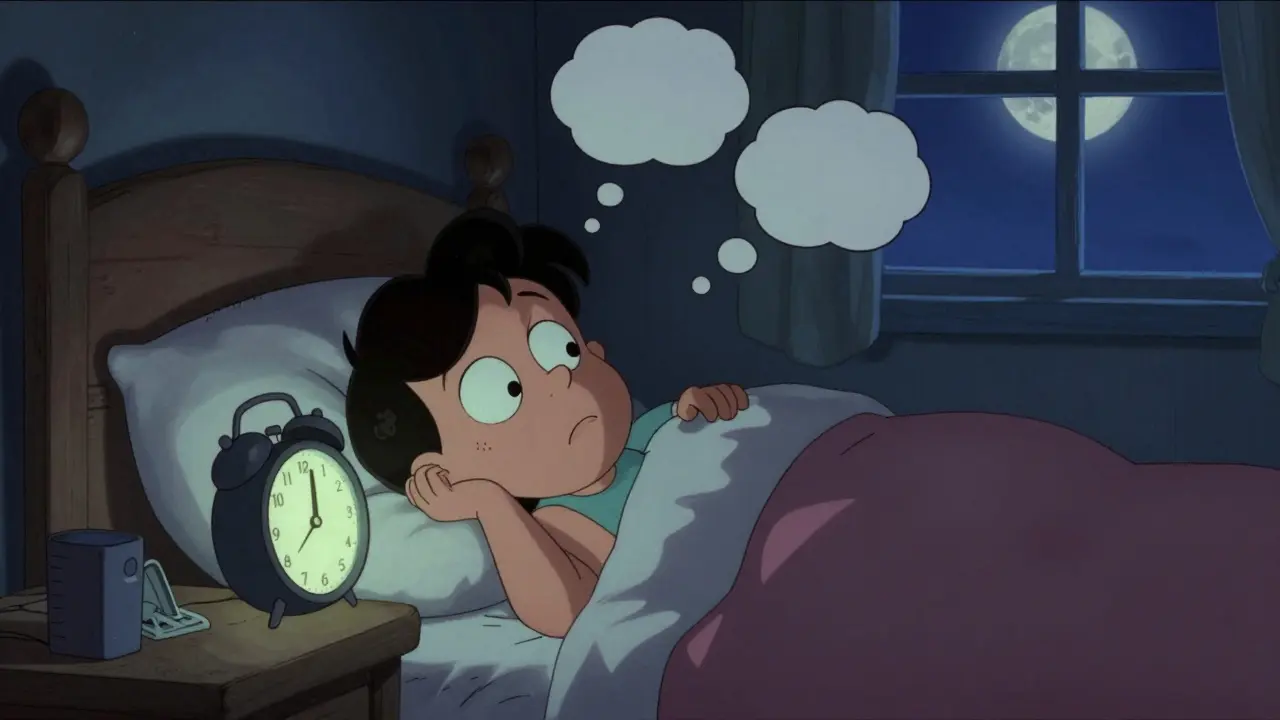
Waking up exhausted after spending eight hours in bed is a nightmare most people don’t talk about enough. If you’ve been struggling to fall asleep or stay asleep for more than three months, you aren’t just tired-you likely have chronic insomnia, defined by the American Academy of Sleep Medicine as persistent sleep difficulties occurring at least three nights a week for over three months. It’s not a phase; it’s a condition that requires a structured approach, not just a new pillow.
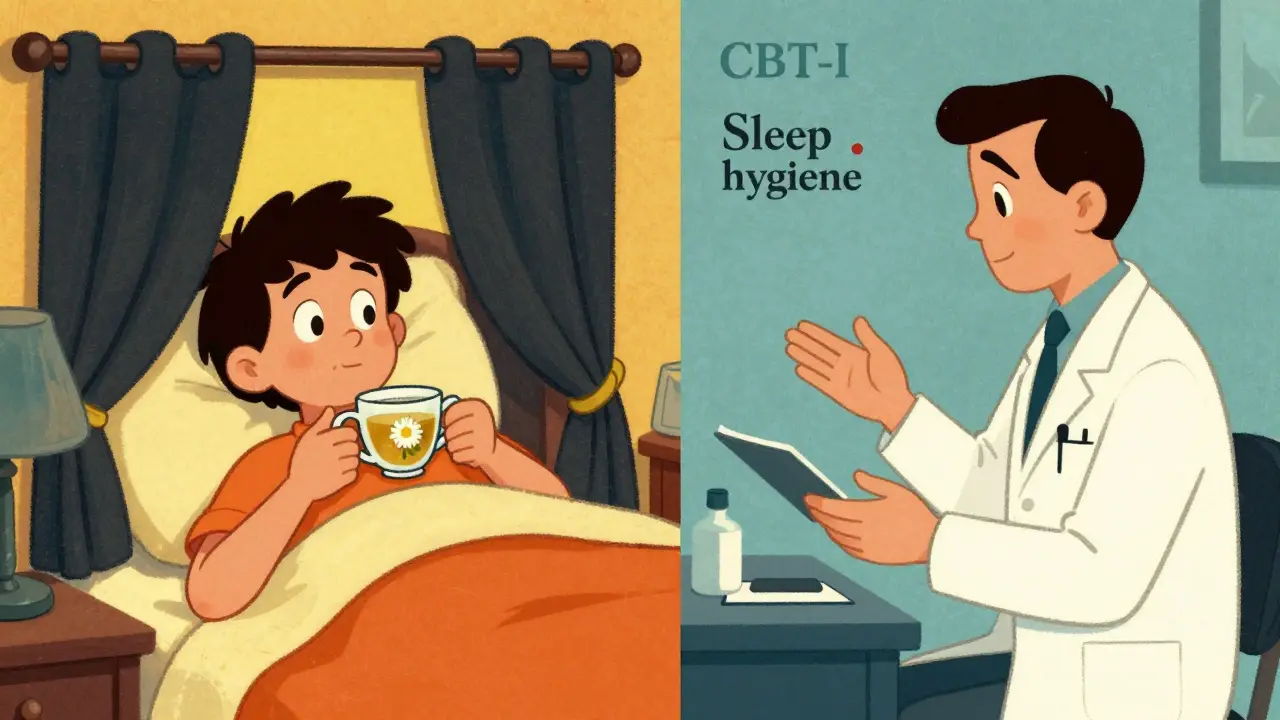
You might have heard that "sleep hygiene" is the cure-all. Keep your room cool, avoid screens, drink chamomile tea. These are good habits, but here is the hard truth: sleep hygiene alone rarely fixes chronic insomnia. Clinical guidelines from the American College of Physicians and major sleep organizations consistently point to one gold-standard treatment: Cognitive Behavioral Therapy for Insomnia (CBT-I). This isn’t just talking about your feelings; it’s a rigorous, evidence-based protocol that rewires how your brain handles sleep.
The Myth of Standalone Sleep Hygiene
We need to clear up a massive misconception right away. Many patients assume that if they just optimize their bedroom environment, the insomnia will vanish. Dr. Jack D. Edinger, a leading researcher in this field, explicitly warns that "sleep hygiene education alone is minimally effective for chronic insomnia." The Health.mil Patient Guide reinforces this: do not use sleep hygiene as a standalone treatment.
Sleep hygiene acts as a foundation, not the house. Think of it like dieting. Eating vegetables is great, but if you’re still consuming high-sugar junk food, you won’t lose weight. Similarly, keeping your bedroom at the optimal 65°F (18.3°C) and using blackout curtains helps, but it doesn’t address the anxiety and conditioned arousal that keep you awake. To truly treat chronic insomnia, you need to tackle the psychological and behavioral drivers directly.
- Caffeine cutoff: Eliminate caffeine 6 hours before bedtime.
- Alcohol limits: Limit to 1-2 drinks, finished 4 hours before sleep.
- Fluid management: Stop drinking fluids after 7 PM to reduce nocturia (waking up to urinate).
- Light control: Use blackout curtains or eye masks to eliminate light exposure.
These steps are necessary, but without the behavioral changes found in CBT-I, they are often insufficient for long-term relief.
How CBT-I Rewires Your Brain
CBT-I works by addressing the three factors of insomnia: predisposing traits, precipitating events, and perpetuating behaviors. It’s a multi-component therapy typically delivered over 6-8 weekly sessions. The goal? To break the cycle of anxiety and wakefulness that defines chronic insomnia.
The core components are intense but effective:
- Stimulus Control Therapy: This reassociates your bed with sleep, not wakefulness. You only lie down when sleepy. If you can’t fall asleep within 15-20 minutes, you get out of bed and do something boring until you’re tired again. No phones, no TV. Just quiet activity.
- Sleep Restriction: This sounds counterintuitive, but it’s powerful. You limit your time in bed to match your actual sleep time. If you only sleep 6 hours but spend 9 hours in bed, you restrict yourself to 6 hours initially. This creates mild sleep deprivation, which increases "sleep drive" and consolidates sleep.
- Cognitive Restructuring: You challenge maladaptive beliefs like "I must get 8 hours or I’ll fail tomorrow." A 2019 study in the Journal of Clinical Sleep Medicine showed this reduces sleep-related anxiety in 65% of patients.
- Relaxation Training: Techniques to lower physiological arousal before bed.
Dr. Rachel Manber from Stanford University puts it perfectly: "CBT-I changes the relationship with sleep, whereas medications merely mask the symptoms."
CBT-I vs. Medication: The Data Doesn't Lie
If you’ve relied on sleeping pills, you know the struggle. Sedative-hypnotics like zolpidem or eszopiclone work short-term, but efficacy drops after 4-6 weeks, and dependence risks rise. CBT-I offers a sustainable solution.
| Treatment Type | Long-Term Efficacy | Risk of Dependence | Impact on Daytime Function |
|---|---|---|---|
| CBT-I | High (Benefits persist 12+ months) | None | Significant improvement in fatigue and mood |
| Sedative-Hypnotics | Low (Benefits disappear after discontinuation) | Moderate to High | Minimal impact on daytime anxiety |
| Sleep Hygiene Alone | Low | None | Marginal improvement |
A 2020 meta-analysis in Sleep Medicine Reviews highlighted that CBT-I reduced sleep onset latency by an average of 18.2 minutes and wake after sleep onset by 27.4 minutes-significantly better than pharmacotherapy. More importantly, these gains stick. Medications stop working when you stop taking them; CBT-I skills remain yours forever.
The Reality of Implementation: It Gets Hard Before It Gets Better
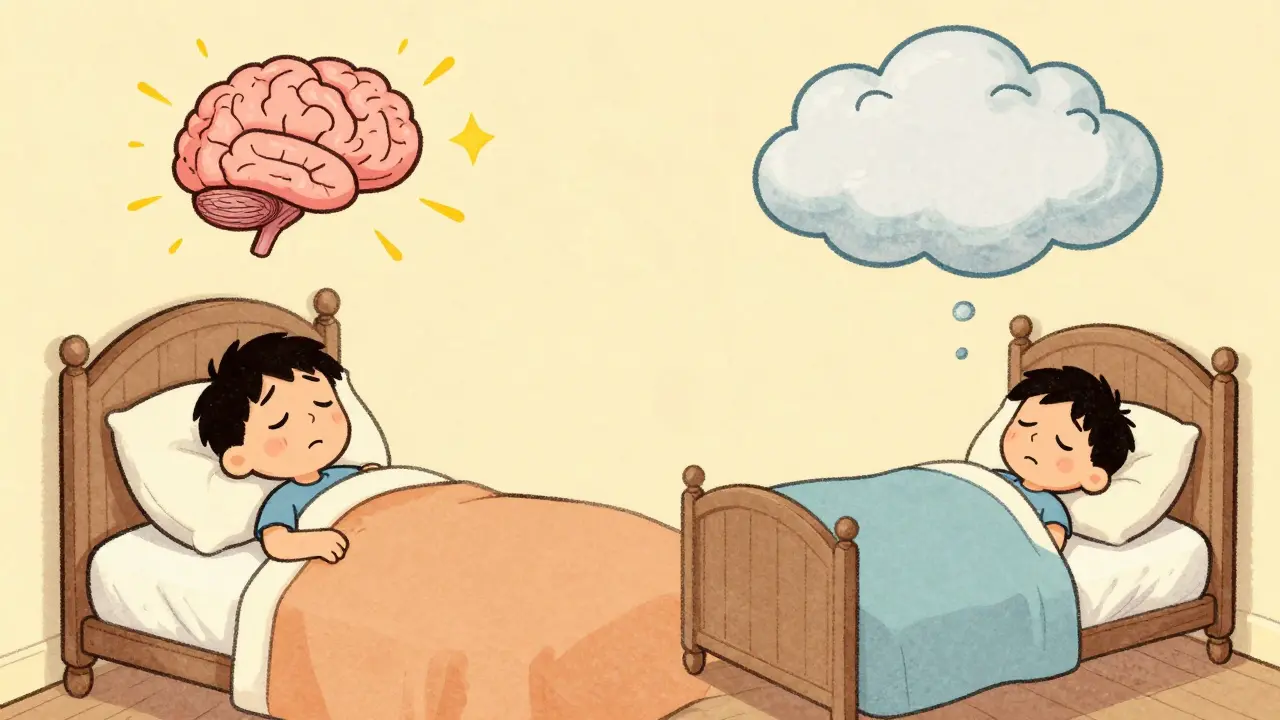
Let’s be honest: CBT-I is not easy. The sleep restriction component is often described as "brutal" by users. During the first two weeks, you may feel more tired as your body adjusts to the restricted time in bed. About 62% of users report initial worsening of sleep during this phase. It’s tough, but it’s temporary.
Adherence is the biggest hurdle. Maintaining a consistent wake-up time, even on weekends, is critical. Yet, 68% of beginners fail to keep this consistency initially. Here is the key: you must trust the process. The learning curve spans 2-4 weeks for initial improvement, with full benefits realized after 8-12 weeks.
User experiences from communities like Reddit’s r/insomnia reflect this journey. One user noted, "After 8 weeks of CBT-I, my sleep efficiency increased from 68% to 89%-I now fall asleep in 15 minutes instead of 2 hours." Another admitted, "The sleep restriction part was brutal for the first two weeks but worth it long-term."
Digital Options and Access Barriers
One major limitation of CBT-I is access. There are only 0.5 certified therapists per 100,000 people in the US, and 78% of rural counties lack sleep specialists. However, digital health has changed the game.
Internet-based CBT-I programs like Sleepio and SHUTi have shown remarkable success. A 2021 JAMA Internal Medicine trial found 50-60% remission rates in insomnia severity for digital users, compared to 15-20% in control groups. FDA-cleared apps like Somryst offer guided protocols that mimic therapist-led sessions. While not a perfect substitute for human interaction, they provide a scalable, evidence-based alternative for those who cannot find a local specialist.
Look for programs that include:
- Personalized sleep restriction plans based on your sleep diary data.
- Cognitive restructuring exercises tailored to your specific anxieties.
- Progress tracking via the Insomnia Severity Index (ISI).
As Dr. Andrew Krystal predicts, CBT-I will become the standard of care for 90% of chronic insomnia cases within the next decade. The shift is happening. The question is whether you’re ready to put in the work to reclaim your sleep.
Is CBT-I covered by insurance?
Coverage varies significantly by provider and plan. As of 2023, the National Sleep Foundation reports that only 38% of recommended CBT-I sessions are covered by typical insurance plans. Some plans cover digital therapeutics like Somryst, while others require out-of-pocket payment for therapist-led sessions. Always check with your insurer regarding "behavioral sleep medicine" codes.
How long does it take for CBT-I to work?
Most patients see initial improvements in sleep quality and daytime functioning within 2-4 weeks. However, full benefits are typically realized after completing the full 6-8 week protocol. Consistency is key; skipping sessions or ignoring sleep restriction rules can delay results.
Can I do CBT-I on my own without a therapist?
Yes, through self-help workbooks or FDA-cleared digital apps. While therapist-led CBT-I is ideal, studies show that structured digital programs can achieve similar remission rates (50-60%) for many individuals. The key is following the protocol strictly, especially the sleep restriction and stimulus control components.
Why is sleep restriction so difficult?
Sleep restriction intentionally induces mild sleep deprivation to build "sleep pressure." This makes falling asleep easier and keeps you asleep longer. The difficulty comes from fighting the urge to stay in bed when you’re tired but not asleep. It feels counterintuitive, but it resets your body’s natural sleep-wake cycle.
What is the Insomnia Severity Index (ISI)?
The ISI is a validated assessment tool used to measure the severity of insomnia symptoms. Scores range from 0 to 28. A score of 15-21 indicates moderate insomnia, while 22-28 indicates severe insomnia. It helps clinicians track progress and determine if treatment adjustments are needed.


12 Comments
It is rather disheartening to observe the persistent tendency of the layperson to conflate rudimentary environmental adjustments with genuine therapeutic intervention, a confusion that this article attempts to clarify but which many still fail to grasp in their entirety. The notion that one might simply adjust the ambient temperature or eschew electronic devices and thereby cure a condition rooted in deep-seated cognitive dysregulation is not only naive but intellectually lazy, reflecting a broader societal misunderstanding of psychiatric and sleep medicine complexities. I have spent considerable time reviewing the literature on Cognitive Behavioral Therapy for Insomnia, and it is evident that the structured nature of CBT-I addresses the perpetuating factors of insomnia, such as conditioned arousal and maladaptive beliefs, which sleep hygiene merely ignores or inadequately mitigates. While the author correctly identifies sleep hygiene as a foundation rather than the house itself, one must acknowledge that the implementation of CBT-I requires a level of discipline and psychological resilience that is often lacking in the general population, leading to high dropout rates despite its proven efficacy. It is also worth noting that the accessibility issues mentioned are indeed significant, yet the push towards digital therapeutics, while convenient, may lack the nuanced personalization required for individuals with comorbid conditions, thus potentially undermining the very benefits the article so enthusiastically promotes.
Hey there! I totally get why people think sleep hygiene is enough because its what everyone talks about first. But honestly i went through CBT-I last year and it was a game changer even though it felt really hard at the start. The sleep restriction part made me feel like i was going crazy for those first two weeks because i was so tired during the day but once my body adjusted i started falling asleep almost instantly. If anyone is thinking about trying it just know that sticking to the wake up time is super important even if you didnt sleep well the night before. Its tough but it works better than any pill i tried before. Hope this helps someone out there!
The assertion that sleep hygiene is ineffective as a standalone treatment is a gross oversimplification that ignores individual variability and the potential for significant improvement in mild cases. Furthermore, the characterization of CBT-I as the unequivocal gold standard disregards the substantial financial and temporal barriers that render it inaccessible to the majority of the population, effectively creating a two-tiered system of care where only the privileged can afford the 'correct' treatment. It is also deeply ironic that the medical community promotes a therapy that intentionally induces suffering-sleep deprivation-as a solution, rather than addressing the root causes of stress and anxiety in modern life. One might argue that the problem is not our inability to sleep, but our unwillingness to rest without productivity, a cultural issue that no amount of stimulus control therapy will resolve.
Oh, please. Let us not pretend that CBT-I is some magical panacea for all sleep woes; it is merely another rigid protocol designed to enforce compliance rather than heal the underlying trauma or physiological imbalance that often drives chronic insomnia. The idea that one can simply 'rewire' their brain through behavioral exercises is a testament to the arrogance of Western medicine, which consistently fails to recognize the holistic nature of human health. I have seen countless patients fail these programs because they are too busy working three jobs to sit in bed doing breathing exercises, yet here we are, blaming them for their lack of adherence instead of acknowledging the systemic failures that keep them awake in the first place. Do not be fooled by the statistics; they do not account for the emotional toll of being forced into a regimen that feels like punishment rather than care.
In my culture, we often view sleep not merely as a biological necessity but as a sacred period of restoration that connects us to our ancestors and the universe; therefore, the disruption of this cycle is seen as a profound spiritual disconnection that cannot be solved solely by clinical protocols. While I appreciate the scientific rigor behind CBT-I, I believe that integrating traditional practices such as meditation, herbal remedies, and mindful breathing techniques can provide a more compassionate and effective approach to healing insomnia. The emphasis on strict time limits and behavioral restrictions can sometimes create additional anxiety, whereas a gentler, more intuitive approach to sleep might allow the body to find its natural rhythm without the pressure of performance metrics. We must remember that health is a journey of balance, not just a series of data points to be optimized.
I must confess that I found the entire premise of this article to be somewhat tedious and overly focused on the mundane aspects of sleep mechanics, which frankly bores me to tears. As someone who has endured the exquisite agony of chronic insomnia for years, I can assure you that no amount of cognitive restructuring will ever compare to the sheer relief of a good night’s sleep, regardless of how it is achieved. The suggestion that one should endure two weeks of brutal sleep deprivation is nothing short of masochistic, and I refuse to subject myself to such barbaric practices when there are other options available, however imperfect they may be. Let us not forget that sleep is a luxury, not a right, and those who suffer from insomnia are often fighting a battle that the well-rested can scarcely comprehend.
There is a certain poetry in the way we struggle with sleep, isn't there? Like trying to catch smoke with bare hands, we reach for solutions that slip through our fingers, leaving us exhausted and frustrated. I’ve always believed that insomnia is the mind’s way of refusing to let go of the day, clinging to every worry and thought until the sun rises again. While CBT-I offers a structured path to release this grip, I wonder if we might also benefit from embracing the quiet moments of wakefulness as opportunities for reflection rather than battles to be won. Perhaps the key lies not in forcing sleep but in learning to dance with the darkness, finding comfort in the stillness that surrounds us when the world finally quiets down.
You got this! Just stick to the plan and dont give up even if it feels hard at first. I know its tough but trust me it gets better after a few weeks. Keep your room dark and cool and try not to look at your phone before bed. You can do it!
Look, I’m here to support whoever is reading this and wants to tackle their insomnia head-on, because let’s face it, the sleep architecture mess you’re dealing with is real and it sucks. The neurocognitive load of lying there staring at the ceiling is immense, and CBT-I essentially acts as a behavioral reset button for your circadian entrainment mechanisms. I’ve seen folks struggle with the stimulus control component because it goes against every instinct you have to just stay in bed and wait for sleep, but man, when you finally break that conditioned association between the bed and wakefulness, it’s like flipping a switch. Don’t let the initial dip in sleep efficiency scare you off; that’s just your homeostatic sleep drive kicking into overdrive to consolidate your REM cycles later on. We’re in this together, and getting your sleep hygiene aligned with proper cognitive restructuring is the ultimate win-win for your overall wellness trajectory.
Hah! Another article telling us that we need to work harder to sleep, as if we aren't already exhausted from living in this capitalist nightmare. :P The idea that CBT-I is the 'gold standard' is just a fancy way of saying that insurance companies don't want to pay for actual therapy or medication, so they force you to do all the labor yourself. Meanwhile, the big pharma reps are probably laughing all the way to the bank while you're counting sheep and restricting your sleep window. It's absurd that we've turned sleep into a productivity metric, something to optimize and manage like a stock portfolio. Good luck trying to 'rewire your brain' when your boss expects you to answer emails at midnight. ;)
I completely agree with the point about sleep hygiene not being enough on its own. I tried everything from lavender sprays to blackout curtains and it just didnt help much. When i started looking into CBT-I apps it felt overwhelming at first but the step by step guide was really helpful. The part about challenging negative thoughts about sleep was eye opening for me. I used to think if i didnt sleep 8 hours i would ruin my whole day but thats not true. Taking small steps and being consistent is key. Hope others find success with this too!
I hope this information brings some clarity to those struggling with sleep issues. It is encouraging to see that there are evidence-based treatments available that can offer long-term relief without the risks associated with medication. Remember that progress takes time and consistency is crucial. Be kind to yourself during the process and celebrate small victories along the way. You are not alone in this journey.
Write a comment