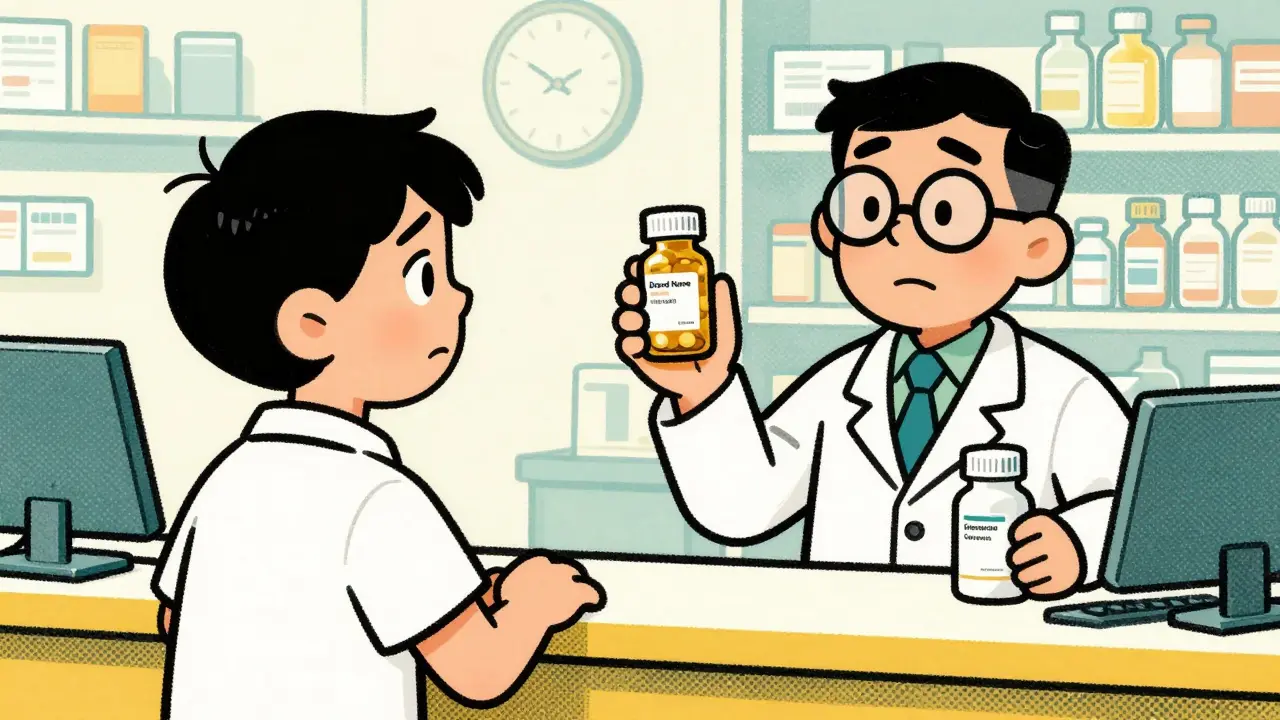
You’ve probably been there at the pharmacy counter: the pharmacist tells you they have a generic version of your prescription that costs a fraction of the price. For a second, you wonder if it's actually the same thing. Does a cheaper pill mean a higher risk of a bad reaction when you take it with your morning coffee or your other medications? It’s a common worry, but the short answer is that drug interactions are almost always tied to the active ingredient, not the brand name on the box.
When we talk about Drug Interactions is a situation where the effects of one medication are altered by the presence of another substance, such as other drugs, food, or supplements , we are usually talking about the chemistry of the medicine itself. Whether you buy the expensive brand or the budget-friendly generic, that chemistry remains the same. This means if a brand-name drug interacts poorly with a certain herbal tea, its generic twin will likely do the same thing.
What actually makes a drug "generic"?
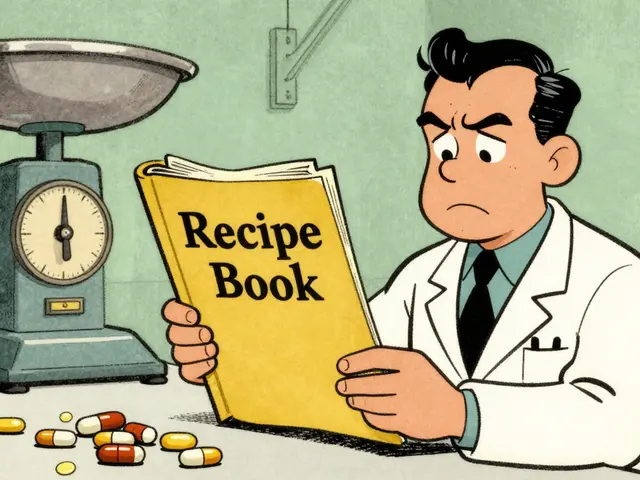
To understand why the risk is the same, you have to look at how these drugs are approved. In the US, the FDA is the federal agency responsible for protecting public health by ensuring the safety, efficacy, and security of human drugs requires generic drugs to be "bioequivalent." This doesn't mean they are identical clones in every single way, but they must deliver the same amount of active ingredient into your bloodstream in the same amount of time as the brand-name version.
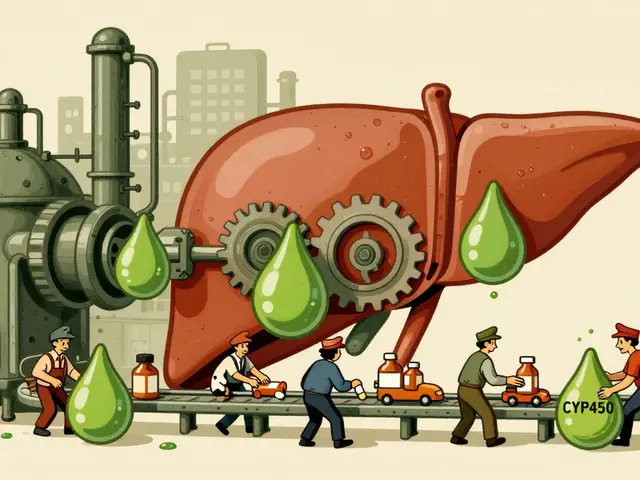
For most medications, the FDA allows a range where the generic's absorption is between 80% and 125% of the brand name. While that sounds like a wide gap, the actual average difference is usually less than 5%. Because they use the same active pharmaceutical ingredient (API), the way the drug interacts with your liver enzymes or other medications remains consistent.
| Feature | Brand-Name Medication | Generic Medication |
|---|---|---|
| Active Ingredient | Original formula | Identical to brand |
| Inactive Ingredients (Excipients) | Specific to manufacturer | Can differ from brand |
| Approval Process | Full clinical trials | Bioequivalence studies |
| Interaction Risk (Active) | Based on API chemistry | Same as brand |
The role of inactive ingredients
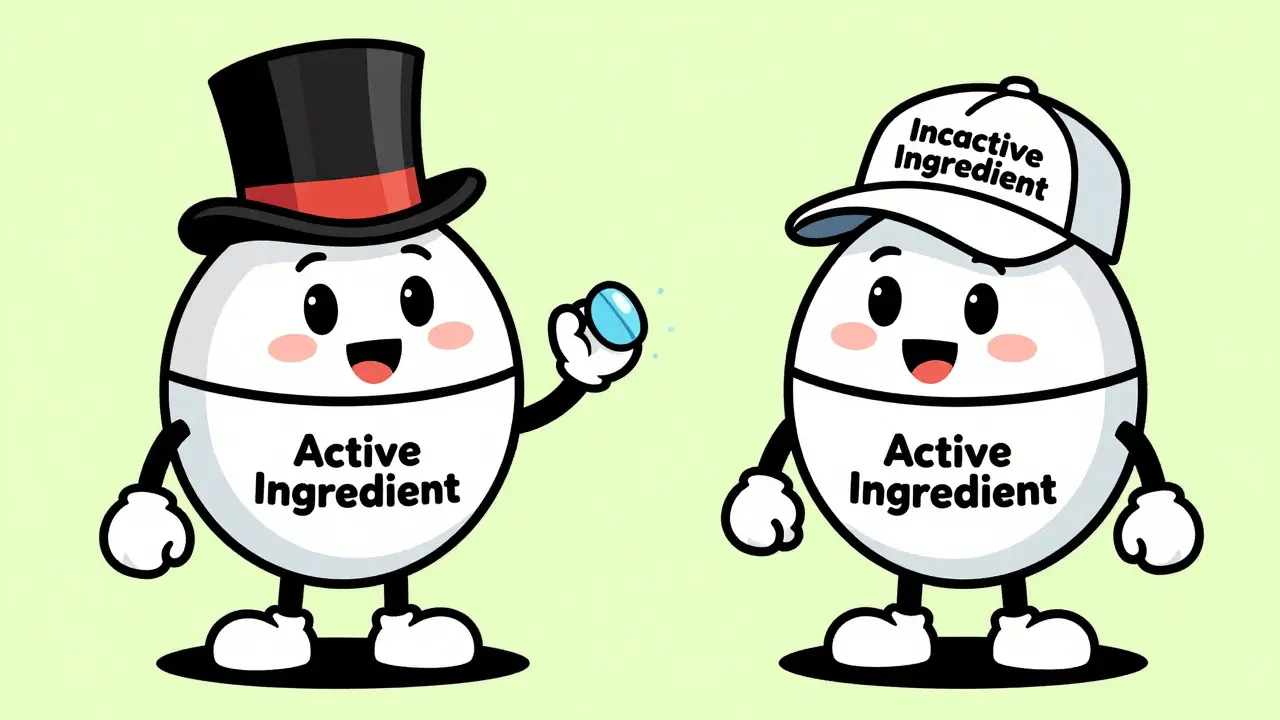
If the active part is the same, why do some people swear they feel a difference? The answer lies in the Excipients is inactive substances like fillers, binders, and coloring agents used to formulate a medication . While these don't change how the drug treats your illness, they can change how your body reacts to the pill itself.
For example, if a generic version uses lactose as a filler and you are severely lactose intolerant, you might experience stomach upset. This isn't a "drug interaction" in the chemical sense, but it is a reaction to the medication. Rare allergies to specific dyes or preservatives can also occur. This is why a person might feel "different" when switching brands, even though the medicine's core effect is unchanged.
Do the numbers actually show a difference?
When you look at the data, the gap between brand and generic safety is virtually non-existent. A study published in Scientific Reports looked at 17 different cardiovascular drugs and found that generics were actually similar-and in some cases even better-than brands regarding mortality rates and major heart-related events. In fact, the hazard ratio for major adverse cardiac events was actually lower for generic users.
Even the FDA Adverse Event Reporting System (FAERS) shows a negligible difference. Between 2015 and 2020, adverse events related to drug interactions were reported in 0.78% of brand-name cases and 0.82% of generic cases. Statistically, that's a tie. Your risk of a dangerous interaction depends on the drug's molecular structure, not its price tag.
When should you be extra cautious?
While 95% of people can switch between brands and generics without a second thought, there is a small group of medications where precision is everything. These are known as Narrow Therapeutic Index (NTI) Drugs is medications where a small change in dosage or blood concentration can lead to serious toxicity or treatment failure .
For NTI drugs-like certain blood thinners or seizure medications-even a tiny fluctuation in how much drug enters your blood can matter. Because different generic manufacturers might sit on opposite ends of the FDA's allowed bioequivalence range, switching from "Generic A" to "Generic B" could potentially cause a slight shift in how the drug performs. In these specific cases, your doctor might mark your prescription "Dispense as Written" to ensure you stay on one consistent formulation.
Dealing with the "Nocebo Effect"
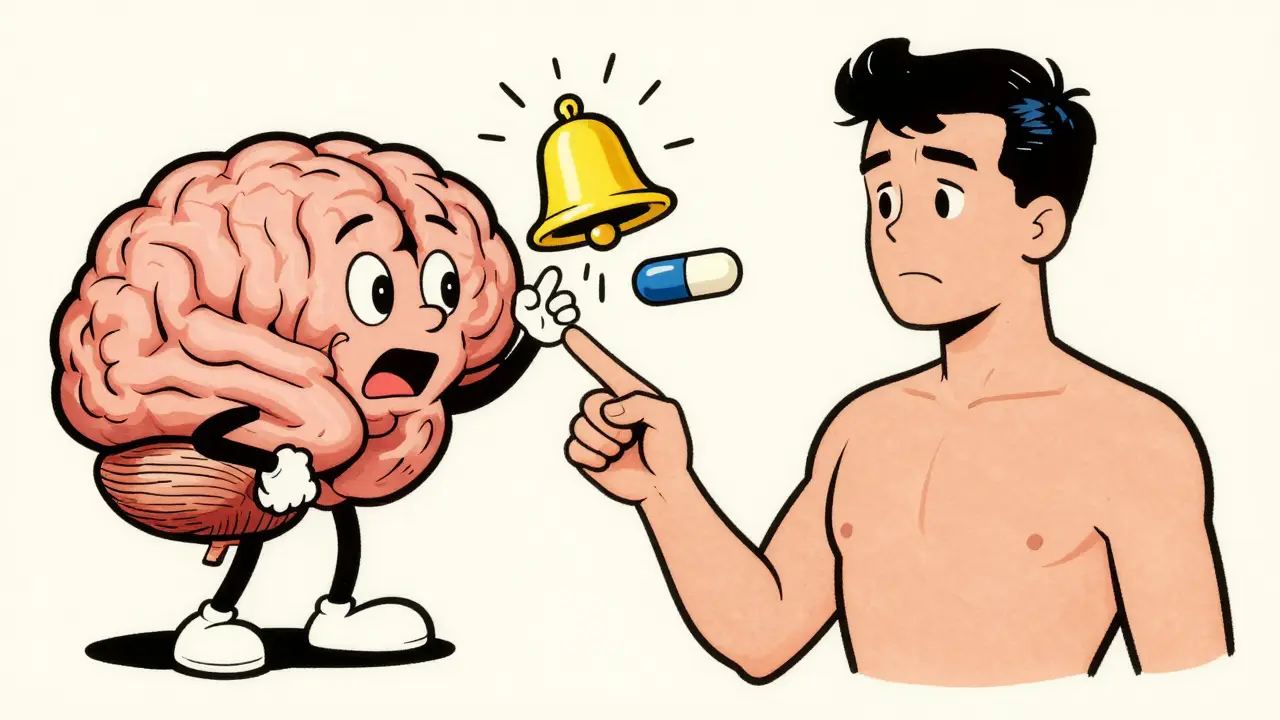
Have you ever noticed that some people feel worse just because they know they're taking a cheaper version of a drug? This is a real psychological phenomenon called the nocebo effect. Data from WebMD forums showed that complaints about generic drugs spike by 37% in the first three months after a new generic hits the market, but then those complaints drop back to normal levels.
Our brains are powerful. If we believe a generic is "less powerful" or "more risky," we might actually perceive more side effects. This isn't a chemical interaction; it's a mental one. Most users who report a difference in interaction effects are often reacting to the change in the pill's color, shape, or the stress of switching medications.
Will my generic drug interact with my vitamins?
Yes, if the brand-name version would interact with those vitamins, the generic will too. Since they share the same active ingredient, the chemical interaction with supplements remains the same regardless of the brand.
Can a generic drug cause a new allergy?
It is possible, but not because of the medicine itself. Generics use different inactive ingredients (fillers and dyes). If you are allergic to a specific filler used in a generic version but not in the brand name, you could have an allergic reaction.
Why does my doctor insist on the brand name for some meds?
This usually happens with Narrow Therapeutic Index (NTI) drugs. For these, even a small difference in absorption between different generic manufacturers could affect the drug's efficacy or safety, so consistency is key.
Are generics tested for interactions?
Generics don't need to redo full interaction studies because they are required to be bioequivalent to the brand name. The FDA assumes that if the active ingredient is the same and the absorption is the same, the interaction profile will also be the same.
Is there any case where a generic is safer?
In terms of chemical interactions, they are equal. However, some large-scale studies on cardiovascular drugs have suggested that generic users had slightly lower rates of major adverse cardiac events compared to brand-name users, though this may be due to other patient factors.
What to do if you're worried about a switch
If you are moving from a brand-name drug to a generic and feel anxious, the best move is to be proactive. Keep a simple log for the first two weeks. Note any changes in how you feel, especially if you're taking other medications. If you notice a genuine shift in side effects, don't panic-just call your pharmacist.
Ask your pharmacist to check the "Orange Book" if you suspect an inactive ingredient is causing trouble. They can identify the specific fillers used in your generic version and compare them to the brand name. In most cases, you'll find that the "risk" is simply a myth, and you can save a significant amount of money without sacrificing your health.
8 Comments
Sure, the FDA says it's fine, but who actually funds the FDA? Follow the money. We are importing these generics from God-knows-where and just trusting that the "bioequivalence" is actually being checked. It's a joke. The brand name is the only way to ensure you aren't getting some diluted sludge from a factory across the ocean. Just saying, stay woke about where your pills actually come from.
haha yeah totally trust the gov on this one guys just take whatever they give you and dont think about the additives they hide in those generic fillers its all for our own good right
ppl really believe this stuff lol just a way for big pharma to make money on both ends
Oh, wonderful. Another article telling us to trust the glorious regulatory bodies. Because if there's one thing known for being infallible, it's a government bureaucracy. I'm sure the "average 5% difference" is totally irrelevant for everyone, except, you know, the people who actually have to take the meds. Truly groundbreaking analysis here.
Omg I had the same thing happen with my meds!! I felt so dizzy for a week and my husband said I was just imagining it but I KNEW something was off 😱 You guys have to be so careful with these things because the companies don't care about us!! Just check every single ingredient list yourself!!
Excipients matter. Too much. I had a reaction to a dye once!! Be careful, everyone!!
it is interesting how we worry about the price and the name but the heart of the medicine is what really matters in the end i think we should just be thankful we have options that make it cheaper for the poor people to get healthy
The part about NTI drugs is a crucial nuance that often gets glossed over in these conversations. When dealing with medications like warfarin or digoxin, the therapeutic window is incredibly slender, meaning the margin between a healing dose and a toxic dose is razor-thin. It's not just about the API, but the pharmacokinetic profile-how the drug is absorbed, distributed, metabolized, and excreted. A slight shift in the dissolution rate of a generic tablet could lead to transient peaks or troughs in plasma concentration, which for most is irrelevant, but for an NTI patient can be the difference between stability and a hospital visit. Always advocate for yourself and your specific clinical needs when discussing these switches with your provider!
Write a comment