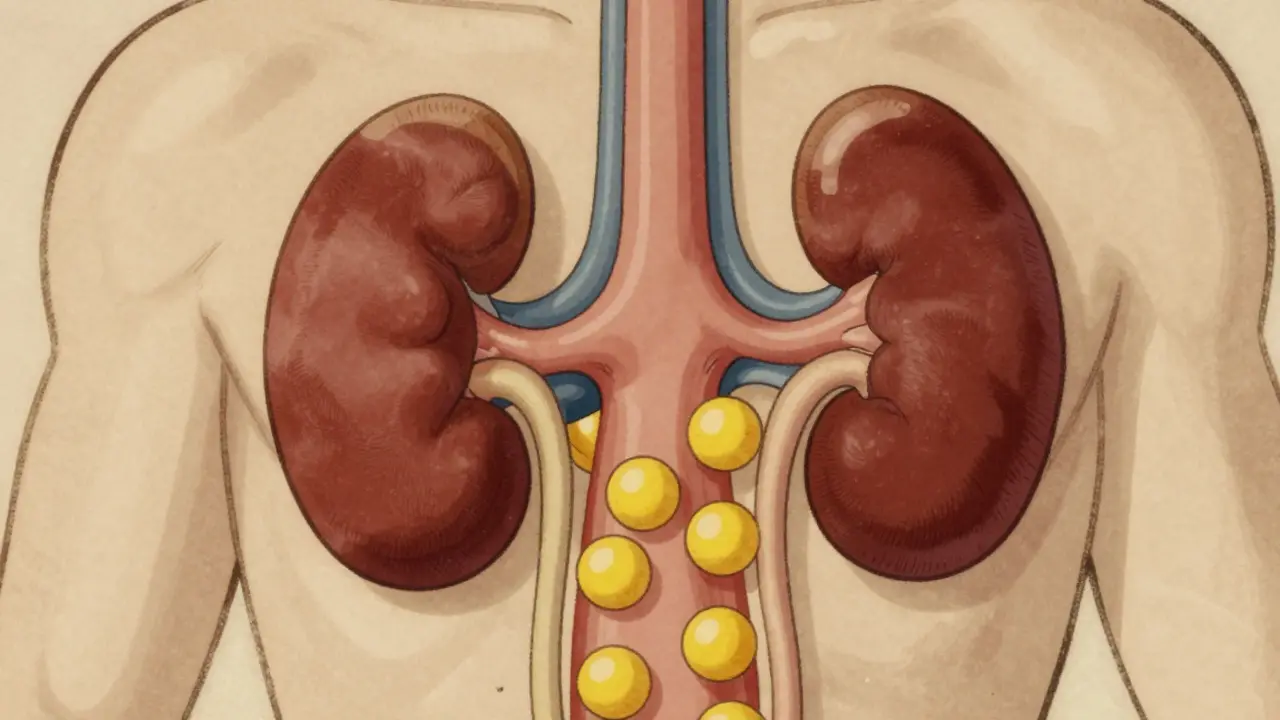
euDKA Risk Monitor & Surgical Planner
Immediate Warning Signs
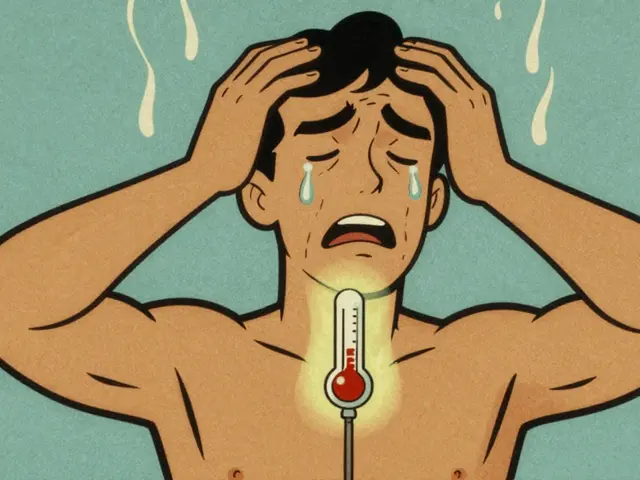
If you are taking an SGLT2 inhibitor (ending in -flozin), check these boxes if you experience them:
Testing Guidelines:
- Test blood ketones immediately.
- Contact your provider.
- If unable to reach care, go to ER.
Lifestyle & Context Risks
Based on FDA data, these factors significantly raise euDKA risk:
*This is an educational visual aid, not a diagnosis.
Elective Surgery Preparation
According to clinical guidelines (AACE/EASD):
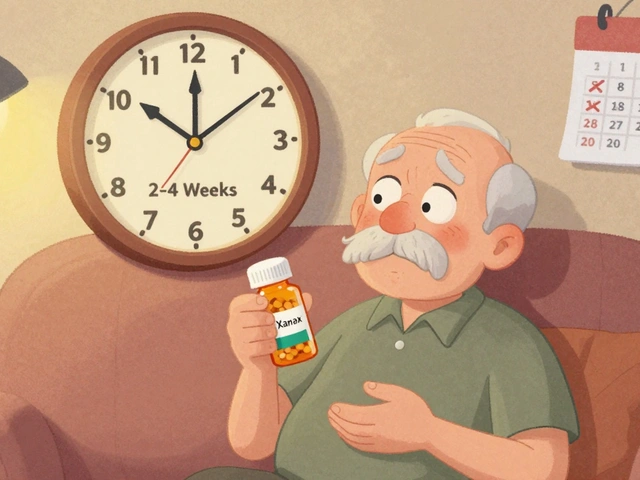
SGLT2 inhibitors should generally be held at least 3 full days prior to elective surgery to prevent osmotic diuresis complications.
Stop Medication By:
The Hidden Danger of Normal Blood Sugar
If you've been prescribed medication for type 2 diabetes, you likely trust your doctor's plan. Many of the newer drugs on the market look safer than older insulin-based regimens because they lower blood glucose without spiking it dangerously low. However, there is a complication hiding in plain sight. It goes by a name that confuses doctors: euglycemic diabetic ketoacidosis, or euDKA. This condition allows your body to slip into a life-threatening acidic state even when your glucose meter shows numbers that seem relatively safe. While these medications offer massive heart and kidney benefits, understanding this specific risk is the difference between routine management and an emergency room visit.
Understanding SGLT2 Inhibitors
To grasp why this risk exists, we need to look at how these drugs work differently from traditional treatments.
SGLT2 Inhibitors are a class of antihyperglycemic medications approved for type 2 diabetes management that work by inhibiting glucose reabsorption in the proximal renal tubule, promoting urinary glucose excretion. First introduced with canagliflozin (Invokana) approved by the FDA in March 2013, this drug class now includes dapagliflozin (Farxiga, approved January 2014), empagliflozin (Jardiance, approved August 2014), and ertugliflozin (Steglatro, approved December 2017). Gliflozins, commonly referred to as "flozins". These medications act like a bypass for your kidneys, forcing excess sugar out through urine rather than keeping it in the bloodstream.You might know them by their brand names. They are widely used because trials like EMPA-REG OUTCOME (2015) showed they reduce heart failure hospitalizations. But here is the mechanism shift: normally, your kidneys hold onto sugar. These drugs tell your kidneys to let go. When you lose sugar in your urine, your body thinks it is starving, even if your blood sugar isn't zero. To fuel itself, your body starts burning fat. Burning fat produces ketones. If you produce too many ketones too fast, your blood becomes acidic. That is ketoacidosis.
The Problem with Euglycemic DKA
In classic diabetic ketoacidosis (DKA), usually seen in type 1 diabetes, blood sugar spikes above 250 mg/dL. That red flag is easy for doctors to spot. With SGLT2-associated DKA, the blood sugar stays below that threshold, often hovering around 130 to 200 mg/dL. This creates a false sense of security.
Diabetic Ketoacidosis is a serious acute complication of diabetes characterized by hyperglycemia, ketonemia, and metabolic acidosis. However, in the context of SGLT2 inhibitors, the defining feature shifts to acidosis occurring despite near-normal glucose levels.According to the European Medicines Agency's Pharmacovigilance Risk Assessment Committee (PRAC), which completed a formal review in June 2023, rare cases of this condition have occurred where patients presented without the expected high blood sugar levels. Dr. Anne Peters, Director of the University of Southern California Center for Diabetes, noted in a 2022 commentary that euDKA represents 30-40% of all DKA cases in SGLT2 inhibitor users. Imagine walking into an urgent care with vomiting and shortness of breath, showing a glucose reading of 180 mg/dL, and being sent home because the doctor doesn't suspect acidosis. That delay significantly increases mortality.

Real-World Incidence and Triggers
Is this risk theoretical, or does it happen in daily practice? Real-world data suggests it is a genuine concern for specific subgroups. A 2023 analysis of FDA Adverse Event Reporting System data (covering 2013-2022) identified 1,247 DKA cases associated with SGLT2 inhibitors. Of those, nearly half-48.7%-were classified as euglycemic DKA. The median time to onset was 28 weeks after starting therapy, meaning the risk builds over months, not hours.
Why does it happen? It rarely occurs in isolation. It usually needs a trigger. We call these precipitating factors:
- Acute Illness: Even a common flu or gastro bug can spike stress hormones and dehydrate you, making ketones rise. Data shows 32.7% of cases followed an illness.
- Low Carbohydrate Diets: If you are on a strict keto diet while taking a gliflozin, you are double-dipping on ketone production. One analysis showed DKA occurring in 2.4% of SGLT2 inhibitor users with low C-peptide levels versus 0.6% in those with higher beta-cell function.
- Surgery and Fasting: Stopping insulin or eating during a pre-op window leaves your body relying on fat stores.
- Insulin Reduction: Suddenly lowering your insulin dose without guidance creates a perfect storm for ketones.
Risk Factors You Cannot Ignore
Not everyone faces the same danger level. Your baseline physiology matters. Studies indicate the risk is significantly higher if you have less remaining natural insulin production. An analysis published in Diabetes Care by Rubino et al. found DKA occurring more frequently in users with C-peptide levels below 1.0 ng/mL. This essentially means people whose pancreas has already worked very hard are more prone to slipping into euDKA.
Alcohol consumption also plays a role. About 7.8% of reported cases involved a binge drinking episode. Alcohol stops the liver from making new glucose and pushes fat metabolism forward, accelerating the slide toward acidity.
| Feature | Classic DKA | euDKA (SGLT2) |
|---|---|---|
| Blood Glucose | >250 mg/dL | <250 mg/dL (often normal) |
| Precipitating Factor | Missed Insulin | Illness, Surgery, Low Carb |
| Onset Timeframe | Days to Weeks | Median 28 Weeks Post-Start |
| Mortality Rate | ~2.1% | ~4.3% |

Clinical Guidelines for Safety
Weighing the cardiovascular benefits against this risk requires a strategy, not just fear. The American Association of Clinical Endocrinologists (AACE) released a 2023 guideline with clear instructions. If you are planning elective surgery, you must stop the medication minimum 3 days prior. This buffer clears the drug from your system and reduces the osmotic diuresis effect. Similarly, the European Association for the Study of Diabetes (EASD) consensus report advises checking ketone levels in patients presenting with nausea, vomiting, or abdominal pain, even if blood glucose is under 250 mg/dL.
This protocol change is critical. If you feel ill, do not skip the blood test; you must test for ketones. Urine ketone strips are convenient but lag behind blood measurements. For immediate clinical decisions, serum ketones are preferred. A 2022 study in Diabetes Care demonstrated that patient education on these symptoms and monitoring reduced DKA incidence by 67% among users. Knowledge acts as a shield.
Are the Benefits Worth the Risk?
This is the question your doctor weighs every day. Landmark trials proved that drugs like empagliflozin reduce the risk of dying from cardiovascular causes. A 2025 systematic review in Diabetologia concluded that while the absolute increase in DKA risk is roughly 0.13 events per 100 patient-years, the protection offered to the heart and kidneys outweighs this for most type 2 patients. However, this math changes if you have a history of recurrent DKA or insulin-dependent diabetes with very low insulin reserves.
Frequently Asked Questions
Can I still take SGLT2 inhibitors if I eat a keto diet?
It is generally advised to exercise extreme caution. Combining a ketogenic diet with SGLT2 inhibitors significantly raises the probability of ketone buildup. If you choose this path, monitor blood ketones regularly and consult your specialist immediately about dosage adjustments.
How long should I wait after getting the flu before restarting my pills?
Current guidelines suggest holding the medication until you are fully recovered and eating normally again. Typically, wait at least 3 to 4 days after your fever breaks and you resume regular carbohydrate intake. Always ask your provider for personalized timing.
Does this risk apply to Type 1 Diabetes?
SGLT2 inhibitors are not typically first-line for Type 1 Diabetes because the risk of euDKA is much higher due to a lack of basal insulin. Some off-label uses exist, but they require intense monitoring protocols and are generally restricted to specialized centers.
Do newer versions of the drug eliminate this risk?
As of early 2026, companies are developing SGLT1/2 dual inhibitors like licogliflozin, aiming to lower DKA risks. However, currently available brands (Jardiance, Farxiga, Invokana) share this mechanism of action and carry similar warnings. Do not assume newer formulations are risk-free until long-term data confirms safety.
What symptoms mean I should go to the ER immediately?
Seek immediate help if you experience rapid breathing, deep sighing breaths, fruity smell on the breath, confusion, severe fatigue, or persistent vomiting. Do not wait for a high blood sugar reading. Tell the triage nurse specifically: 'I am on an SGLT2 inhibitor and have vomiting.' This flags the correct diagnostic tests.



11 Comments
The data you presented ignores the specific metabolic pathways involved in this mechanism.
My sister deals with type two diabetes every single day.
She was prescribed those flozin drugs last year after her kidney issues worsened significantly.
We thought she was safe because her blood sugar numbers looked perfect on the meter readings.
One morning she called me crying because she felt incredibly weak even though her glucose was normal.
It turned out her body was actually burning fat instead of sugar because of that medication interaction.
The doctors were confused initially since the textbook signs were completely missing during triage.
They finally ran a blood ketone test after my desperate plea that something was definitely wrong internally.
That delay cost us almost a week of recovery time in the hospital unit.
I understand why people trust these new drugs for heart protection honestly.
But nobody talks enough about the silent danger lurking behind those normal daily readings.
You have to watch your water intake and stress levels very closely when taking them.
A simple flu bug can trigger the whole cascade without any warning signs usually.
Please share this information with anyone in your family who might be vulnerable to this condition.
Ignoring the subtle symptoms could lead to emergency situations that are very scary.
Knowledge really does save lives when dealing with complex metabolic shifts like this.
The shadowy handlers of big medicine bury these truths under mountains of red tape designed to protect shareholders.
They push these chemical bypasses down our throats knowing exactly how they twist our internal chemistry.
It is a slow poison disguised as progress to keep the cash registers ringing loud forever.
Think about the timing of approvals versus the onset of reports like this.
We can overcome this!! Science is amazing!!! We just need to stay smart and safe together!!!!
Every challenge leads to greater safety protocols eventually!!!!!
There are tools available now that help us monitor much better than before!!!!!
The article makes it sound far worse than the actual reality for the average person.
Blood sugar management remains the primary goal regardless of minor complications.
Focusing on rare risks creates unnecessary panic among patients who do not fit the profile.
Poor lifestyle choices contribute heavily to these metabolic failures regardless of prescription status!
Patients must take responsibility for their dietary intake when using such potent agents!
Moral neglect of basic health principles invites dangerous physiological consequences!
Dietary factors certainly modulate C-peptide dynamics alongside pharmacokinetics.
Glycemic control metrics require holistic assessment beyond simple spot checks.
Hypoglycemia thresholds vary widely across individual metabolic baselines.
Healthcare requires constant vigilance and honest communication between doctor and patient.
We should listen to what the data says without getting scared easily.
I watched a neighbor nearly die because his blood sugar looked fine while he was slipping away.
The confusion in that room was absolute chaos while paramedics tried to figure out the cause.
We learned nothing until the next day when a specialist explained the invisible acid buildup.
I still have nightmares about holding his hand while his breathing went deep and heavy.
I hear what everyone is saying about the risks and the benefits here today.
It is clear that medical science moves fast sometimes without full understanding of side effects.
We cannot simply discard these medications just because rare complications exist in specific populations.
Many patients benefit greatly from the heart protection these compounds provide statistically speaking.
The key lies in proper monitoring rather than abandoning treatments prematurely for everyone.
Patients need better education on recognizing early signs before things go south quickly.
Doctors also need reminders to check for acidosis even when sugar levels appear stable.
Communication between specialists and general practitioners often falls through in these cases unfortunately.
Family members play a huge role in noticing changes that the patient themselves misses.
Creating awareness helps prevent the tragic stories we read about online forums frequently.
Fearmongering does not help anyone manage their chronic conditions effectively or safely.
Balanced discussions allow for informed decisions tailored to individual health backgrounds specifically.
We all want the best outcomes for our loved ones living with this challenging diagnosis daily.
Staying vigilant while maintaining hope is the healthiest approach for moving forward together.
Your experience is heartbreaking but important for raising awareness in the community.
Risk is inherent to existence and health care is just managing probabilities
we must accept the philosophical burden of modern medicine without fear
life itself is fragile yet we continue to improve our odds constantly
Write a comment