Your thyroid gland is the body's thermostat. It regulates your metabolism, energy levels, heart rate, and temperature. When it works correctly, you barely notice it. But when medication misuse throws this system out of balance, the consequences can be severe-and sometimes life-threatening. You might think taking an extra pill of levothyroxine, a common synthetic thyroid hormone, will help you lose weight or boost energy. In reality, it could trigger factitious hyperthyroidism, a dangerous condition where excess hormone floods your system.
Conversely, stopping your medication abruptly or interacting with other drugs like calcium supplements can lead to medication-induced hypothyroidism. This isn't just about feeling tired; it’s about systemic failure that affects your heart, bones, and brain. With approximately 120 million prescriptions for levothyroxine written annually in the United States alone, the potential for misuse is massive. Understanding how these medications work-and how they fail when misused-is critical for anyone managing thyroid health.
The Hidden Danger of Factitious Hyperthyroidism
Factitious hyperthyroidism occurs when a patient intentionally ingests excessive amounts of thyroid hormone medication. Unlike Graves' disease, which is an autoimmune disorder causing the thyroid to overproduce hormones naturally, factitious hyperthyroidism is purely external. The most common culprit is levothyroxine, approved by the FDA in 1955 as the standard treatment for hypothyroidism. While safe when prescribed correctly, it becomes toxic in high doses.
Why do people misuse it? Often, it’s for weight loss. Some athletes use it as a performance enhancer. Others simply believe more medicine equals better results. The American Thyroid Association reports that about 20% of all hyperthyroidism cases are medication-induced, with factitious causes accounting for 5-10% of those. This means one in every twenty people diagnosed with an overactive thyroid might actually be poisoning themselves with their own pills.
| Symptom | Prevalence in Abuse Cases | Onset Speed |
|---|---|---|
| Weight Loss | 92% | Rapid (within weeks) |
| Physical Tremors | 78% | Within 30 days |
| Nausea/Vomiting | 65% | Acute onset |
| Diarrhea | 58% | Variable |
| Heart Palpitations | 49% | Progressive |
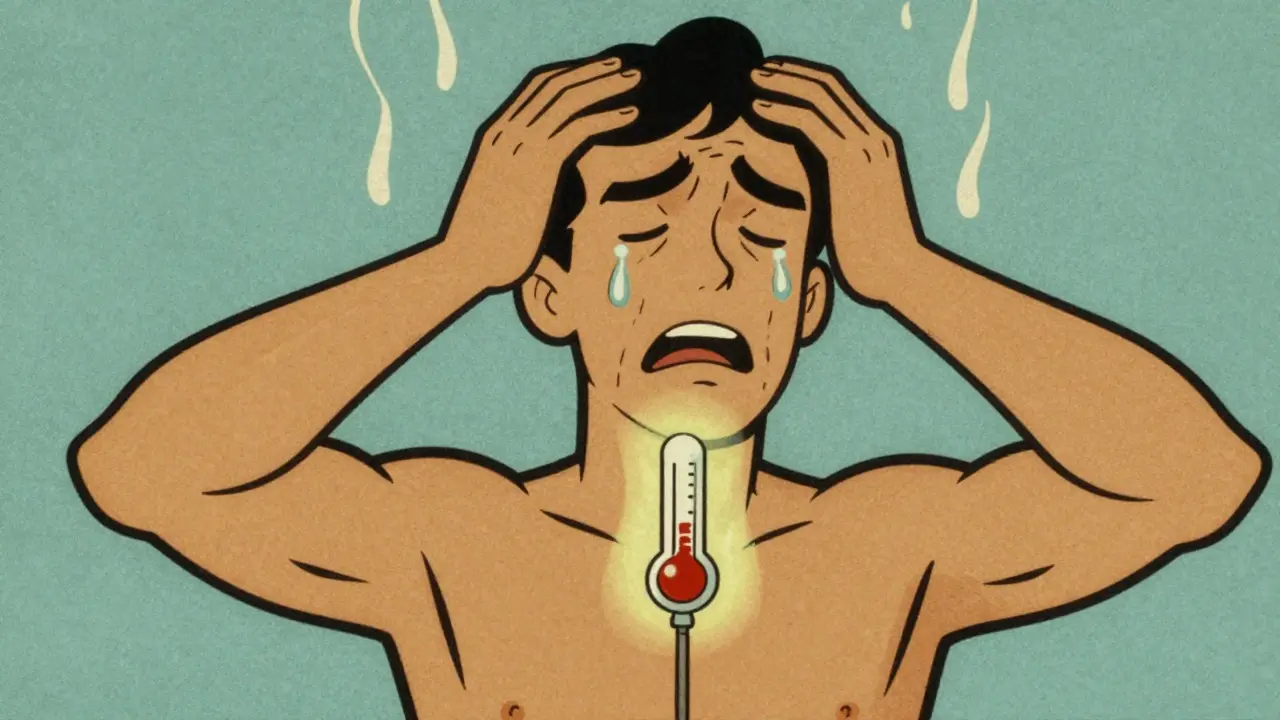
The symptoms hit hard and fast. Ninety-two percent of abusers report significant weight loss, but it comes at a cost. Physical tremors affect nearly four out of five users. Nausea, diarrhea, and headaches become daily companions. More dangerously, 15% of overdose cases experience chest pain, and 12% develop irregular pulses. In extreme scenarios, body temperatures can soar above 104°F (40°C), leading to heatstroke and organ failure. A user on Reddit’s r/Thyroid community shared a terrifying story: after taking 200mcg of levothyroxine daily for three months to lose weight, he ended up in the emergency room with a heart rate of 142 beats per minute and severe chest pain. Doctors told him he was lucky to be alive.
How Other Drugs Sabotage Your Thyroid
You don’t have to take extra thyroid pills to cause harm. Many common medications interfere with thyroid function, leading to either excess or deficiency. Amiodarone, a powerful antiarrhythmic drug used to treat irregular heartbeats, contains 37.3% iodine by weight. This high iodine load can trigger two distinct types of thyroid dysfunction. Type 1 amiodarone-induced thyrotoxicosis (AIT) occurs in predisposed individuals who synthesize too much hormone due to excess iodine. Type 2 AIT results from destructive thyroiditis, where the gland itself is damaged and leaks stored hormones into the bloodstream.
Iodinated contrast agents, used in CT scans and X-rays, can also cause thyrotoxicosis via the Jod-Basedow effect. Symptoms typically appear 2 to 12 weeks after exposure. For patients undergoing cancer treatment, immune checkpoint inhibitors pose another risk. These drugs, designed to help the immune system fight tumors, often attack the thyroid gland instead. Studies show that up to 8% of patients receiving combined PD-1 and anti-CTLA-4 therapy develop thyrotoxicosis. Dr. Angela Leung of UCLA Medical Center notes that this dysfunction often presents subtly but can progress rapidly, requiring thyroid function tests every 4-6 weeks during treatment.
Lithium, commonly prescribed for bipolar disorder, is another major offender. It causes hypothyroidism in 15-20% of long-term users by inhibiting the release of thyroid hormones. Unlike autoimmune Hashimoto’s thyroiditis, which is usually permanent, lithium-induced hypothyroidism often resolves within 3-6 months of discontinuing the drug. However, if left untreated, the fatigue, cold intolerance, and depression associated with low thyroid levels can severely impact quality of life.
The Diagnostic Challenge: Why Tests Can Lie
One of the biggest hurdles in treating medication-induced thyroid disorders is accurate diagnosis. Standard blood tests measure TSH (thyroid-stimulating hormone), free T4, and free T3. In natural hyperthyroidism like Graves' disease, radioactive iodine uptake scans show high absorption because the thyroid gland is actively overproducing hormones. In factitious hyperthyroidism, however, the gland is suppressed. Uptake scans show decreased activity, and thyroglobulin levels remain low. This distinction is crucial because the treatments are opposite: suppress the gland in Graves', stop the medication in factitious cases.
Noncompliance adds another layer of complexity. The Endocrine Society warns that acute ingestion of missed levothyroxine doses just before a clinic visit creates a "lag effect." Free T4 levels spike temporarily, but TSH takes weeks to respond. This mismatch leads to misdiagnosis in 15-20% of noncompliant patients. Doctors might see high T4 and assume the dose is too high, lowering it unnecessarily. Or they might see normal TSH and miss the underlying instability entirely. A 2021 review found that 12% of patients presenting with hyperthyroid symptoms were actually misusing their medication, with women aged around 34 being the most common demographic.
Long-Term Risks: Bones, Heart, and Brain
If you think thyroid issues are just about mood swings and weight fluctuations, think again. Chronic medication-induced hyperthyroidism poses serious threats to your skeletal and cardiovascular systems. The risk of osteoporosis is 3.2 times higher than in the general population. Bone mineral density decreases by 2-4% annually in untreated cases, leading to fragile bones and increased fracture risk. This happens because excess thyroid hormone accelerates bone turnover, breaking down bone faster than it can rebuild.
Cardiac complications are even more immediate. Irregular pulse, rapid heartbeat, and atrial fibrillation are common. Over time, the constant strain on the heart muscle can lead to cardiomyopathy and heart failure. On the flip side, untreated hypothyroidism slows everything down. Fatigue affects 89% of cases, while cold intolerance impacts 76%. Depression plagues 55% of sufferers, and dry skin affects nearly half. Cognitive decline, often described as "brain fog," makes concentration difficult and memory lapses frequent.
A 2009 case report highlighted a rare but striking neurological complication: choreoathetosis. This movement disorder causes involuntary twitching and writhing movements that impair daily functioning. Fortunately, symptoms resolved within one week of discontinuing the offending medication. Still, it serves as a stark reminder that thyroid imbalance doesn't just affect your metabolism-it can hijack your nervous system.

Practical Steps to Avoid Medication Pitfalls
Managing thyroid medication requires precision. The American Thyroid Association recommends testing TSH and free T4 every 6-8 weeks when starting or adjusting doses. Ninety-five percent of patients require at least one dose adjustment within the first six months. Patience is key; it takes approximately six weeks for TSH levels to fully reflect a dose change. Rushing this process leads to errors.
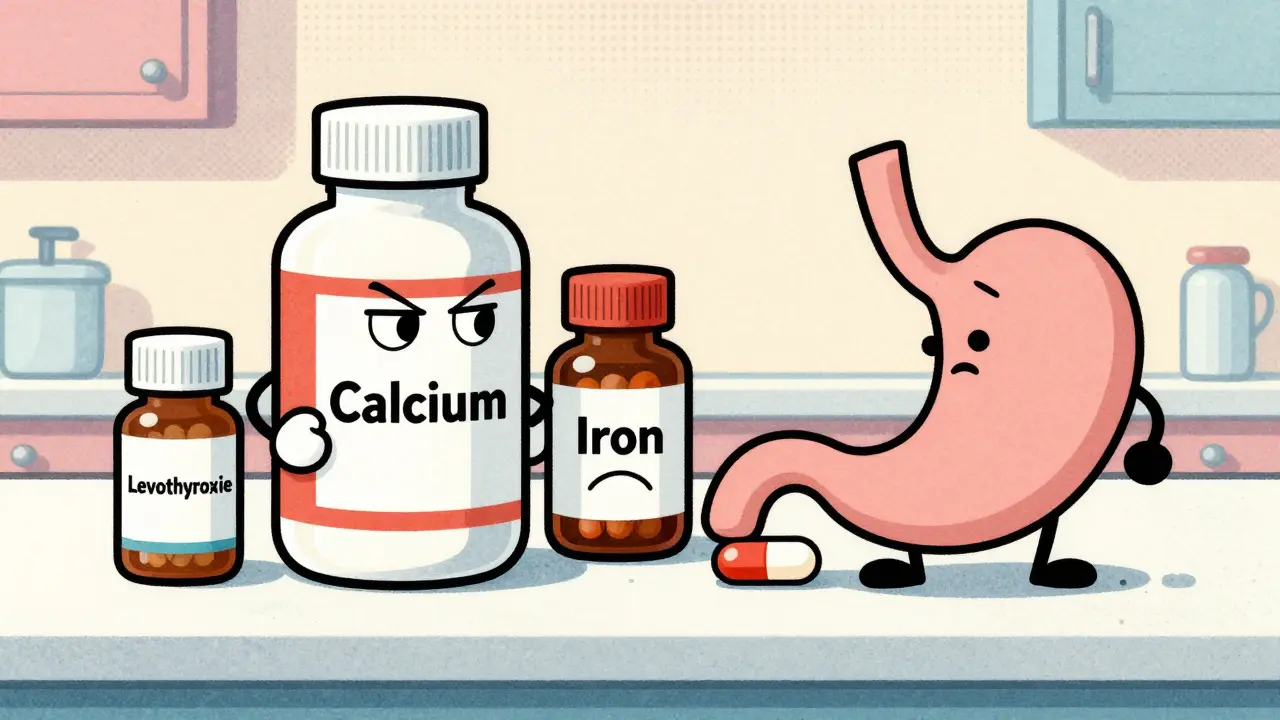
Timing matters immensely. Forty-two percent of patients who don't respond to medication do so because they take it incorrectly. Levothyroxine should be taken on an empty stomach, ideally 30-60 minutes before breakfast. Taking it with food reduces absorption significantly. Even worse, certain supplements block absorption entirely. Calcium supplements reduce levothyroxine absorption by 35-50% if taken simultaneously. Iron supplements and proton pump inhibitors (like omeprazole) have similar effects. Space these out by at least four hours.
Patient education is your best defense. Studies show that patients who receive comprehensive medication counseling have a 63% lower risk of noncompliance. If you suspect abuse-either your own or a family member's-the Endocrine Society advises a "washout period" of 2-3 weeks with close cardiac monitoring. During this time, 87% of mild cases resolve spontaneously as the body clears the excess hormone. Never stop or start thyroid medication without medical supervision.
The Future of Thyroid Monitoring
Technology is evolving to combat misuse. In June 2023, the FDA approved the first digital pill version of levothyroxine, featuring an ingestible sensor. Initial studies showed a 52% reduction in dosing errors among users. Point-of-care TSH testing, recommended in the Endocrine Society's 2023 guidelines, allows for rapid medication adjustments in clinical settings, reducing adverse events by 37% in pilot programs. Genetic testing may soon identify individuals susceptible to amiodarone-induced thyroid dysfunction, enabling personalized risk assessments.
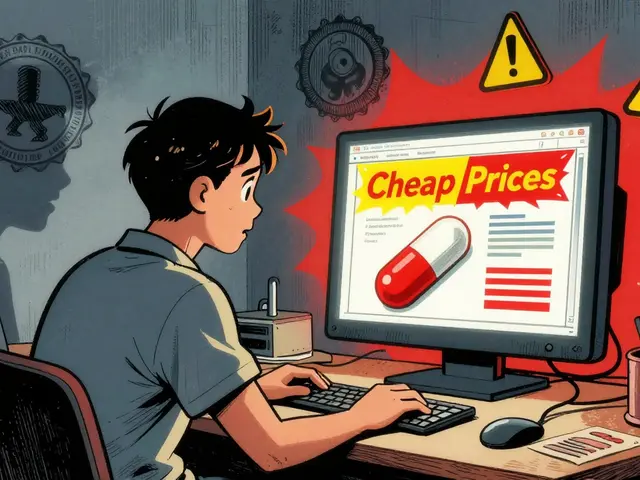
However, challenges remain. The global thyroid disorder treatment market is projected to reach $5.2 billion by 2027, driven partly by obesity-related misuse. Unregulated online supplements continue to proliferate; the FDA documented 217 websites selling thyroid hormone products without prescriptions in 2022, a 43% increase from 2020. Telemedicine programs offer hope, with projections suggesting they could reduce medication misuse by 28% by 2026 through improved remote monitoring.
Can taking too much levothyroxine cause permanent damage?
Yes, chronic overdose can lead to permanent bone loss (osteoporosis) and cardiac damage such as atrial fibrillation or cardiomyopathy. While some symptoms like tremors and weight loss resolve quickly after stopping the drug, structural changes to bones and heart tissue may be irreversible if not treated promptly.
How long does it take for thyroid levels to stabilize after stopping medication?
For factitious hyperthyroidism, symptoms often improve within days to weeks, with full stabilization taking 2-3 weeks under medical supervision. For drug-induced hypothyroidism caused by medications like lithium, recovery typically takes 3-6 months after discontinuation. Autoimmune conditions, however, usually require lifelong management.
What foods or supplements interfere with thyroid medication?
Calcium and iron supplements are the biggest culprits, reducing absorption by up to 50% if taken within four hours of levothyroxine. Soy products, walnuts, and high-fiber foods can also interfere. Always take thyroid medication on an empty stomach with water only, waiting at least 30-60 minutes before eating.
Is levothyroxine safe for weight loss?
No. Using levothyroxine for weight loss without a diagnosed thyroid deficiency is dangerous and considered abuse. It can cause rapid heart rate, anxiety, bone loss, and potentially fatal cardiac events. Weight loss achieved this way is often temporary and comes with severe health risks.
How can I tell if my thyroid symptoms are from medication misuse?
Key indicators include a history of inconsistent medication intake, rapid onset of symptoms after starting new drugs, and lab results showing low thyroglobulin with low radioactive iodine uptake. If you experience sudden heart palpitations, tremors, or unexplained weight changes despite stable dosage, consult your doctor immediately for specialized testing.