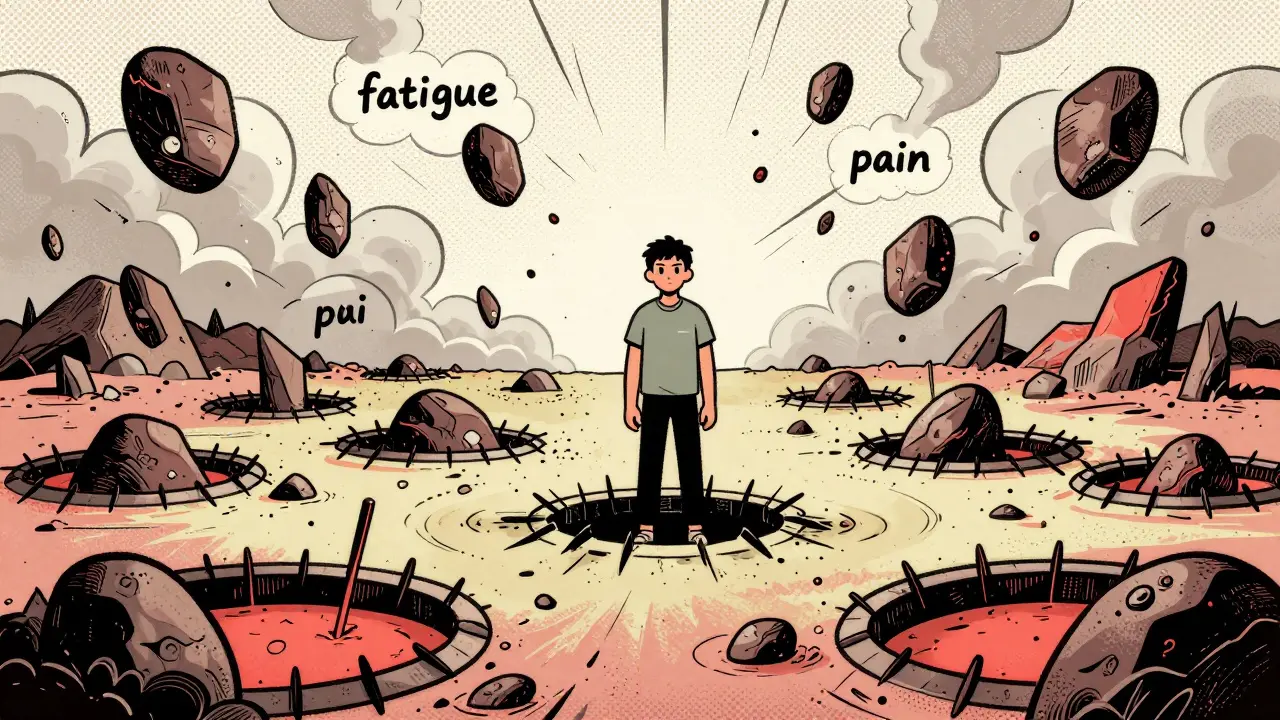
Living with an autoimmune disease often feels like navigating a minefield where the traps change daily. You might wake up feeling strong enough to tackle your to-do list, only to have your body shut down by mid-afternoon. This isn't just tiredness; it is functional impairment, defined as the inability to perform activities of daily living due to pain, fatigue, or joint damage caused by chronic inflammation. For the 5-8% of the global population affected by these conditions, this impairment is the primary barrier to independence. The good news? It doesn't have to be permanent. A targeted combination of rehabilitation and occupational therapy can restore significant capacity, but only if approached correctly.
Understanding the Core Problem: More Than Just Pain
To fix the problem, you first need to understand what is breaking. In autoimmune diseases like rheumatoid arthritis, lupus, or multiple sclerosis, the immune system attacks healthy tissue. This causes a triad of issues: direct tissue damage from inflammation, side effects from medications (like muscle weakness from steroids), and deconditioning from staying still to avoid pain.
Research published in the Journal of Autoimmunity in 2022 highlights that structured rehabilitation programs can improve functional capacity by 35-42%. However, this improvement hinges on timing. The greatest benefits are observed when interventions start within the first 12 months of symptom onset. Waiting years for "rest" to cure you often leads to permanent loss of function because muscles atrophy and joints stiffen. The goal here isn't to cure the disease-that's the rheumatologist's job-but to mitigate the decline and preserve your ability to live independently.
The Distinct Roles of Physical and Occupational Therapy
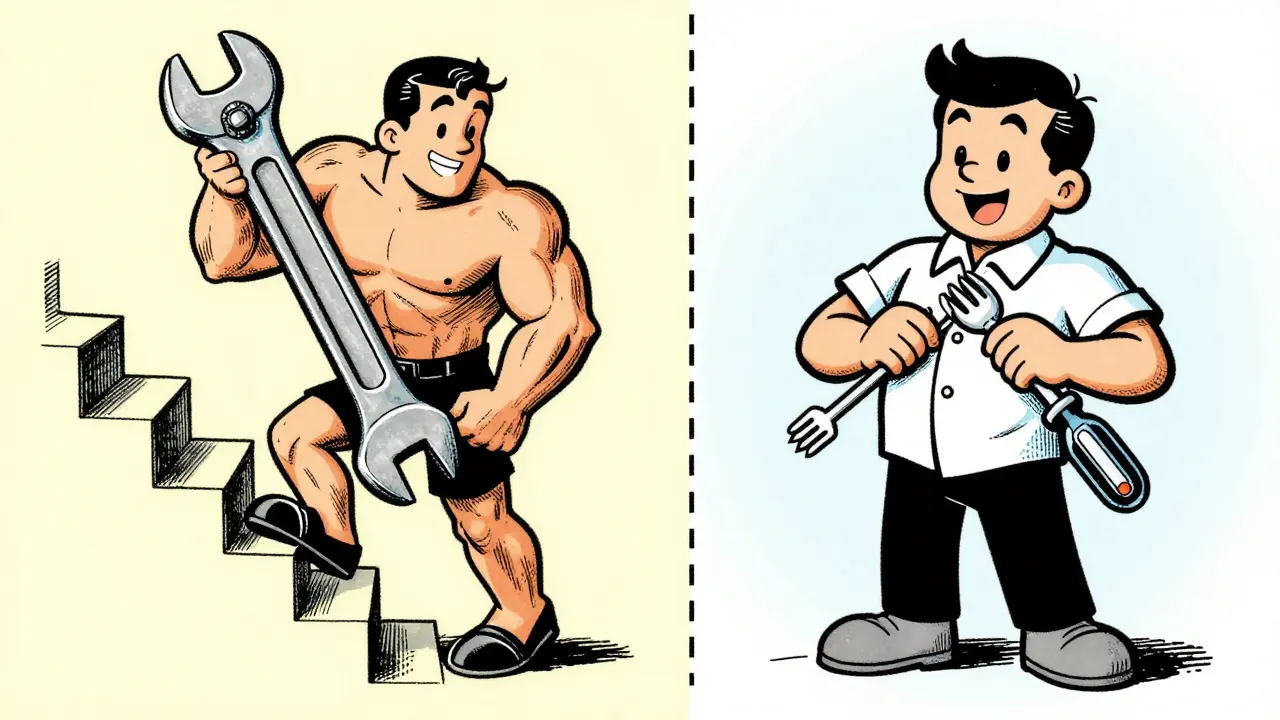
Many patients confuse physical therapy (PT) and occupational therapy (OT). While they overlap, they serve different masters in your recovery plan. Think of PT as building the engine and OT as teaching you how to drive efficiently.
| Feature | Physical Therapy (PT) | Occupational Therapy (OT) |
|---|---|---|
| Primary Focus | Movement, strength, balance, lower extremity function | Daily tasks, upper extremity function, energy conservation |
| Key Metric | Timed Up and Go test scores | Arthritis Hand Function Test (FOX) |
| Efficacy Edge | 28% greater efficacy for lower body mobility | 33% superior results for daily living activities |
| Typical Tools | Goniometers, TENS units, resistance bands | Adaptive utensils, jar openers, ergonomic assessments |
According to data from the Back to Motion clinical outcomes database (2022), PT shows 28% greater efficacy than OT alone for improving lower extremity function. If your main struggle is walking, climbing stairs, or preventing falls, PT is your priority. Conversely, if you are struggling to button shirts, cook meals, or type at work, OT delivers 33% better results for upper extremity function. Most successful patients use both, often in a multidisciplinary approach.
The Golden Rule: Energy Conservation and Pacing
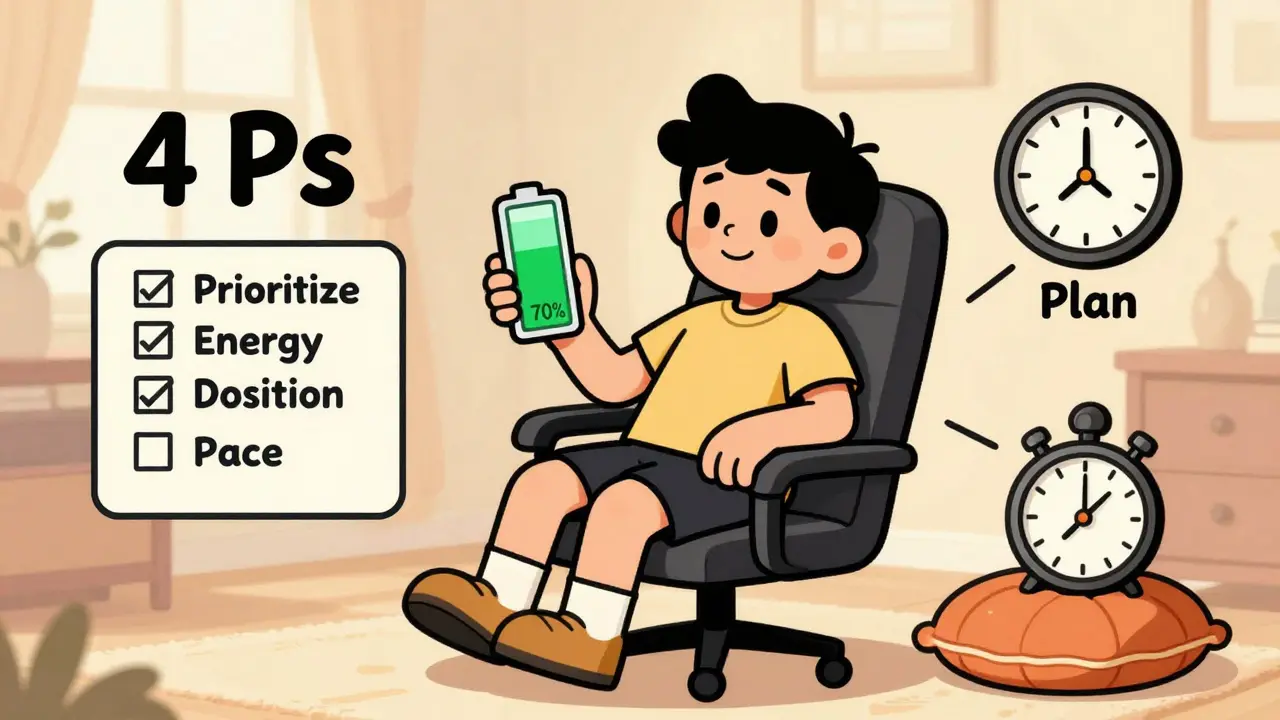
The biggest mistake patients make is the "boom-bust" cycle. On a good day, you do too much. On the next day, you crash. This pattern exacerbates symptoms and sets back progress. Occupational therapists combat this using the "4 Ps" principle: Prioritize, Plan, Pace, and Position.
- Prioritize: Identify which tasks truly matter today. Can laundry wait? Does that meeting need to happen?
- Plan: Schedule high-energy tasks for your peak time of day. For many, this is late morning.
- Pace: Limit continuous task performance to 15-20 minute intervals. Follow this with a 5-10 minute rest period. Do not push through pain.
- Position: Use ergonomics to save energy. Sit instead of stand. Bring the sink to you rather than bending over it.
This strategy requires discipline. It takes 8-12 weeks for most patients to master these pacing techniques. The rule of thumb is the "70% effort rule": never exceed 70% of your perceived maximum capacity. If you feel you could do more, stop anyway. This preserves reserve energy for unexpected demands later in the day.
Exercise Prescription: Dosing Movement Like Medication
Dr. Jane Smith, Director of Autoimmune Rehabilitation at Johns Hopkins, emphasizes that "exercise must be dosed like medication." This means precise frequency, intensity, time, and type parameters adjusted to your current disease activity. You cannot simply follow a generic gym routine.
During acute flare periods, when inflammation is high, the protocol shifts to gentle isometric exercises at 20-30% of maximum voluntary contraction. These strengthen muscles without grinding inflamed joints. As you enter remission, you advance to aerobic training at 40-60% of your heart rate reserve. Dr. Lisa Rodriguez of Mayo Clinic advocates for monitoring heart rate variability to personalize this intensity, ensuring you don't trigger a systemic inflammatory response.
Contraindications are critical. According to the American Physical Therapy Association's 2022 Clinical Practice Guideline, you should avoid exercise if you have active swelling in more than two joints, a fever above 100.4°F, or if you received a corticosteroid injection less than 72 hours ago. Ignoring these signs can lead to severe injury. In fact, 37% of patients initiate inappropriate high-impact activities early on, resulting in 23% higher injury rates.
Hidrotherapy and Specialized Modalities
When land-based movement hurts, water becomes your ally. Hydrotherapy produces 22% greater pain reduction compared to land-based exercise during active disease phases. The buoyancy supports your weight, while the warmth (typically 92-96°F) soothes stiff joints. Visual Analog Scale scores for pain drop significantly-from 7.2 to 4.1 in hydrotherapy versus 5.8 in land exercise.
However, access is a hurdle. Only 32% of rural rehabilitation centers have specialized underwater treadmills or heated pools. If you have access, prioritize it during flares. Other modalities include Transcutaneous Electrical Nerve Stimulation (TENS), which delivers 50-100Hz pulses to block pain signals, and range-of-motion measurements using goniometers to track joint health objectively.
Measuring Progress: Beyond How You Feel
Fatigue and pain are subjective, which makes tracking progress difficult. Clinicians rely on standardized tools to ensure you are actually improving. The Canadian Occupational Performance Measure (COPM) is the gold standard, validated for autoimmune populations since 2009. A clinically significant improvement is defined as a ≥2-point increase on its 10-point scale.
For broader functional assessment, the Health Assessment Questionnaire Disability Index (HAQ-DI) is used. A reduction in HAQ-DI score indicates better function. For example, dropping from 2.1 to 0.8 allows many patients to return to part-time work. Be wary of programs that ignore these metrics. Dr. Alan Peterson warned in JAMA Internal Medicine (2021) that 19% of rehabilitation programs fail to account for central fatigue mechanisms, potentially making conditions like lupus worse by pushing patients too hard.
Navigating Insurance and Access Challenges
The clinical ideal rarely matches the billing reality. User feedback from Reddit communities reveals that 44% of patients cite insurance limitations as their biggest frustration. Many plans cover only 12-15 sessions annually, despite clinical needs for 24-30 sessions. With the autoimmune rehabilitation sector growing at 9.2% annually, demand outstrips supply, especially given the projected therapist deficit of 18,000 by 2026.
To maximize coverage, document everything. Use the COPM scores to demonstrate medical necessity. Ask for home-based telehealth programs, which saw a surge from 22% to 68% usage post-pandemic and are often easier to bill under chronic condition management codes. Look for therapists with specialized certification, such as the Academy of Pelvic Health Physical Therapy's Autoimmune Specialty Certification, to ensure they understand the nuances of your condition.
How quickly will I see results from autoimmune rehab?
Most patients begin to notice improvements in energy pacing within 8-12 weeks. Significant functional gains, measured by tools like the HAQ-DI, typically require 3-6 months of consistent therapy. The greatest benefits occur when treatment starts within the first year of symptom onset.
Can I do physical therapy during a disease flare?
Yes, but the type of exercise changes. During a flare, avoid high-impact or heavy resistance training. Focus on gentle isometric exercises (20-30% effort) and hydrotherapy. Stop entirely if you have fever, widespread joint swelling, or recent steroid injections.
What is the difference between OT and PT for autoimmune patients?
Physical Therapy (PT) focuses on gross motor skills, balance, and lower body strength. Occupational Therapy (OT) focuses on fine motor skills, daily living tasks, and energy conservation strategies. OT is generally better for hand function and home adaptations, while PT is better for mobility and fall prevention.
Why do I feel worse after exercising?
This is likely due to the "boom-bust" cycle. If you exceed your energy envelope, your body responds with increased inflammation and central fatigue. Adhere to the 70% effort rule and take regular breaks. Monitor your heart rate variability to ensure you are not overexerting.
How can I get more therapy sessions covered by insurance?
Document functional declines using standardized measures like the COPM or HAQ-DI. Request a letter of medical necessity from your therapist highlighting specific safety risks or loss of independence. Consider telehealth options, which may have different billing codes than in-person visits.