Imagine a patient scrolling through their phone at night, not looking for medical journals, but watching a quick video on how to manage their blood pressure. That is where Social Media Education is the strategic use of digital networking platforms to deliver accessible, engaging, and community-driven learning experiences changing the game. It’s no longer just about posting updates; it’s about meeting people where they already spend their time.
In 2026, we are seeing a massive shift in how information is consumed. The old model of handing out pamphlets or sending long emails is fading. Instead, learners-whether they are students, patients, or professionals-are turning to apps like Instagram, TikTok, and LinkedIn to find answers. This isn’t just a trend; it’s a fundamental change in communication. When we talk about using these platforms for "generics," we mean creating broad, universally applicable educational content that helps anyone understand complex topics without needing a degree in the subject first.
The Shift from Passive to Active Learning
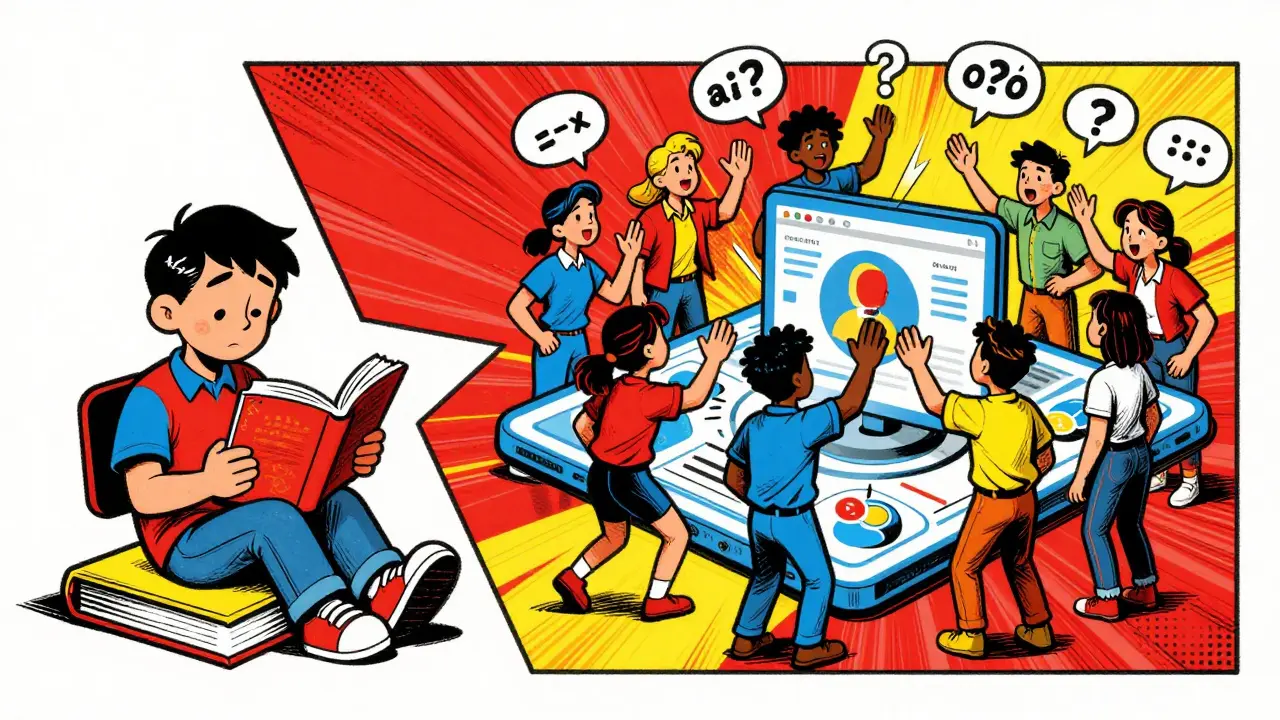
Gone are the days when education was a one-way street. Today, Digital Engagement is the interactive process where users actively participate in content creation, sharing, and discussion rather than just consuming information passively drives real understanding. In healthcare, this means a patient doesn’t just read about diabetes management; they join a group, ask questions, and see others share their daily tips. This creates a sense of community that textbooks simply cannot replicate.
Data shows that institutions leveraging this approach see significantly better outcomes. For instance, schools and health organizations reporting higher engagement rates often attribute this to two-way communication. When you allow comments, shares, and direct messages, you turn a broadcast into a conversation. This interaction builds trust. If a learner trusts the source, they are more likely to follow the advice given, whether it’s studying for an exam or managing a chronic condition.
Choosing the Right Platform for Your Audience
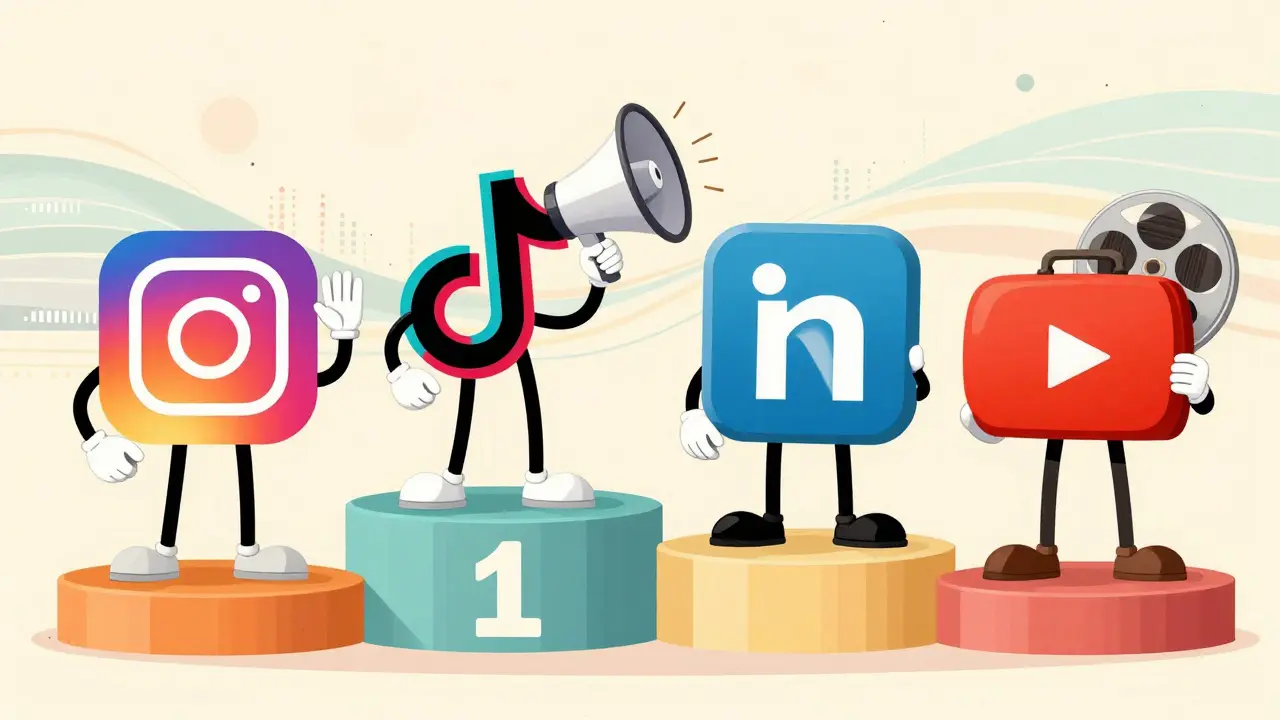
Not all platforms serve the same purpose. Trying to be everywhere usually leads to being nowhere effective. You need to match the platform to the demographic and the type of content you want to share. Here is how the major players stack up in 2026:
| Platform | Best For | Audience Demographic | Key Feature for Education |
|---|---|---|---|
| Visual storytelling, quick tips | Gen Z, Millennials (13-40) | Reels, Stories, Broadcast Channels | |
| TikTok | Viral short-form video, myth-busting | Gen Z, Gen Alpha (13-25) | Short-form video algorithm, high completion rates |
| Professional development, B2B education | Professionals, Alumni (25-65) | Showcase Pages, Articles, Alumni Aggregation | |
| YouTube | In-depth tutorials, lectures | All ages seeking detailed info | Long-form video, searchability |
| Community groups, older demographics | Parents, Older Adults (40+) | Groups, Live Q&A sessions |
If you are targeting younger audiences, TikTok is a short-form video platform known for its powerful algorithm that surfaces niche educational content to interested users quickly is currently the most effective tool. Short videos between 15 and 90 seconds drive much higher engagement because they respect the user's time. However, if your audience is professionals or parents, LinkedIn is a professional networking site that facilitates career-focused learning and industry-specific discussions offers deeper, more serious content opportunities. The key is not to guess, but to look at where your specific audience hangs out.
Content Strategies That Actually Work
You can have the best platform strategy, but if your content is boring, no one will care. Authenticity is the currency of social media education. People can spot a polished, corporate ad from a mile away, and they often ignore it. They prefer raw, genuine voices.
Here are three strategies that consistently perform well:
- Show, Don’t Just Tell: Use video. A 60-second clip showing how to properly take medication is far more effective than a paragraph describing it. Visuals reduce cognitive load and make complex instructions easier to remember.
- Leverage User-Generated Content: Encourage your audience to share their own stories. If a student posts about their study routine or a patient shares their recovery journey, reposting that (with permission) builds immense trust. It proves you are listening.
- Use Native Features: Each app has unique tools. On Instagram, use Polls in Stories to quiz followers. On LinkedIn, use Documents to share slide decks. These features signal to the algorithm that you are an active participant, boosting your reach.
Consistency matters too. Posting sporadically confuses your audience. Aim for a realistic schedule-perhaps three times a week-and stick to it. This keeps your brand top-of-mind without overwhelming your team.
Navigating Challenges and Risks
Social media is powerful, but it comes with risks. Misinformation spreads fast. In health education, incorrect advice can have serious consequences. You must have a moderation protocol in place. This means monitoring comments, correcting false statements politely but firmly, and having clear guidelines for what is acceptable.
Another challenge is the "authenticity paradox." You want to look professional, but you also want to look human. Over-curated content can feel fake. Under-curated content can look unprofessional. The sweet spot is "polished authenticity." This means good lighting and clear audio, but real faces and honest conversations. Don’t be afraid to show mistakes or behind-the-scenes moments. It makes the institution relatable.
Privacy is also critical. Especially in healthcare or student contexts, you must never share identifiable information without explicit consent. Anonymize case studies. Blur faces in photos unless you have a signed release. Protecting your users’ data is non-negotiable.
Measuring Success Beyond Likes
It’s easy to get caught up in vanity metrics like likes and followers. But do those numbers actually help your learners? Not necessarily. You need to look at deeper indicators of success.
Ask yourself: Are people saving your posts? Saving indicates intent to return later, which is huge for educational content. Are they sharing it? Sharing means they find value in passing it on. Are they asking questions in the comments? This shows engagement and curiosity. Tools like UTM tracking links can help you see if social traffic is leading to sign-ups, course enrollments, or appointment bookings. Focus on actions, not just applause.
The Future of Social Learning
We are moving toward a future where social media acts as a search engine. Many young people now go to TikTok or Instagram to find answers before they even open Google. This means your content needs to be optimized for search within these apps. Use keywords in your captions, add relevant hashtags, and ensure your videos have clear text overlays for accessibility.
AI will also play a bigger role. Expect AI-driven content suggestions to help you tailor messages to individual users. However, the human touch will remain essential. Algorithms can recommend content, but only humans can build empathy and trust. As technology evolves, the core goal remains the same: making knowledge accessible, understandable, and actionable for everyone.
What is social media education?
Social media education is the practice of using social networking platforms like Instagram, TikTok, and LinkedIn to teach, inform, and engage audiences. It involves creating content that simplifies complex topics, fosters community discussion, and provides accessible learning resources outside traditional classroom settings.
Which social media platform is best for educational content?
The best platform depends on your audience. TikTok and Instagram are ideal for reaching younger demographics with short, visual content. LinkedIn is best for professional development and B2B education. YouTube excels for in-depth tutorials and lectures, while Facebook works well for community building among older adults.
How can I ensure my educational content is accurate?
Accuracy requires rigorous fact-checking and expert review before publishing. Implement a moderation policy to correct misinformation in comments. Clearly cite sources in your captions or videos. Avoid giving personalized medical or legal advice; instead, encourage users to consult professionals for specific cases.
Why is authenticity important in social media education?
Authenticity builds trust. Audiences can detect overly polished, corporate messaging and often disengage from it. Genuine content featuring real people, honest struggles, and unscripted moments resonates more deeply, leading to higher engagement and better retention of information.
What are the biggest risks of using social media for education?
Major risks include the spread of misinformation, privacy violations, and negative online interactions. To mitigate these, establish clear community guidelines, monitor comments actively, anonymize sensitive data, and have a crisis communication plan ready for potential controversies.