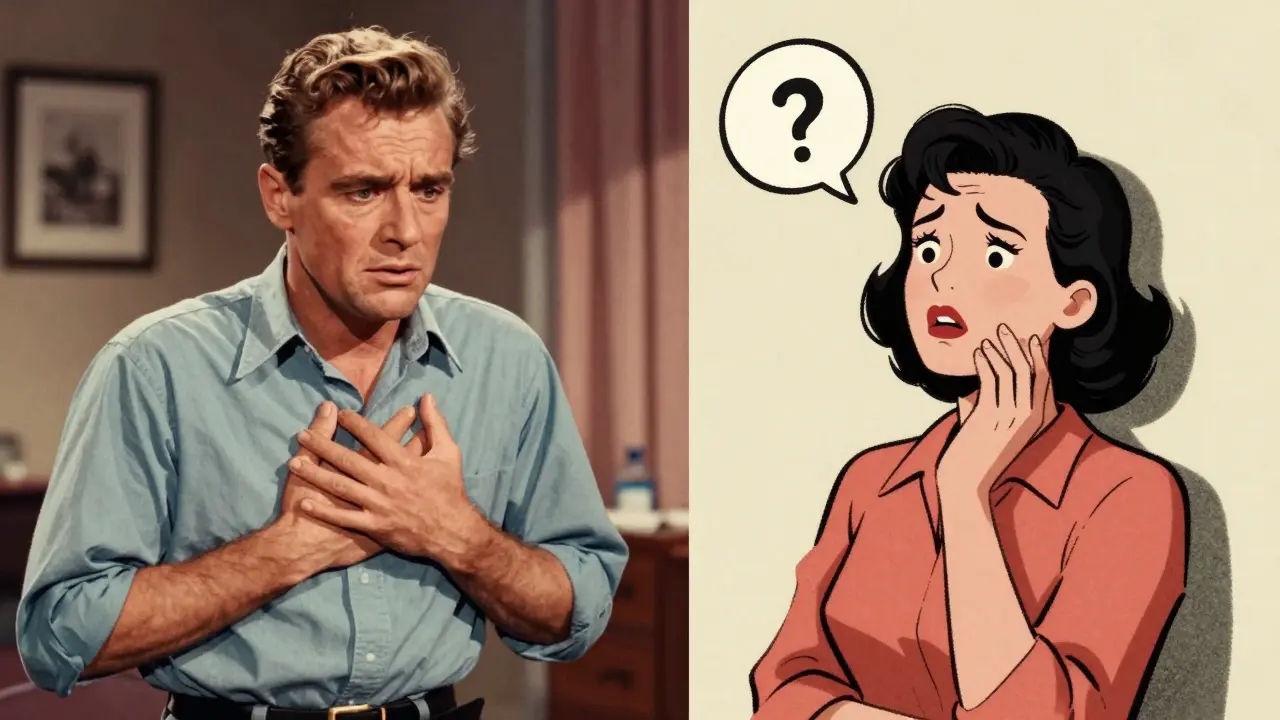
Most of us have seen the same scene in movies: a man clutches his chest and collapses. This "Hollywood heart attack" is the gold standard for what people expect, but for women, the reality is often completely different. In fact, heart disease is the leading cause of death for women globally, yet many still don't see it as their primary health threat. According to a 2024 report from the American Heart Association, only 44% of women correctly identified heart disease as their number one killer. This gap in awareness, combined with symptoms that don't fit the classic mold, creates a dangerous situation where women are often misdiagnosed or sent home from the ER when every minute counts.
Why Women’s Heart Health is Different
For decades, the medical world looked at the male heart as the default. The famous Framingham Heart Study from the mid-20th century focused almost exclusively on men, leaving a massive gap in our understanding of how Women’s Heart Disease is a complex cardiovascular condition that manifests differently in females due to anatomical, hormonal, and physiological distinctions.
Women's arteries are generally smaller, and their heart attacks often happen about 10 years later than men's. But it's not just about timing. Women are more prone to specific conditions that don't always show up on a standard angiogram. For example, microvascular disease affects the tiny arteries that supply the heart muscle, rather than the large main arteries. This means a woman can have a heart attack even if her larger arteries look clear. There are also other female-specific concerns like spontaneous coronary artery dissection (SCAD) and Takotsubo syndrome (also known as broken heart syndrome), which is a form of stress-induced cardiomyopathy.
Spotting the Signs: Beyond the Chest Pain
While chest pain is still the most common symptom, it doesn't always feel like a "crushing" weight. Women often describe it as pressure, tightness, or a dull ache. Even more concerning is that 43% of women experience heart attacks without any chest discomfort at all. If you're waiting for a sharp pain in the left arm before calling for help, you might be waiting too long.
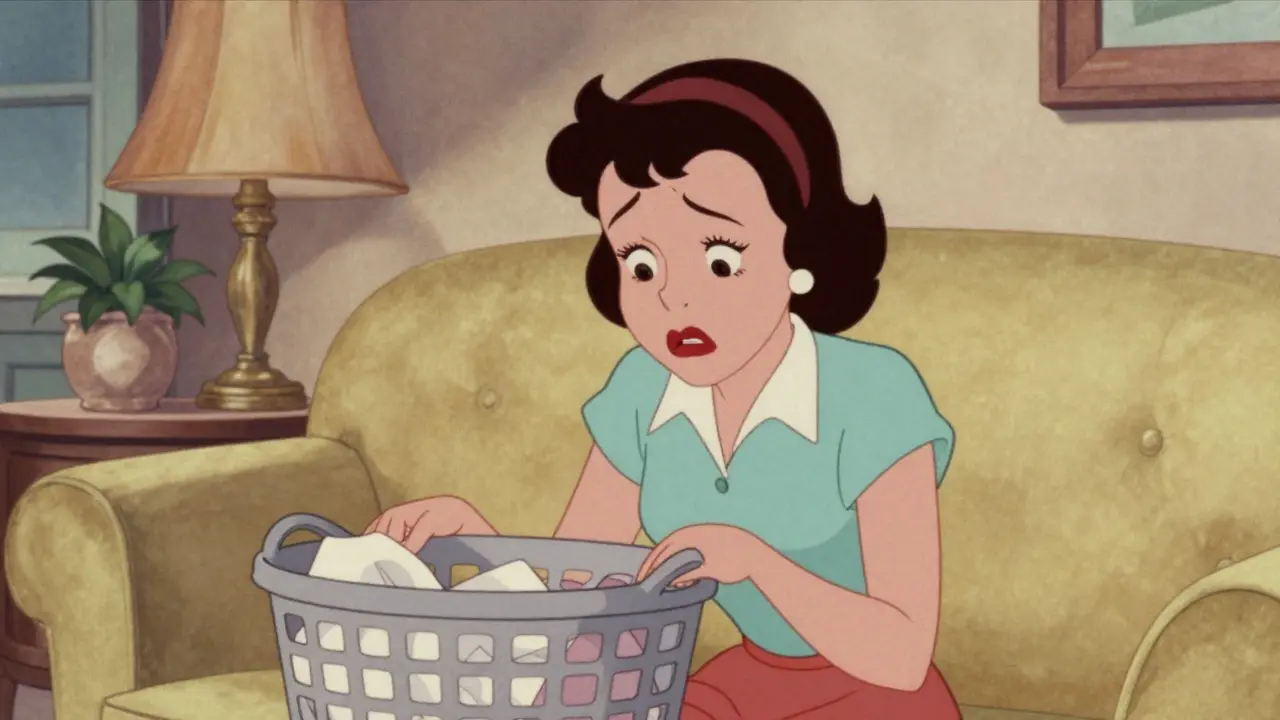
Instead, look out for "atypical" symptoms. These are often mistaken for the flu, indigestion, or even a panic attack. One of the most telling signs is "vital fatigue"-an exhaustion so severe that simple tasks, like making a bed or folding laundry, feel impossible. This occurs in roughly 71% of women who have a heart attack, yet it's rarely linked to the heart by patients or doctors.
Other red flags include:
- Shortness of breath during activities that used to be easy.
- Pain or discomfort in the jaw, neck, upper back, or shoulders.
- Unexpected nausea or vomiting.
- Light-headedness or sudden dizziness.
- A feeling of intense anxiety or emotional stress that triggers chest tightness.
| Symptom | Women (%) | Men (%) |
|---|---|---|
| Chest Pain/Pressure | 65% | 90% |
| Jaw, Back, or Arm Pain | 45% | 28% |
| Shortness of Breath | 42% | 29% |
| Nausea | 36% | 18% |
| Extreme Fatigue | 34% | 16% |
| Dizziness | 28% | 15% |
The Danger of Misdiagnosis
There is a troubling trend in emergency rooms where women-especially those under 55-are seven times more likely than men to be sent home without proper cardiac testing. Too often, cardiac symptoms in women are dismissed as anxiety or emotional distress. This gender bias is documented in nearly 68% of emergency department cases involving women with heart symptoms. When a woman is told she's just "stressed" when she's actually having a cardiac event, the results are devastating; misdiagnosed women have a 50% higher mortality rate within one year.
Furthermore, women over 65 are significantly more likely to experience "silent heart attacks." These are events that happen without recognizable symptoms, meaning the heart muscle is damaged without the patient even knowing it. This is why regular check-ups and a high index of suspicion are so critical as women age.
Managing Your Risk: A Practical Guide
Managing heart health for women requires more than just a standard cholesterol test. You need to look at your unique biological history. For instance, pregnancy complications are a major red flag. If you had preeclampsia, your risk of future heart disease increases by 80%. Similarly, the transition through menopause affects how the body handles fats and sugars, often increasing cardiac risk.
To take control of your health, start by tracking these specific markers:
- Menstrual and Menopausal History: Note when you entered menopause and any hormonal therapies you're using.
- Pregnancy Records: Document any history of gestational diabetes or high blood pressure during pregnancy.
- The Two-Week Rule: If you experience unexplained fatigue that lasts more than two weeks, especially if you're getting winded during normal activities, seek a cardiac evaluation immediately. This pattern precedes 78% of female heart attacks.
- Stress Triggers: Be aware that mental stress is 37% more likely to trigger angina (chest pain) in women than in men.
When visiting a doctor, don't be afraid to be firm. If you feel something is wrong, ask for specific tests. The Corus CAD test is a newer diagnostic tool validated specifically for women that analyzes gene expression to assess risk with much higher accuracy than a traditional stress test.
The Path Forward in Cardiac Care
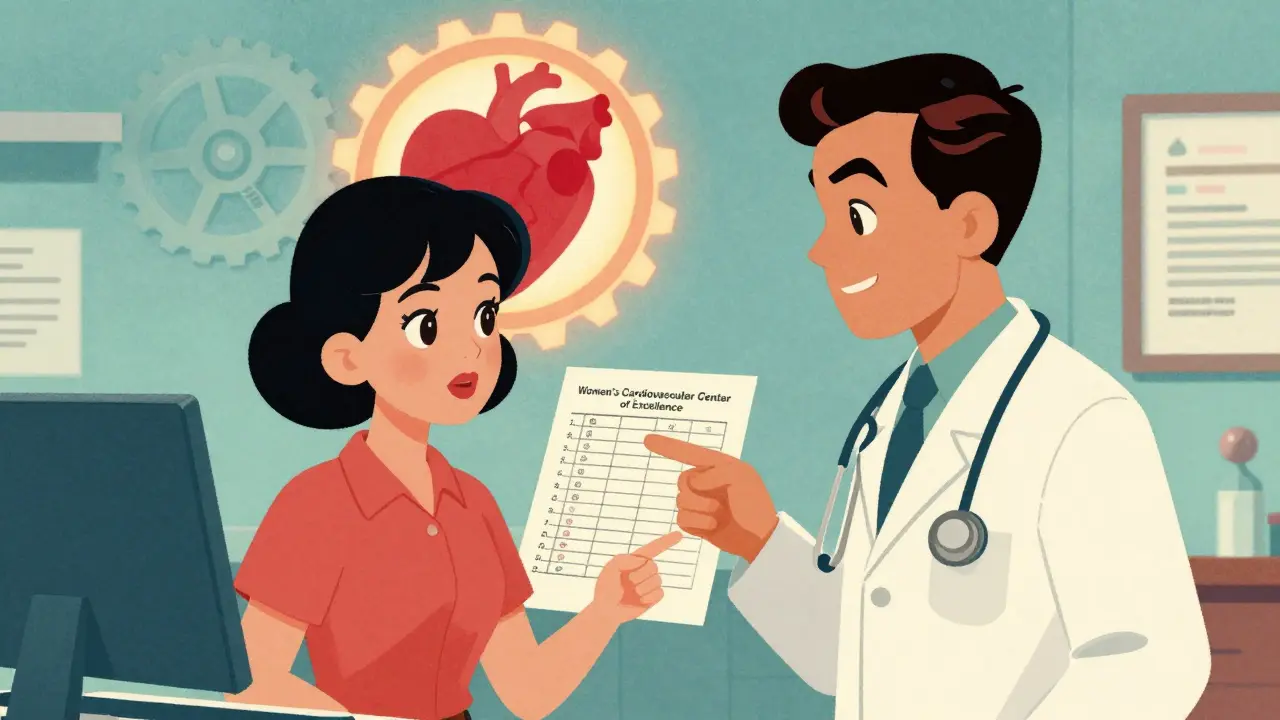
The tide is starting to turn. We are seeing the rise of Women's Cardiovascular Centers of Excellence-specialized clinics that focus specifically on the female heart. Data shows that women have a 22% higher survival rate when treated at these specialized facilities. Additionally, the NHLBI's RENEW initiative is pumping $150 million into research focusing on the intersection of autoimmune conditions and heart disease, which disproportionately affect women.
The next big leap will likely be AI. Future diagnostic tools trained on gender-specific symptom patterns are expected to reduce misdiagnosis rates by up to 40%. Until then, the best tool we have is advocacy. Knowing your body and recognizing that "feeling off" can be a medical emergency is the most effective way to save your own life.
Why do women often mistake heart attack symptoms for other things?
Women are 59% more likely than men to mistake heart attack signs for indigestion, anxiety, or muscle strain. This happens because women are more likely to experience nausea, shortness of breath, and back or jaw pain rather than the crushing chest pain typically associated with heart attacks. Because these symptoms are vague and overlap with many other conditions, women often delay seeking treatment by an average of 2.3 hours.
What is microvascular disease and why does it affect women more?
Microvascular disease affects the smallest blood vessels in the heart rather than the large coronary arteries. Women are twice as likely as men to develop this condition. Because traditional tests like angiograms only look at the large arteries, microvascular disease often goes undetected, leading to symptoms like shortness of breath and extreme fatigue without the "classic" blockage signals.
Does pregnancy affect long-term heart health?
Yes, significantly. Pregnancy complications such as preeclampsia or gestational diabetes are indicators of underlying cardiovascular vulnerability. Specifically, a history of preeclampsia can increase a woman's future risk of heart disease by as much as 80%. It is crucial to share your pregnancy history with your cardiologist.
What is a "silent heart attack"?
A silent heart attack occurs when the heart muscle is damaged due to lack of oxygen, but the patient experiences few or no recognizable symptoms. Women over 65 have a 34% higher risk of these events compared to men of the same age. They are often discovered only during a later check-up or after another cardiac event occurs.
When should I actually see a doctor for fatigue?
While everyone gets tired, you should seek cardiac evaluation if you experience unexplained fatigue lasting more than two weeks, especially if it's paired with shortness of breath during tasks you previously handled with ease. This specific pattern is seen in about 78% of women before they experience a heart attack.
13 Comments
This is actually so important to share. It's heartbreaking that so many women are just dismissed when they're clearly in distress.
absolute madness that we still have this gap in 2024 like seriously who is running these hospitals lol. its a literal disaster when a doctor tells a woman shes just anxious while her heart is failing. tragic
I'm definitely going to bring up the preeclampsia point with my own doctor. I had a rough pregnancy years ago and never once thought it could impact my heart health later in life. Thanks for the heads up on the Corus CAD test too.
Of course the medical establishment wants us to believe in these specific
Of course the medical establishment wants us to believe in these specific patterns now, but have we actually considered why these
Of course the medical establishment wants us to believe in these specific patterns now, but have we actually considered why these
Of course the medical establishment wants us to believe in these specific patterns now, but have we actually considered why these specialized centers are suddenly popping up just as the pharmaceutical companies are pushing new long-term cardiac meds for women who might not even need them, because it's all just a massive cycle of profit where they first ignore the symptoms to make the problem worse and then sell us the cure once they've created a terrified demographic of women who can't even fold laundry without wondering if they're dying, and honestly the whole thing smells like a curated narrative to keep us dependent on a system that failed us for fifty years while they played with male-only data sets and called it science.
Typical. They find a new way to make women feel broken so they can charge for specialized clinics. It's all a racket to funnel money into these so called centers of excellence.
survival is just a statistical game. bias is the only constant in medicine. nothing new here
My aunt had a spicy heart attack last year and the doctors were totally clueless until she practically screamed at them! These doctors are just blind bats sometimes!
The part about the "vital fatigue" is absolutely terrifying! I cannot believe how many of us just push through that exhaustion thinking we're just getting older!
Oh sure, because the medical industry is just world-renowned for its impartiality and flawless gender neutrality.
exactly. the irony is just peak comedy
Write a comment