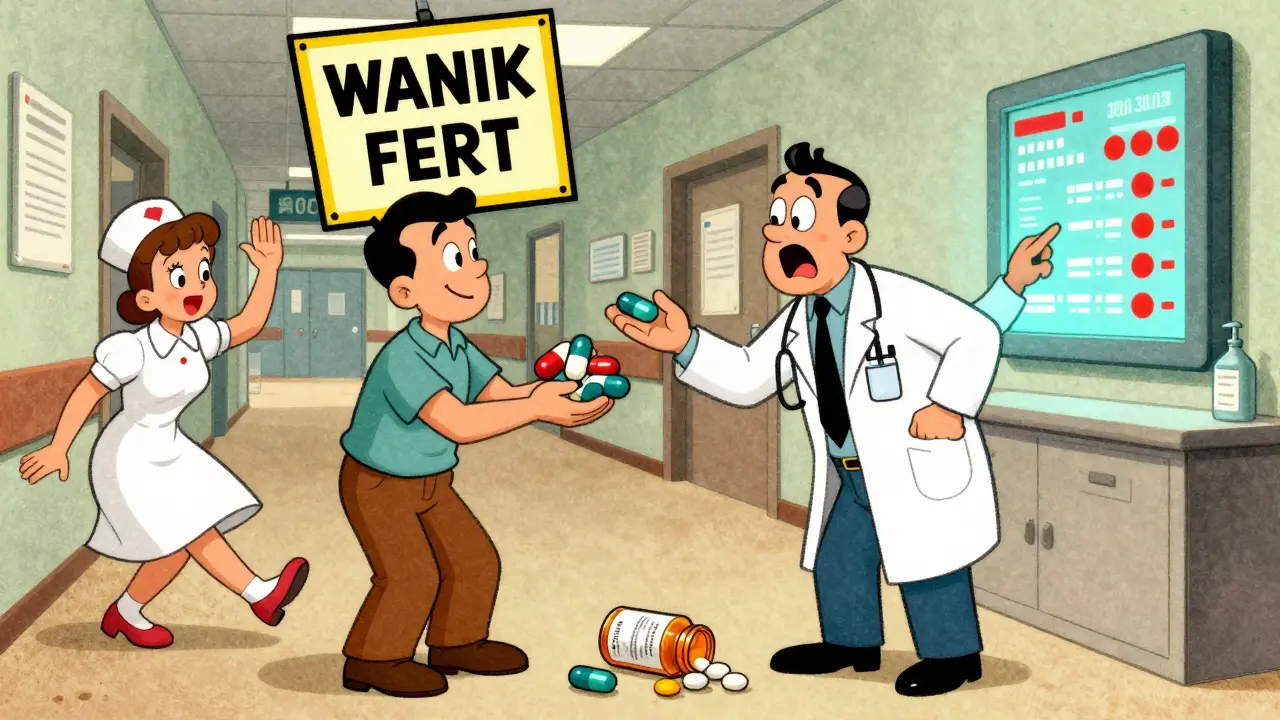
Adverse drug events aren’t rare mistakes-they’re a daily threat in hospitals, clinics, and homes. Every year in the U.S., they land over a million people in emergency rooms and send 125,000 into hospitals. Many of these aren’t accidents caused by bad luck. They’re preventable. And they happen because of gaps we can fix-if we know where to look.
What Exactly Is an Adverse Drug Event?
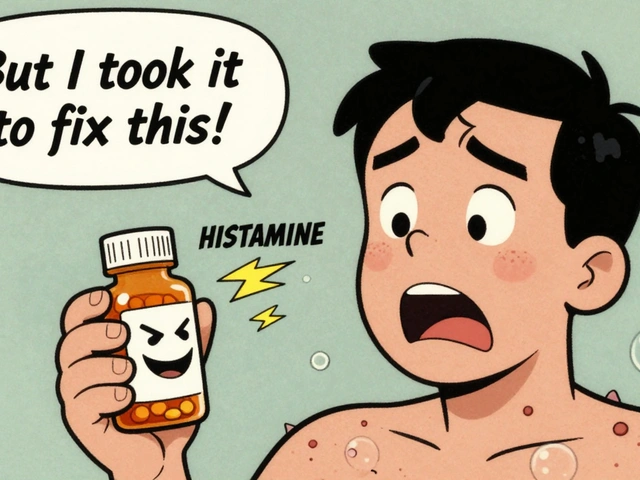
An adverse drug event (ADE) is any harm caused by a medicine. It’s not just about side effects. It includes mistakes in prescribing, mixing drugs that shouldn’t be taken together, giving the wrong dose, or even a patient taking too much by accident. The key word here is harm. If a drug causes injury, it’s an ADE-even if the drug was right and the dose was correct. For example, someone on warfarin might bleed internally because their INR wasn’t checked for weeks. That’s an ADE. Or an elderly patient takes a new painkiller and gets confused, falls, and breaks a hip. Also an ADE.
The Institute of Medicine first sounded the alarm in 2000 with its report To Err is Human, showing that medication errors alone were killing at least 7,000 people a year in U.S. hospitals. Since then, we’ve learned that ADEs are even more common than we thought. Today, they contribute to 3.5 million doctor visits, 1 million ER trips, and over 125,000 hospital admissions every year in the U.S. That’s more than heart failure or pneumonia.
The Five Main Types of Adverse Drug Events
Not all ADEs are the same. They fall into clear categories, each with its own pattern and risk group.
- Adverse drug reactions are the body’s unexpected response to a medicine at normal doses. These can be mild-a rash-or deadly-anaphylaxis. About 80% of these are Type A reactions: predictable, dose-related, and often avoidable. Think of a beta-blocker causing dangerously low blood pressure in someone with a slow heart rate.
- Medication errors happen when something goes wrong in the process: a doctor writes the wrong dose, a pharmacist dispenses the wrong pill, or a nurse gives it at the wrong time. These are preventable by design. Electronic prescribing cuts these errors by nearly half.
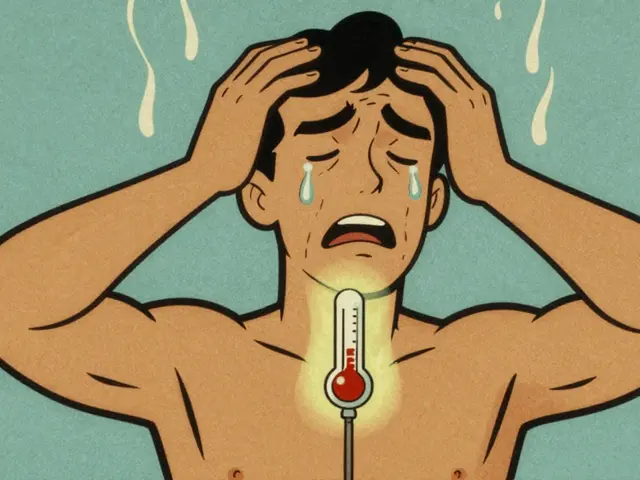
- Drug-drug interactions occur when two or more medications clash. For example, taking fluoxetine (Prozac) with tramadol can trigger serotonin syndrome-a life-threatening spike in body temperature and muscle stiffness. Over 15% of high-risk interactions are flagged by clinical tools like Lexicomp, but many still slip through.
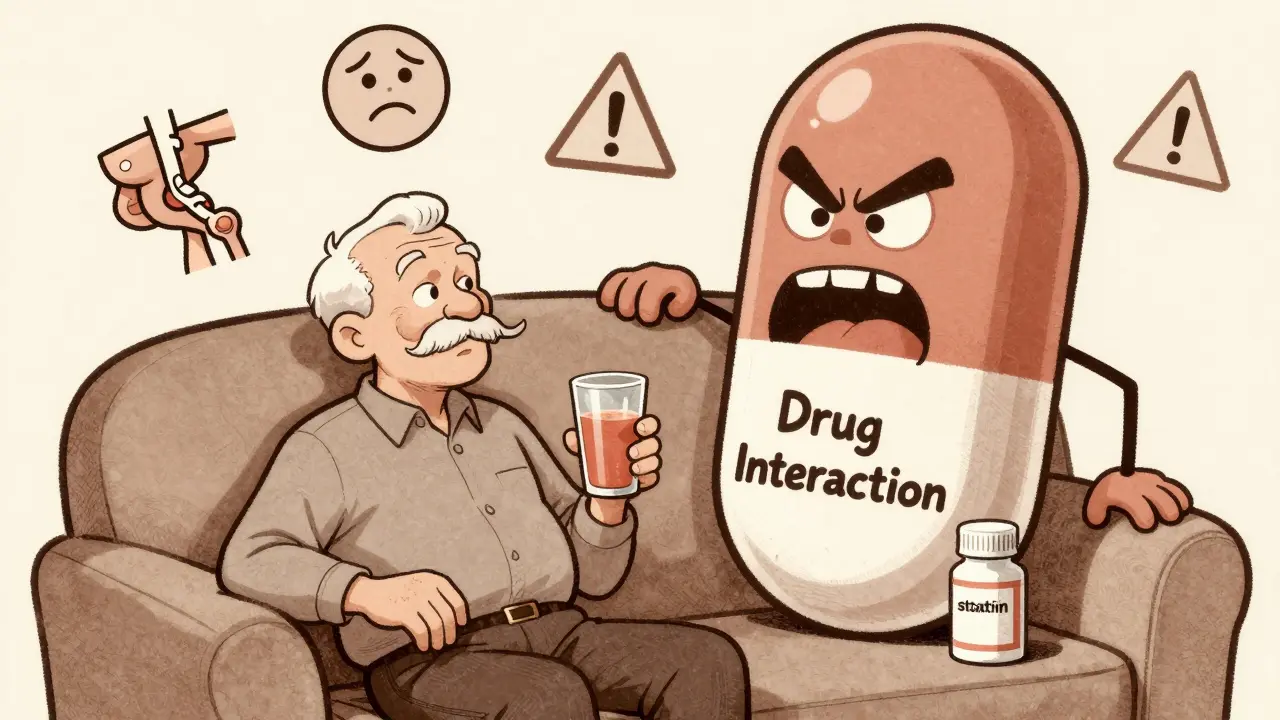
- Drug-food interactions are often overlooked. Grapefruit juice can double the effect of statins, leading to muscle damage. Calcium-rich foods can block absorption of thyroid meds. Even a simple glass of milk can reduce the effectiveness of some antibiotics.
- Overdoses are either accidental or intentional. Opioids are the biggest concern here. In 2021, over 70,000 overdose deaths in the U.S. involved synthetic opioids like fentanyl. Many of these were unintentional-patients didn’t realize how potent their new prescription was.
StatPearls breaks down drug reactions further into five types (A through E). Type A (dose-dependent) makes up 80% of cases. Type B (unpredictable) is rare but dangerous-like a sudden allergic reaction to penicillin. Type C is from long-term use-think osteoporosis from years of steroid pills. Type D is delayed-cancer from chemotherapy years later. Type E is withdrawal-seizures from stopping benzodiazepines too fast.
The Big Three High-Risk Medications
Not all drugs are created equal. Three classes cause the most harm-and we know exactly why.
Anticoagulants, especially warfarin, are the #1 cause of ADE-related hospital admissions. Why? They have a tiny window between working and being dangerous. Too little, and you get a clot. Too much, and you bleed internally. In 35% of outpatient tests, the INR level is outside the safe range. Warfarin alone causes 33,000 emergency visits a year. Newer blood thinners like apixaban are safer, but many patients still get warfarin because it’s cheap and familiar.
Diabetes medications, particularly insulin, cause 27% of ADE-related ER visits. Hypoglycemia-dangerously low blood sugar-is the main problem. Older adults are hit hardest: 60% of insulin-related ER trips involve people over 65. Many don’t realize their insulin dose needs to drop as they age or eat less. A missed meal or a bout of the flu can turn a stable dose into a crisis.
Opioids are the deadliest. The CDC reports 107,622 drug overdose deaths in 2021. Synthetic opioids like fentanyl are now the main killers. Even patients prescribed opioids for chronic pain can develop tolerance and accidentally overdose when their pain flares up and they take extra pills. Many don’t know how strong these drugs are-or how quickly dependence builds.
How to Prevent Adverse Drug Events
Prevention isn’t about one magic fix. It’s about layers-system changes, technology, and human action working together.
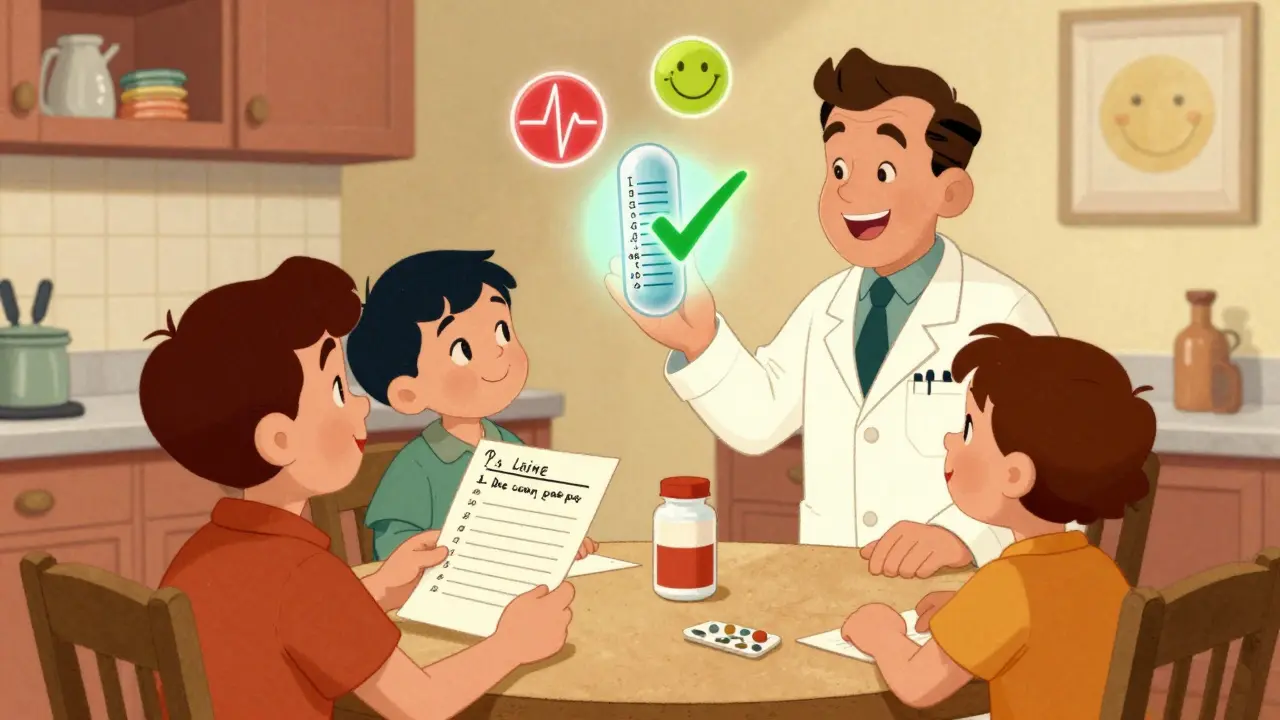
- Medication reconciliation means checking every drug a patient takes when they move between care settings-hospital to home, clinic to pharmacy. A 2020 study showed this cuts post-discharge ADEs by 47%. It’s simple: ask, “What are you taking right now?” and compare it to the list in the chart.
- Electronic prescribing reduces errors by 48%. No more illegible handwriting. Systems can warn doctors if a prescription clashes with a patient’s allergies or other meds. But only 45% of U.S. hospitals have full clinical decision support turned on for high-risk drugs.
- Pharmacist-led reviews are game-changers. Pharmacists don’t just fill prescriptions-they audit them. In VA hospitals, pharmacist-run anticoagulation clinics cut major bleeding by 60%. Medication Therapy Management (MTM) services find an average of 4.2 medication problems per patient and reduce ADEs by 32%.
- Deprescribing means stopping drugs that aren’t helping-or are hurting. The Beers Criteria lists 50+ medications that are risky for older adults. Yet only 15% of primary care doctors regularly screen for them. Simple changes-like switching from an anticholinergic sleep aid to melatonin-can cut confusion and falls.
- Patient education matters. A 2021 Cochrane review found that clear, simple instructions improve adherence by 22%. If a patient doesn’t know why they’re taking a pill, or what to do if they feel dizzy, they’re more likely to stop it-or take too much.
The Veterans Affairs system shows what’s possible. They use pharmacogenomic testing for drugs like clopidogrel-testing a patient’s genes to see if they’ll respond properly. That cut ADEs by 35%. They also use real-time dashboards that alert doctors if a patient’s INR is drifting out of range. These tools aren’t science fiction-they’re in use now.
What’s Next for Medication Safety?
Technology is moving fast. AI is being tested at places like Johns Hopkins, where machine learning analyzes 50+ data points-age, kidney function, lab results, drug history-to predict which patients are most likely to have an ADE. Early results show a 17% drop in preventable events.
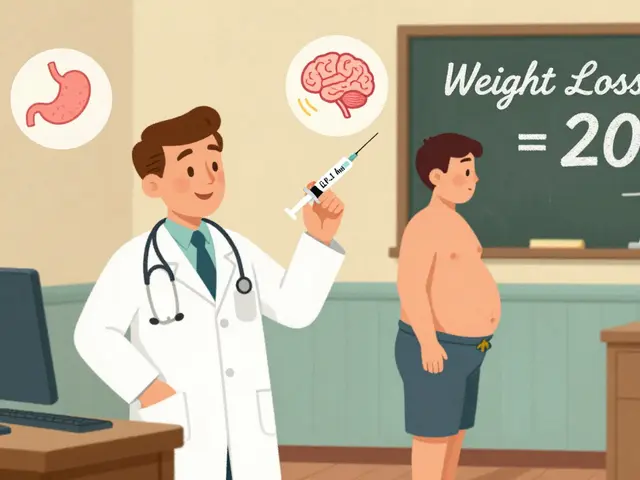
Pharmacogenomics-the use of genetic testing to guide dosing-is expected to grow from 5% adoption today to 30% by 2027. That could prevent 100,000 ADEs a year. Imagine knowing before you even take a drug whether your body will process it safely.
But progress is uneven. The WHO’s global goal to cut medication harm by 50% by 2022 fell short-they only achieved 18%. The U.S. has strong policies like the 21st Century Cures Act, which pushed hospitals to adopt electronic records, but many still don’t use the safety features built into them.
The biggest barrier? Culture. Too many doctors still think, “I’ve been prescribing this for 20 years.” Too many patients don’t speak up when something feels wrong. And too many systems still rely on paper charts and human memory.
What You Can Do Right Now
You don’t need to be a doctor to help prevent an ADE.
- Keep a current list of every medication you take-including vitamins, supplements, and over-the-counter drugs. Update it every time your doctor changes something.
- Ask questions when you get a new prescription: “What’s this for?” “What happens if I miss a dose?” “What should I avoid eating or drinking?”
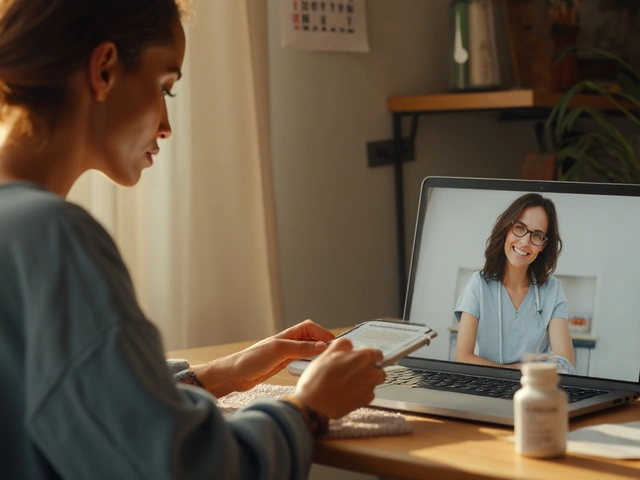
- Use one pharmacy for all your prescriptions. That way, the pharmacist can spot interactions.
- Don’t stop or change doses without talking to your provider. Even “harmless” meds like ibuprofen can cause kidney damage or bleeding if taken long-term.
- Speak up if you feel dizzy, confused, or unwell after starting a new drug. That’s not “just aging”-it could be an ADE.
Medication safety isn’t just a hospital problem. It’s a personal one. The same tools that save lives in big hospitals-reconciliation, tech alerts, pharmacist reviews-can work in your living room. All it takes is awareness, a little vigilance, and the courage to ask, “Is this really safe for me?”
16 Comments
This article is so basic. Like, I read this in med school and thought, 'Wow, we're still doing this?' ADEs? Please. It's all about lazy doctors and patients who don't read the tiny print. I've seen people take Tylenol with alcohol and then cry about liver failure. It's not a systemic problem-it's a people problem. Stop blaming the system and start blaming the idiots who think 'natural' means 'safe.'
Also, why is everyone so shocked that warfarin is dangerous? It's been around since WWII. If you can't handle a drug that requires blood tests, don't take it. Simple.
And don't even get me started on 'deprescribing.' That's just code for 'we're too cheap to pay for better meds.' Cut the fluff. Fix the people, not the paperwork.
Thank you for this. Seriously. As someone who’s watched my mom nearly die from a bad insulin combo-plus a pharmacist who didn’t catch the interaction-I can’t tell you how relieved I am to see this laid out so clearly.
Medication errors aren’t ‘accidents.’ They’re system failures. And the fact that 45% of hospitals still don’t have full clinical alerts? That’s criminal.
But here’s the good news: we can fix this. My mom’s ER trip led to her getting a pharmacist-led care plan. Now, she gets a weekly check-in. Her A1c is stable. She hasn’t fallen in 14 months. It’s not magic-it’s just someone paying attention.
If you’re reading this and you’re a patient, a caregiver, or even a nurse: speak up. Ask for reconciliation. Ask for a med review. You’re not being ‘difficult.’ You’re saving your life.
And if you’re a provider? Please. Don’t just prescribe. Protect.
❤️
OMG I had this happen to my uncle!! He was on warfarin and then he took some turmeric supplement because his friend said it’s ‘anti-inflammatory’-and BOOM-he bled out in the bathroom. They found him with the toilet seat up and his pajamas soaked. The hospital said it was ‘preventable.’
But no one told him supplements aren’t regulated!! Why is no one warning people?? This is why I don’t trust doctors anymore. They don’t care. They just want to sell you pills.
Also, I think the government is hiding something. Why are there so many deaths? Are they testing new drugs on us?? I think so. I’ve seen things.
Pls help. I’m scared.
😭
There’s something quietly profound here. We treat medication like a transaction-prescribe, pick up, take. But it’s not. It’s a conversation between biology, culture, and care.
When we reduce ADEs to ‘errors’ or ‘negligence,’ we miss the deeper truth: people are afraid to ask questions. Systems are designed for speed, not safety. And we’ve normalized the idea that ‘someone else’ will catch the mistake.
Maybe the real solution isn’t more tech-but more humility. More listening. More asking, ‘What’s this really doing to me?’
It’s not about perfection. It’s about presence.
Thanks for writing this. It made me rethink my own meds.
So many people don’t realize how much their pharmacist can help. I used to go to 3 different pharmacies because of insurance. Then I switched to one. My pharmacist noticed I was taking 3 different sleep aids AND an antihistamine. Said, ‘Dude, you’re basically sedating yourself to sleep.’
She switched me to melatonin + CBT-I resources. No more groggy mornings. No more falls.
Pharmacists are unsung heroes. They know your meds better than your doctor sometimes. Go see yours. Bring your list. Ask for a med review. It’s free. Seriously.
Also, grapefruit juice? Yeah, it’s a sneaky one. I thought it was just a ‘health drink.’ Nope. It’s a drug amplifier. 🍊⚠️
Let’s be perfectly clear: this article is not ‘informative.’ It’s a damning indictment of American healthcare’s moral bankruptcy. We have the technology, the data, the expertise-and yet, we allow 125,000 people to be hospitalized annually because we’ve chosen convenience over care.
And let’s not pretend that ‘patient education’ is a solution. If your doctor can’t explain a drug’s risks in plain language, then they’re not a doctor-they’re a salesperson.
Also, ‘deprescribing’? That’s not a trend. That’s a moral imperative. Why are we still prescribing benzodiazepines to seniors? Because it’s easier than treating anxiety with therapy. And because insurance won’t pay for therapy.
This isn’t medicine. It’s capitalism with a stethoscope.
And yes-I used three semicolons. Because I care about precision.
Also, ‘natural’ doesn’t mean safe. Turmeric isn’t a vitamin. It’s a bioactive compound. And it interacts with anticoagulants. You’re welcome.
Warfarin bad. Insulin dangerous. Opioids kill. Tech helps. Pharmacist good. Patient dumb. Done.
Why write 2000 words when 10 would do?
Also, AI won’t fix culture. Culture fixes culture.
End.
I’m sorry, but this is just another feel-good article for people who think ‘awareness’ solves everything. You list all these stats like they’re shocking. But guess what? They’ve been known for 20 years.
Meanwhile, the same hospitals that publish these ‘educational’ pieces are still using fax machines to send prescriptions.
And the patients? They’re still being told ‘it’s just aging’ when they get dizzy from a new statin.
It’s not ignorance. It’s negligence. And you’re just giving it a nice title.
Also, ‘speak up’? Yeah, right. Try telling your 80-year-old grandma to question her cardiologist. She’ll think you’re trying to poison her.
This article is performative. It makes you feel like you did something by reading it.
But nothing changed.
And that’s the real ADE.
So let me get this straight: we have AI that can predict ADEs, pharmacogenomics that can tailor doses to your DNA, and yet we’re still relying on humans to read handwriting on paper slips?
And you’re telling me this is ‘progress’?
Meanwhile, my cousin’s aunt’s neighbor’s dog died from eating a pill that fell on the floor. I’m not even kidding.
At this point, the only safe medication is… not taking any.
😂
But seriously, why does it take a death before someone says, ‘Hey, maybe we should fix this?’
This is one of the most thoughtful, well-researched pieces I’ve read on medication safety in years.
As someone who works in public health in the UK, I see similar patterns-just with different names. Warfarin. Insulin. Benzodiazepines. The same drugs. The same gaps.
What’s missing from this article? The global perspective. In low-income countries, the problem isn’t AI or e-prescribing-it’s access. No pharmacy. No labs. No follow-up.
But the core truth remains: safety isn’t a technology issue. It’s a human one.
Thank you for writing this. I’ve shared it with my team. We’re starting a ‘medication safety circle’ in our community clinic next month.
Let’s not just read. Let’s act.
👏
I took a pill for anxiety last year. Felt like my brain was melting. I didn’t say anything because I thought I was ‘just being dramatic.’ Then I Googled it and realized it was a known side effect.
I stopped taking it. Now I cry every time I think about how close I came to losing my mind.
Why do we make people feel crazy for feeling something? Why is it easier to say ‘take another pill’ than ‘let’s talk’?
I’m not okay. And I’m not alone.
💔
As a pharmacist in rural India, I can confirm: the challenges described here are universal. We lack electronic systems. Patients often bring prescriptions written in multiple languages. Families mix medications out of love, not ignorance.
But we have something you don’t: community. We know our patients by name. We remember their children’s birthdays. We call them when refills are due.
Technology helps. But human connection saves lives.
Thank you for acknowledging the pharmacist’s role. We are not just dispensers. We are the last line of defense.
With respect,
Mahendra
bro why is everyone so stressed about pills?? like i take 7 different things and i’m fine. i think the real problem is people who think they know more than the doctor. i had my cousin stop her blood pressure med because she read something on tiktok. she ended up in the er. lol.
just take your meds. don’t be a dumbass.
also grapefruit juice is gross anyway.
Interesting read. I’ve seen both sides-worked in a hospital, now I’m home caring for my dad. The system’s broken, yeah. But people? They’re trying. Even if they’re tired. Even if they’re overwhelmed.
Maybe the fix isn’t more tech. Maybe it’s more time. More patience. More listening.
Not every problem needs a solution. Sometimes it just needs to be seen.
My mum’s pharmacist flagged a dangerous combo between her blood pressure med and her OTC cold pill. Saved her from a stroke.
That’s the power of one person paying attention.
Go to your pharmacy. Say hi. Bring your list. Ask them to check it.
It’s free. It’s easy. And it might save your life.
Also, grapefruit juice is the devil. 🍊💀
Just read your comment about the pharmacist. Thank you. That’s exactly what we need more of-someone who cares enough to double-check.
I’ve been pushing for pharmacist-led med reviews in my mom’s care plan. It’s not easy. But it’s worth it.
You’re right. It’s not about the tech. It’s about the person behind the counter who remembers your name.
Thank you for doing the work.
Write a comment