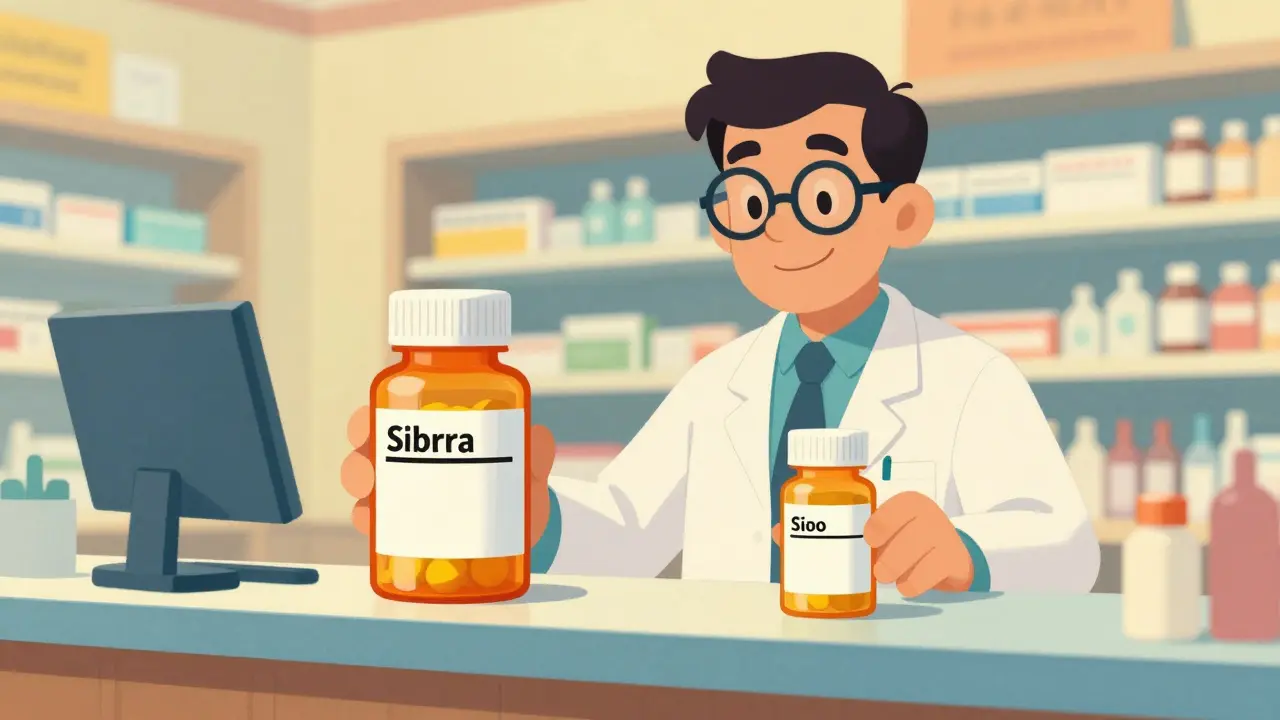
Imagine walking into a pharmacy with a prescription for a life-saving heart medication. The pharmacist hands you two options: the original brand-name drug priced at $350, or a generic version that looks slightly different but costs nearly nothing. Most of us grab the generic without thinking twice because saving money is smart. But have you ever wondered if that cheaper pill actually works the same way? It is a common fear that cutting corners on price means cutting corners on quality. The reality, backed by decades of rigorous science, is far more reassuring.
Generic medications are not inferior copies; they are pharmaceutical equivalents required by law to perform identically to their brand-name counterparts in your body. In the United States alone, generics make up about 90% of all prescriptions filled today. This massive shift isn't just about budgeting-it is the result of strict regulatory frameworks designed to ensure safety and efficacy. Understanding how these drugs are approved, what "bioequivalence" really means, and when you might need to stick with the brand can save you thousands of dollars while keeping you healthy.
How Generic Drugs Are Approved
To understand why generics are safe, you first need to look at how they get to the shelf. When a pharmaceutical company develops a new drug, they spend billions of dollars and years conducting clinical trials to prove it is safe and effective. Once proven, they receive a patent that gives them exclusive rights to sell that drug for a certain period, usually 20 years from the filing date. During this time, no one else can legally make or sell that specific molecule.
Once that patent expires, other manufacturers can step in. However, they do not start from scratch. Thanks to the Drug Price Competition and Patent Term Restoration Act of 1984 (commonly known as the Hatch-Waxman Act), generic manufacturers do not need to repeat those expensive, lengthy human trials. Instead, they use an abbreviated approval pathway. They must prove that their product contains the exact same active ingredient, in the same strength, dosage form (like a tablet or capsule), and route of administration (oral, injection, etc.) as the original brand-name drug, also called the Reference Listed Drug (RLD).
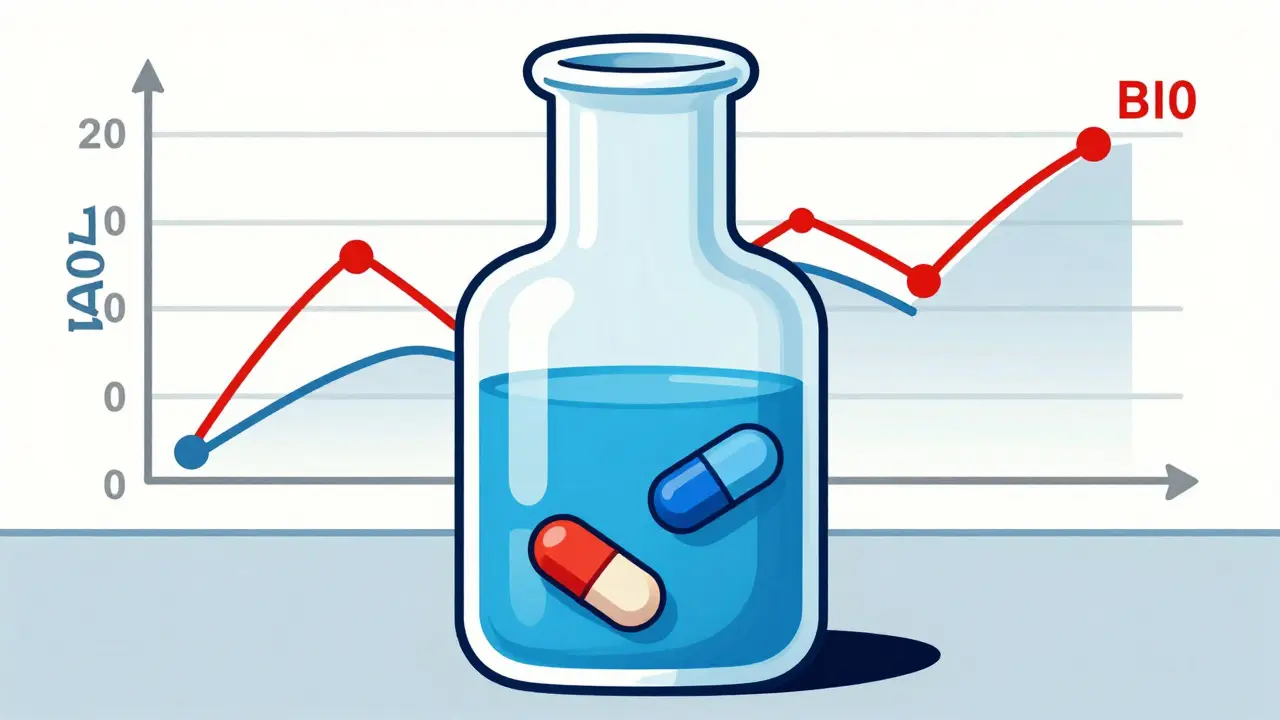
The core requirement here is Bioequivalence. Bioequivalence ensures that the generic drug enters the bloodstream at the same rate and to the same extent as the brand-name drug. To demonstrate this, generic makers conduct randomized crossover trials with healthy volunteers. They measure pharmacokinetic parameters-specifically, the maximum peak concentration (Cmax) and the area under the curve (AUC, which represents total exposure). For a generic to be approved, the 90% confidence intervals for these metrics must fall within 80% to 125% of the brand-name drug's values.
This 80%-125% range often causes confusion. Many people mistakenly believe this means the generic could contain only 80% of the active ingredient. That is incorrect. The active ingredient content must be identical. The range applies to how quickly and completely your body absorbs the drug. In practice, the differences are tiny. A major analysis of over 2,000 bioequivalence studies found that the average difference in absorption was less than 4%, with 98% of studies showing differences under 10%. For most medications, such minor variations are clinically irrelevant.
The Real Impact on Your Wallet
While the science ensures safety, the economics drive adoption. Generic drugs typically cost 80% to 85% less than their brand-name equivalents. Why such a huge drop? Without the burden of recouping billions in research and development costs, generic manufacturers compete primarily on price. This competition drives costs down dramatically.
| Medication Class | Brand-Name Example | Brand Cost (30-day supply) | Generic Cost (30-day supply) | Potential Savings |
|---|---|---|---|---|
| Statin (Cholesterol) | Lipitor (atorvastatin) | $335.37 | $0.00 - $15.00* | >$300 |
| Antiplatelet (Blood Thinner) | Plavix (clopidogrel) | $450.22 | $0.00 - $10.00* | >$400 |
| Antidepressant | Zoloft (sertraline) | $200.00 | $4.00 - $10.00 | ~$190 |
Nationally, this translates to roughly $373 billion in annual savings for the U.S. healthcare system. For individuals, especially those managing chronic conditions requiring lifelong medication, switching to generics can mean the difference between adhering to a treatment plan and skipping doses due to cost. Medicare Part D plans, for instance, see 92% of prescriptions filled with generics, largely driven by lower copays for patients.
Are Generics Always Just as Effective?
For the vast majority of drugs, yes. A systematic review of 38 cardiovascular medication trials found clinical equivalence in 35 of them. This included critical classes like beta-blockers, statins, ACE inhibitors, and warfarin. Furthermore, a landmark Austrian study published in *Scientific Reports* analyzed data from 1.2 million patients across 17 drug classes. The findings were striking: generic medications were at least similar, and in some cases superior, to branded counterparts regarding mortality and major cardiovascular events. Patients taking generics had significantly fewer deaths in 10 of the 17 drugs studied.
However, there are exceptions. These involve Narrow Therapeutic Index (NTI) drugs. NTI drugs have a very small window between the dose that helps you and the dose that harms you. Even slight variations in blood concentration can lead to treatment failure or toxicity. Examples include digoxin (for heart failure), levothyroxine (for thyroid issues), lithium (for bipolar disorder), phenytoin (for seizures), and warfarin (a blood thinner).
For these specific medications, consistency is key. While many generic versions of NTI drugs are FDA-certified as interchangeable, experts recommend staying with the same manufacturer once you find a version that works well for you. If your pharmacist switches you from one generic maker to another, ask for monitoring. Blood tests should be done within 7 to 14 days after any switch to ensure your levels remain stable.
Decoding the FDA Rating System
Not all generics are created equal in terms of interchangeability. The FDA uses a rating system to help doctors and pharmacists choose the right substitute. You can look up these ratings in the FDA’s Orange Book, which is updated quarterly.
- AB-Rated: These generics have demonstrated the highest level of bioequivalence. They are considered therapeutically equivalent to the brand-name drug and can generally be substituted automatically by pharmacists.
- B-Rated: These generics meet FDA requirements but may show slightly lower bioequivalence or have different inactive ingredients that could affect absorption in rare cases. They are often better suited for initial therapy rather than substituting for a patient already stable on a brand or AB-rated generic.
If you are concerned about a specific medication, you can check its rating online. For most common drugs like antibiotics, pain relievers, and cholesterol meds, AB-rated generics are widely available and perfectly safe.
Addressing Common Myths and Concerns
Despite the evidence, skepticism persists. A 2022 survey by *Pharmacy Times* found that 43% of patients believed generics were less effective, with many citing concerns about inactive ingredients. Inactive ingredients-such as fillers, binders, dyes, and coatings-do differ between brands and generics. They hold the pill together or control how it dissolves. For most people, these differences are harmless. However, if you have a severe allergy to a specific dye or filler (like lactose or gluten), you should inform your pharmacist so they can select a generic with compatible inactive ingredients.
Another myth is that brand-name companies market their products as superior through psychological influence. Bioethicist Dr. Arthur Caplan notes that marketing efforts have successfully sown doubt despite overwhelming evidence to the contrary. Patient experiences on forums like Reddit reflect this divide: while 67% report identical experiences, a significant minority describe issues, particularly with levothyroxine. This highlights the importance of individual monitoring rather than blanket rejection of generics.
When to Stick with the Brand
There are legitimate scenarios where sticking with the brand-name drug makes sense:
- Complex Formulations: Some drugs, like inhalers, topical creams, or extended-release capsules, have complex delivery mechanisms. The FDA requires additional demonstration of equivalence for these "complex generics." If you notice a change in effectiveness after switching, discuss it with your doctor.
- Personal Sensitivity: If you have tried multiple generics and experienced side effects or reduced efficacy, your doctor may write the prescription as "Dispense As Written" (DAW). This prevents automatic substitution.
- Insurance Coverage: Occasionally, insurance plans may cover the brand name with a low copay while charging more for certain generics, though this is rare. Always check your formulary.
For most patients, however, the default should be the generic. It is safer, cheaper, and scientifically proven to work.
Do generic drugs have the same side effects as brand-name drugs?
Yes. Because the active ingredient is identical, the risk profile is the same. Any differences in side effects are usually due to inactive ingredients, which rarely cause issues unless you have a specific allergy.
Can I switch back and forth between brand and generic?
For most drugs, yes. However, for Narrow Therapeutic Index (NTI) drugs like warfarin or levothyroxine, frequent switching can cause fluctuations in blood levels. It is best to stay consistent with one manufacturer once you find a version that works well for you.
Why do generic pills look different from brand-name pills?
Generics can have different colors, shapes, and markings because they use different inactive ingredients (dyes, binders). This is allowed as long as the active ingredient and bioequivalence meet FDA standards. The appearance does not affect efficacy.
What is the Hatch-Waxman Act?
The Drug Price Competition and Patent Term Restoration Act of 1984 created the legal framework for generic drugs. It allowed generics to bypass full clinical trials by proving bioequivalence, accelerating their entry into the market and lowering costs.
Are biosimilars the same as generic drugs?
No. Biosimilars are highly similar versions of biologic drugs (made from living cells), whereas generics are chemical copies of small-molecule drugs. Biosimilars cannot be identical due to the complexity of biological manufacturing, but they must demonstrate no clinically meaningful differences in safety, purity, and potency.



12 Comments
I really appreciate this breakdown because it clears up so much confusion for people like me who just want to stay healthy without going broke. It is comforting to know that the science backs up the savings. :) I have been on generic statins for years and feel great, but I always had a tiny nagging worry in the back of my mind. This article puts that fear to rest completely.
You are absolutely ignoring the elephant in the room!!! The fact that these companies cut corners on inactive ingredients is a massive red flag!!! Who regulates the fillers??? Nobody cares about the dyes!!! They just want your money!!!
The very concept of 'bioequivalence' is a philosophical trap designed to keep us docile! We are told that 80-125% is acceptable, but why do we accept mediocrity as the standard? The body is not a machine; it is a symphony! You cannot swap out the violinist for a cheaper model and expect the same harmony! It is a betrayal of the self!
Typical populist drivel appealing to the lowest common denominator. The nuance of pharmacokinetics is lost on those who cannot grasp the intricacies of Cmax and AUC ratios. If you are too intellectually lazy to understand the Hatch-Waxman Act, perhaps you should stick to over-the-counter remedies. The elite understand that brand consistency matters for complex formulations, unlike the masses who blindly trust regulatory bodies.
This is exactly why America is failing! We let foreign manufacturers flood our market with cheap pills while our own pharmaceutical giants go bankrupt trying to innovate! It is an insult to American ingenuity! We should be proud of our brands, not ashamed to pay for quality! These generics are a sign of weakness!
You need to stop lying to yourself. Your body knows the difference. I switched to a generic thyroid med and felt terrible. My doctor ignored me. Stick to the brand or die trying to save five bucks.
One must consider the moral implications of cost-cutting in healthcare. Is it ethical to prioritize profit margins over the subtle differences in patient experience? The formal structure of the FDA ratings suggests equivalence, yet the casual reality of side effects tells a different story. We are all victims of a system that values efficiency over individual well-being. Think about it.
According to the FDA Orange Book, AB-rated generics are therapeutically equivalent. There is no debate here. If you are experiencing issues, it is likely due to non-compliance or other health factors. The data from 1.2 million patients shows generics are often superior in mortality outcomes. Stop spreading misinformation based on anecdotal feelings.
They dont tell you about the heavy metals in the binders!!! Its all part of the plan to control our population through medication!!! The bioequivalence studies are fake!!! Big Pharma owns the FDA!!! Wake up sheeple!!!
I find the section on Narrow Therapeutic Index drugs particularly useful. It highlights the importance of monitoring when switching manufacturers. For most people, the savings are significant, but for those on lithium or warfarin, caution is definitely warranted. Thank you for clarifying the distinction between NTI and standard drugs.
This is a great resource for anyone managing chronic conditions. Remember that consistency is key, especially if you are on sensitive medications. Don't hesitate to talk to your pharmacist about inactive ingredients if you have allergies. Saving money is important, but your health comes first. Keep learning and stay informed!
Oh please!! Everyone says generics are fine until they take one and feel like garbage!! My mom took a generic blood pressure pill and her heart started racing!! It was terrifying!! Why do doctors push these cheap pills?? They don't care about us!! :((((
Write a comment