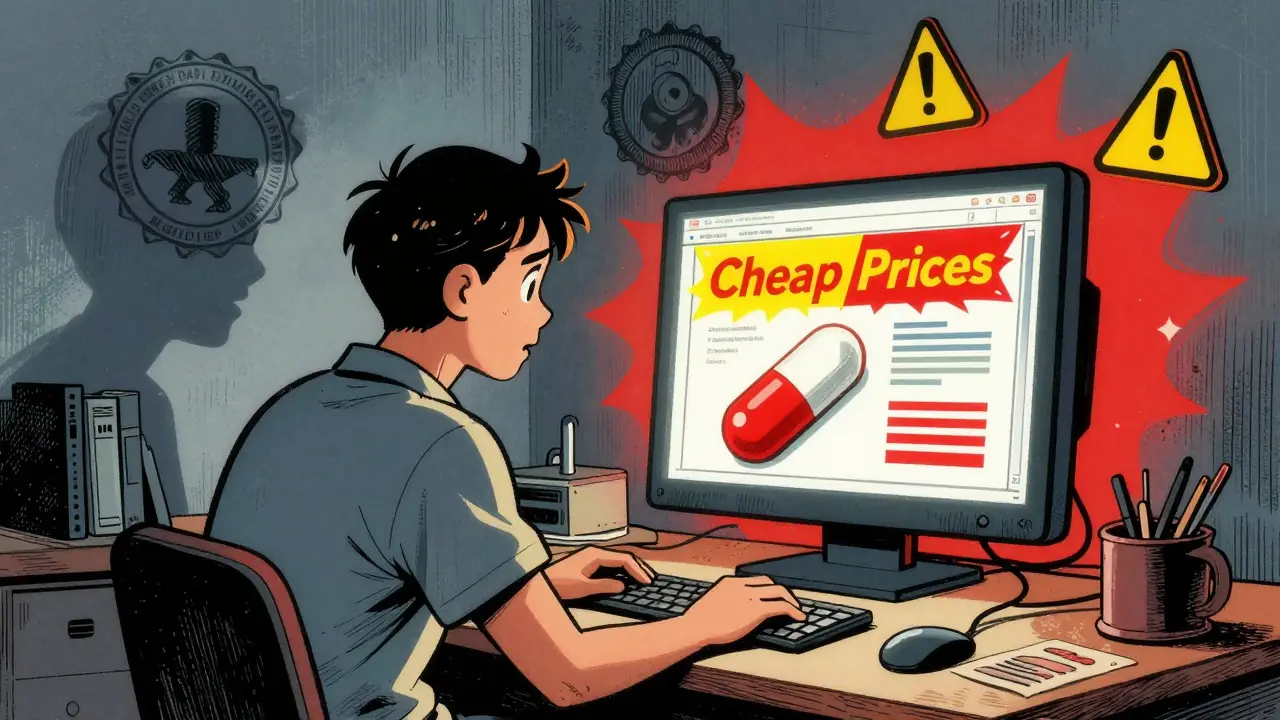
Imagine needing your daily heart medication or a specific antibiotic, but you’re stuck at home with no easy way to get it. You search online, find a site with cheap prices, and order. But what if that pill isn’t real? What if it contains toxic levels of active ingredients or nothing at all? This is the harsh reality for many people who turn to unverified online pharmacies digital platforms that dispense prescription medications without proper regulatory oversight. The internet is flooded with illegal operations selling dangerous counterfeits. However, there is a safe path forward. Licensed online pharmacies exist, they are regulated, and they offer a secure way to manage your health from home.
Finding these legitimate services requires more than just trusting a website’s appearance. It demands knowing exactly where to look for verification seals and how to cross-reference them with official databases. In this guide, we will walk through the specific steps to identify safe services, understand the accreditation programs that matter, and recognize the red flags that signal danger.
The Reality of Online Pharmacy Safety
The market for digital healthcare has exploded, but so has the risk. According to research from the National Institutes of Health (NIH), thousands of websites operate as illegal online pharmacies. A 2015 study found that only 6% of examined sites met basic safety standards set by regulatory authorities. Today, the U.S. Food and Drug Administration (FDA) estimates that approximately 96% of all pharmacy websites operating globally are illegal. These rogue sites often mimic the look of legitimate businesses, using fake storefronts and stolen logos to gain trust.
The danger is not theoretical. The FDA’s MedWatch program recorded nearly 1,842 adverse event reports related to online pharmacy purchases in 2022 alone. Of those, 67% involved counterfeit medications, and 29% involved incorrect dosages. Consumer Reports documented cases where users received pills containing 200-300% more active ingredient than labeled, leading to severe health consequences. This is why verifying the license of an online pharmacy is not just a formality; it is a critical safety step.
Key Verification Seals and Accreditation Programs
Not all badges on a website are created equal. Scammers can easily create fake images of seals. To stay safe, you must look for specific, verifiable accreditations. Here are the most important ones to know:
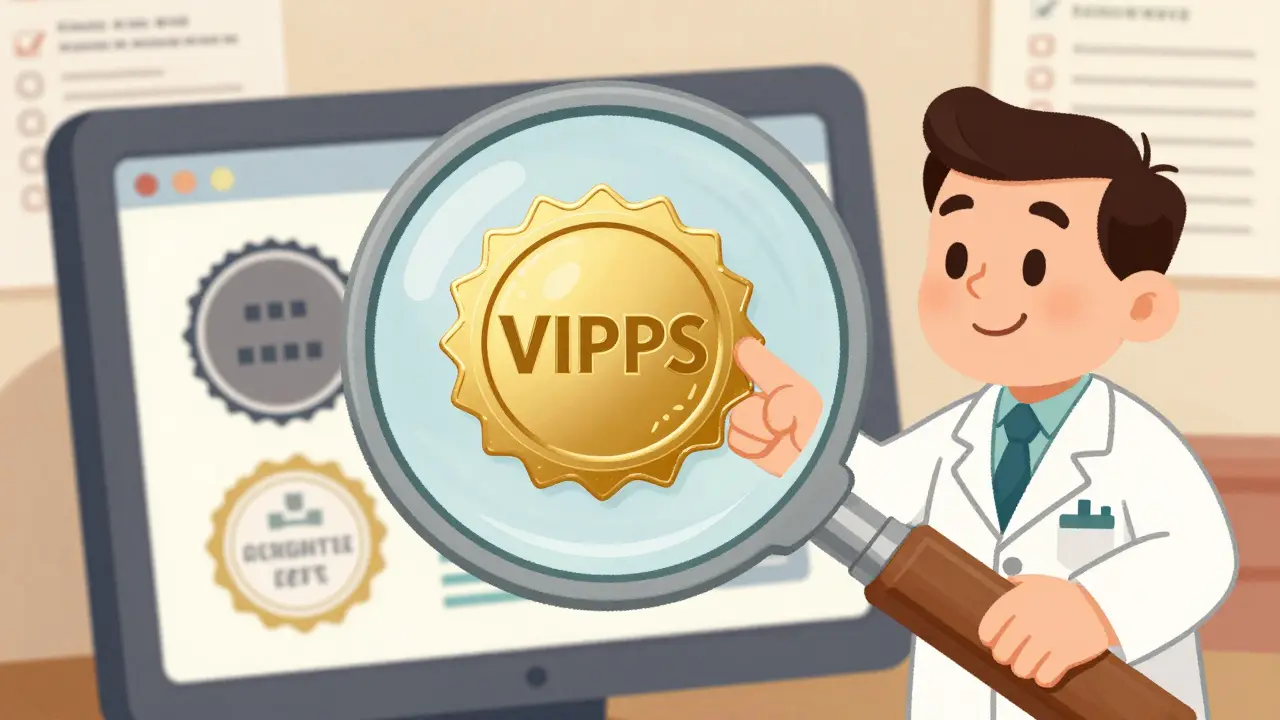
- VIPPS (Verified Internet Pharmacy Practice Sites): Administered by the National Association of Boards of Pharmacy (NABP), this is the gold standard in the U.S. As of October 2023, only 68 pharmacies held this accreditation. VIPPS requires pharmacies to meet 17 specific criteria across six categories, including licensure, patient consultation, and security measures.
- PharmacyChecker Verified: This independent verification program evaluates pharmacies against 86 possible audit points. They conduct mystery shopping tests and periodic re-evaluations. If a pharmacy is listed here, it has undergone rigorous scrutiny.
- .pharmacy Domain: This is a restricted domain extension. You cannot simply register a .pharmacy address. It is administered by NABP’s Healthcare Merchant Accreditation Program and requires proof of active licensing. For Canadian pharmacies, provincial licensing is required before eligibility.
- LegitScript Certification: While not always displayed prominently, this certification is required by major credit card companies and platforms like Amazon and Facebook for pharmacy-related transactions. It serves as a backend safety net.
If a website displays a seal that looks slightly off, or if clicking the seal does not take you to the official NABP or PharmacyChecker website, treat it as a major red flag. The FDA has specifically warned about counterfeit VIPPS seals appearing on illegal sites.
Step-by-Step Guide to Verifying an Online Pharmacy
Verifying a pharmacy takes about 10-15 minutes. Follow this protocol to ensure you are dealing with a legitimate service:
- Check for Prescription Requirements: Legitimate pharmacies always require a valid prescription from a licensed healthcare provider. If a site offers to sell you controlled substances or prescription-only meds after a simple online questionnaire without seeing a doctor, avoid it. The FDA emphasizes that proper prescription validation is non-negotiable.
- Verify Physical Address and Phone Number: Look for a physical street address in the United States (or your country of residence) and a working telephone number. Do not accept P.O. Boxes as primary contact information. Call the number to ensure a real person answers.
- Use the BeSafeRx Location Tool: Visit the FDA’s BeSafeRx website. Use their location tool to cross-reference the pharmacy’s name and address with state board of pharmacy databases. This confirms whether the pharmacy is registered and in good standing.
- Confirm Pharmacist Availability: A licensed online pharmacy must have a licensed pharmacist available for consultation. Check if the site offers a chat feature or phone line to speak with a pharmacist about drug interactions or side effects. Trustpilot reviews show that 78% of positive feedback for VIPPS-accredited pharmacies mentions pharmacist availability.
- Inspect Security Protocols: Ensure the website uses HTTPS encryption. Look for the padlock icon in the browser address bar. This ensures your personal and financial data is encrypted during transmission.
Red Flags That Signal an Illegal Pharmacy
Even if a site looks professional, certain behaviors are clear indicators of illegitimacy. Watch out for these warning signs:
| Feature | Legitimate Pharmacy | Illegal/Risky Pharmacy |
|---|---|---|
| Prescription Requirement | Requires valid prescription from licensed provider | Sells without prescription or uses fake online doctors |
| Pricing | Competitive but realistic prices | Prices significantly lower than market average |
| Payment Methods | Credit cards, debit cards, secure online payments | Wire transfers, cryptocurrency, money orders |
| Contact Information | Physical address, working phone number, licensed pharmacist | No address, P.O. Box only, no direct contact |
| Accreditation | VIPPS, PharmacyChecker, .pharmacy domain | Fake seals, unverifiable badges, or no accreditation |
One of the biggest red flags is payment method. Express Scripts’ safety guidelines note that legitimate pharmacies accept standard payment methods. If a site asks for a wire transfer or cryptocurrency, it is likely a scam designed to avoid chargebacks and traceability.
Navigating International and Canadian Pharmacies
Many consumers look to Canadian online pharmacies for lower costs. However, this comes with unique verification challenges. The National Association of Provincial Regulatory Bodies (NAPRA) reports that numerous websites falsely claim Canadian licensing while operating from other jurisdictions. In a 2022 audit, 42% of websites claiming Canadian licensing were found to be operating from non-Canadian locations.
To safely use a Canadian online pharmacy, you must employ dual verification methods:
- Provincial Registry Check: Verify the pharmacy through the specific provincial pharmacy regulatory authority in Canada (e.g., Ontario College of Pharmacists).
- NABP Healthcare Merchant Accreditation: Confirm the pharmacy holds status with the NABP. This ensures they meet international safety standards even if they are based outside the U.S.
Never accept a website’s claim of being "Canadian" at face value. Always dig deeper into their regulatory standing.
Why Verification Matters for Your Health
The convenience of online ordering is undeniable. McKinsey & Company predicts that by 2025, 45% of all prescription medications in the U.S. will be ordered through licensed online channels. With such high volume, the stakes are higher than ever. Using a verified service ensures that:
- Medications are Authentic: You receive the correct drug with the correct dosage, avoiding the risk of toxic counterfeits.
- Privacy is Protected: Legitimate pharmacies adhere to strict privacy practices and HIPAA regulations, keeping your medical history secure.
- Professional Oversight Exists: You have access to pharmacists who can catch potential drug interactions that could harm your health.
The American Pharmacists Association states clearly that online pharmacies must maintain the same standard of care as brick-and-mortar operations. When you choose a VIPPS-accredited or PharmacyChecker-verified service, you are ensuring that standard is met.
How do I know if an online pharmacy is licensed?
Look for the VIPPS seal from the National Association of Boards of Pharmacy (NABP) or verification from PharmacyChecker. Cross-reference the pharmacy’s name and address using the FDA’s BeSafeRx location tool to confirm their state board registration. Legitimate pharmacies will also display a physical address and provide access to a licensed pharmacist.
Are Canadian online pharmacies safe?
Some are, but many are not. Many websites falsely claim to be Canadian. To ensure safety, verify the pharmacy through the relevant Canadian provincial regulatory authority and check if they hold NABP Healthcare Merchant Accreditation. Never rely solely on the website’s claims.
What is the VIPPS seal?
VIPPS stands for Verified Internet Pharmacy Practice Sites. It is an accreditation program run by the NABP that certifies online pharmacies meet strict safety, privacy, and practice standards. Only a small fraction of online pharmacies hold this seal, making it a strong indicator of legitimacy.
Can I buy prescription drugs online without a prescription?
No. Legitimate licensed online pharmacies always require a valid prescription from a licensed healthcare provider. Any site offering to sell prescription medications without a prescription is likely illegal and may be distributing counterfeit or unsafe drugs.
What should I do if I suspect I received counterfeit medication?
Stop taking the medication immediately. Contact your healthcare provider for advice. Report the incident to the FDA through their MedWatch program and consider reporting the pharmacy to the Federal Trade Commission (FTC). Keep the packaging and any remaining pills as evidence.