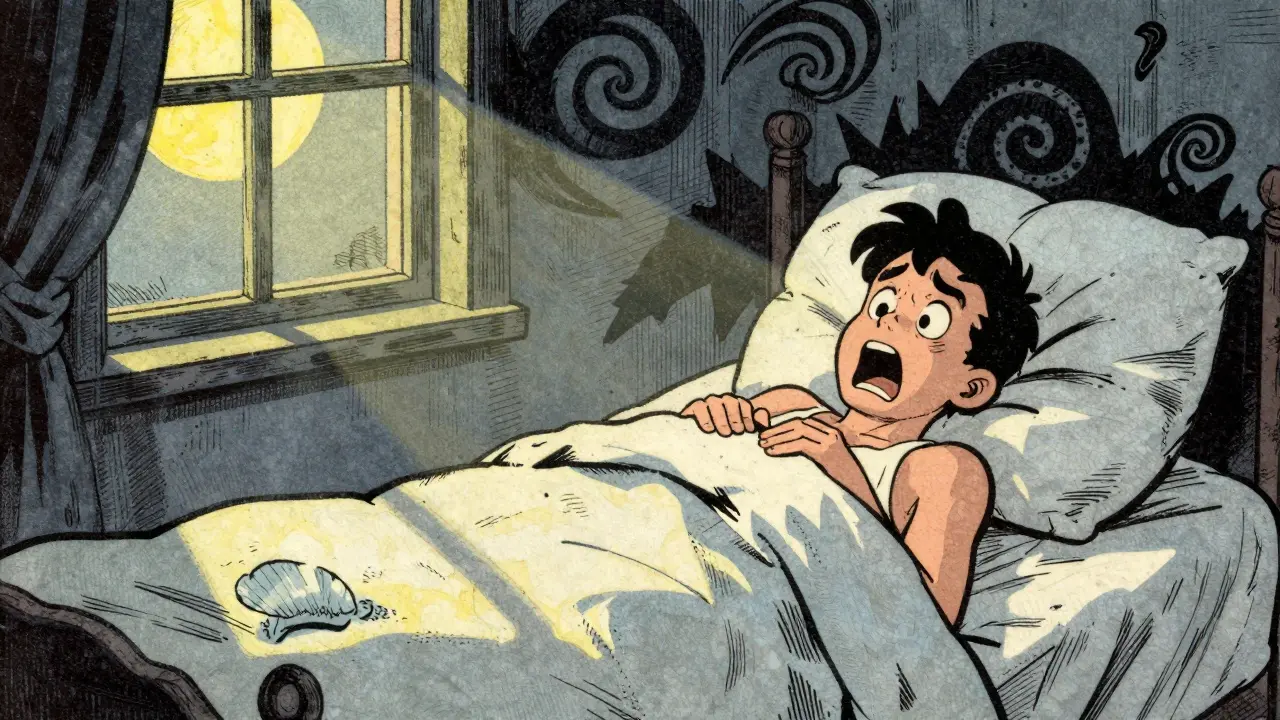
Waking up gasping for air, heart pounding, trapped in the loop of a terrifying dream that feels more real than reality? If you live with Post-Traumatic Stress Disorder (PTSD) is a mental health condition triggered by experiencing or witnessing a terrifying event, this is likely your nightly routine. Nightmares aren't just bad dreams; they are a core symptom of trauma that disrupts sleep, drains energy, and keeps the nervous system on high alert. But there is a specific, evidence-based way to rewrite these scripts without needing medication.
This approach is called Imagery Rehearsal Therapy (IRT) is a cognitive-behavioral intervention designed to treat trauma-related nightmares by rewriting the dream narrative. It’s not about forgetting what happened. It’s about changing how your brain processes the memory while you sleep. IRT is currently considered the first-line psychological treatment for nightmare disorder, recommended by major health organizations before trying medications like prazosin.
Why Nightmares Persist in PTSD
To understand why IRT works, we have to look at why nightmares happen in the first place. For people with PTSD, the brain struggles to process traumatic memories during the day. At night, when the conscious guard is down, these unprocessed fragments resurface as vivid, distressing dreams. Research shows that up to 72% of individuals with PTSD suffer from chronic nightmares.
These nightmares create a vicious cycle. You fear going to sleep because you know the terror awaits. This anxiety leads to poor sleep quality, which worsens PTSD symptoms during the day, making you even more vulnerable to nightmares at night. Standard PTSD treatments often address daytime anxiety but leave this specific sleep disturbance untouched. IRT fills that gap by targeting the nightmare itself.
The Core Mechanism: How IRT Rewires Dreams
IRT operates on the principle of 'rehearsal.' Just as an actor rehearses lines to perform confidently, you rehearse a new version of your dream to change its outcome. The therapy relies on the concept of Cognitive Reappraisal is the process of changing the way one thinks about a situation to alter its emotional impact. By actively creating a less distressing ending, you signal to your brain that you are safe now, even if you weren't then.
The process doesn't require you to confront the trauma head-on in the same way exposure therapy does. Instead, it focuses on control and resolution. Studies show IRT produces large effect sizes in reducing nightmare frequency (d = 1.24) and improving sleep quality (d = 0.98). The benefits aren't temporary; meta-analyses confirm these improvements last for 6 to 12 months after treatment ends.
Step-by-Step: The Four Pillars of IRT
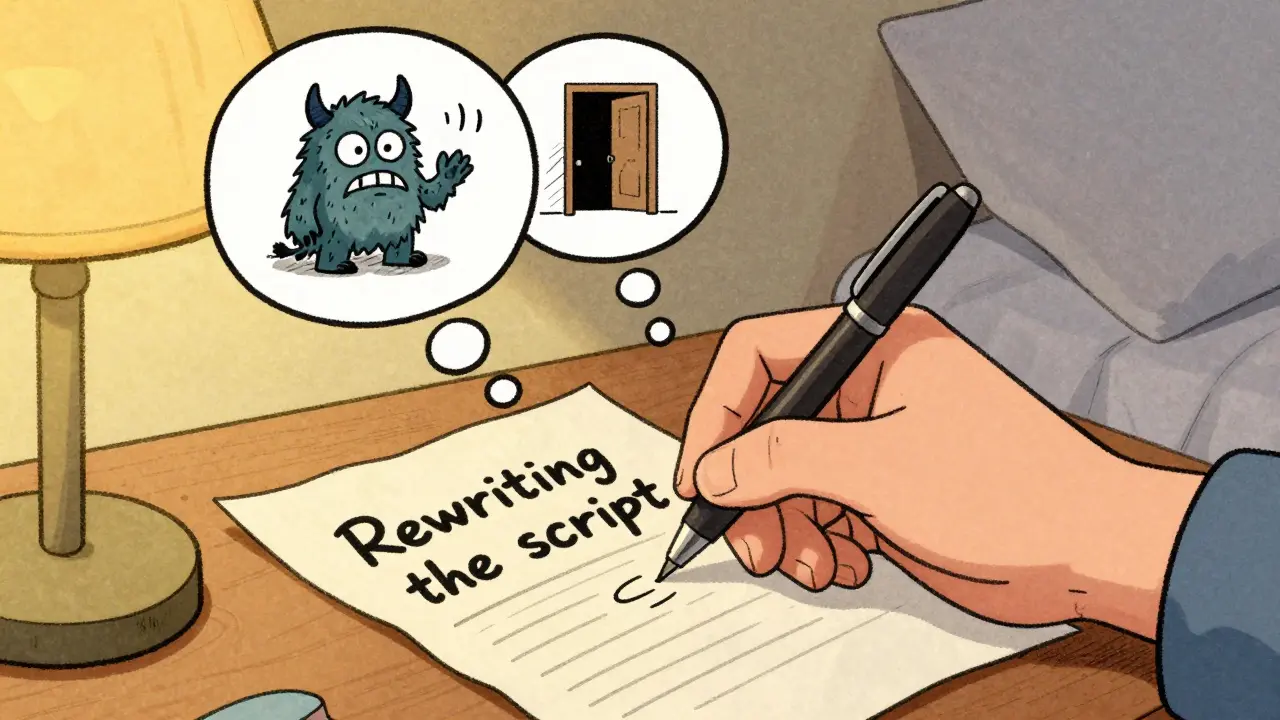
IRT is structured and straightforward. You can start practicing the basics immediately, though working with a trained therapist yields the best results. Here is the standard four-step protocol used in clinical settings:
- Write Down the Nightmare: Keep a pen and paper by your bed. When you wake up from a recurring nightmare, write down the details while they are fresh. Avoid using phones or tablets-the blue light from screens can suppress melatonin and disrupt your ability to fall back asleep.
- Create a New Ending: Rewrite the script. Change the ending to something positive, neutral, or even humorous. The key is that the new ending must be less distressing than the original. For example, if you are being chased, you might write that you turn around and see the pursuer is actually a harmless animal, or that you find a door to safety.
- Mental Rehearsal: During the day, spend 5-10 minutes visualizing the new script. Close your eyes and imagine the scenes clearly. Engage all your senses-what do you see, hear, and feel in this new version?
- Nightly Practice: Before going to sleep each night, read your new script and visualize it again. Combine this with relaxation techniques like Progressive Muscle Relaxation (PMR) is a technique involving tensing and relaxing muscle groups to reduce physical tension to lower your overall arousal level.
IRT vs. Medication: Making the Right Choice
For years, doctors prescribed prazosin, an alpha-1 blocker, to veterans and PTSD patients to stop nightmares. However, a major 2018 clinical trial involving 304 U.S. military veterans found that prazosin performed no better than a placebo in reducing nightmare frequency. This shift in understanding has made behavioral therapies like IRT the preferred choice.
| Feature | Imagery Rehearsal Therapy (IRT) | Prazosin (Medication) |
|---|---|---|
| Type | Behavioral/Psychological | Pharmacological |
| Efficacy | High (Large effect size d=1.24) | Low (No better than placebo in recent trials) |
| Side Effects | None | Dizziness, low blood pressure, fatigue |
| Duration | 4-6 weeks typical | Ongoing daily use |
| Long-term Benefit | Sustained after treatment ends | Dependent on continued use |
IRT offers a sustainable solution without the risk of side effects or dependency. While some patients combine IRT with Cognitive Behavioral Therapy for Insomnia (CBT-I) for broader sleep issues, IRT alone is highly effective specifically for nightmares.

Common Challenges and How to Overcome Them
Starting IRT isn't always easy. Many people resist changing the narrative of their trauma. They feel that altering the dream dishonors the reality of what happened. It’s crucial to distinguish between the memory of the event and the dream representation of that memory. Changing the dream ending doesn’t change the facts of your past; it changes the power the memory has over your present.
Another common hurdle is perfectionism. Some patients try to make the new script 'realistic' or 'perfect,' which adds stress. Remember, the goal is not realism-it’s relief. If writing a happy ending feels impossible, aim for a neutral one. Simply stopping the threat is enough. For instance, instead of fighting the attacker, you might just walk away calmly. The focus should be on reducing distress, not winning a battle in your mind.
Inconsistency is the third killer of success. IRT requires practice. Missing nights breaks the rehearsal pattern. Use a sleep diary to track your progress. Note the frequency of nightmares (how many per week), intensity (0-10 scale), and whether you practiced the script. Seeing small improvements on paper can motivate you to keep going when motivation dips.
When to Seek Professional Help
While you can practice IRT independently, professional guidance accelerates results. Look for clinicians trained in both trauma therapy and sleep medicine. In the UK and US, many NHS trusts and VA hospitals offer specialized PTSD programs that include IRT. About 83% of veterans completing IRT report at least a 50% reduction in nightmares, with 62% achieving complete cessation.
If you have complex trauma histories or comorbid sleep disorders like sleep apnea, IRT might need to be adapted. A therapist can help tailor the script to ensure it doesn’t trigger additional anxiety. They can also integrate IRT with other treatments like EMDR or prolonged exposure therapy for a comprehensive recovery plan.
How long does Imagery Rehearsal Therapy take to work?
Most patients experience noticeable improvement within 2 to 3 weeks of consistent practice. Standard protocols typically last 4 to 6 weekly sessions. However, individual results vary based on the complexity of the trauma and adherence to the nightly rehearsal practice.
Can I do IRT without a therapist?
Yes, IRT is designed to be self-administrable. Clinical manuals provide clear instructions for writing and rehearsing scripts. However, working with a trained therapist improves outcomes significantly, especially if you struggle with resistance or finding a suitable new ending.
What if my nightmare keeps changing?
This is common. Create a new script for each variation of the nightmare. Focus on the core theme of distress (e.g., being trapped) and apply a new ending that resolves that specific feeling. Consistency in the rehearsal process matters more than consistency in the dream content.
Is IRT safe for everyone with PTSD?
IRT is generally safe and non-invasive. However, individuals with severe dissociation or active psychosis may need modified approaches. Always consult a healthcare provider before starting any new treatment for PTSD to ensure it fits your specific clinical picture.
Does IRT cure PTSD?
IRT specifically targets nightmares, not all symptoms of PTSD. While reducing nightmares can improve overall functioning and mood, it is usually part of a broader treatment plan that addresses daytime anxiety, flashbacks, and avoidance behaviors.