Drug Accumulation Risk Estimator
This tool estimates the potential risk of drug accumulation based on the concepts of half-life and organ function. Disclaimer: This is an educational simulator and not a clinical diagnostic tool.
Risk Analysis
Imagine taking a pill every day for three years. For the first two years, you feel fine. Then, suddenly, you start experiencing shortness of breath or joint pain. You haven't changed your dose, and you haven't started any new meds. Why now? This is the reality of cumulative drug toxicity is a pharmacological phenomenon where a substance builds up in the body faster than it can be broken down or removed, eventually reaching a level that triggers harmful effects . Unlike a typical allergic reaction that happens immediately, this is a slow burn. It is the difference between getting a sudden electric shock (acute toxicity) and a slow leak in a dam that eventually bursts (cumulative toxicity).
Why some drugs build up while others don't
Not every medication has the potential to accumulate. Whether a drug builds up depends on its "half-life"-the time it takes for your body to clear half of the substance from your system. When a drug has a half-life longer than 24 hours, it can easily stack up if you take the next dose before the previous one is gone.
Certain types of substances are more prone to this than others. Fat-soluble compounds, such as vitamins A, D, E, and K, don't just float in the blood; they hide away in adipose tissue (body fat). Similarly, heavy metals like lead and mercury embed themselves in the bone. Because these storage areas are hard for the body to access and clear, these substances can have elimination half-lives ranging from 50 to 200 days. This means they aren't just "staying" in your system; they are actively stockpiling.
The danger zones: Liver and Kidney function
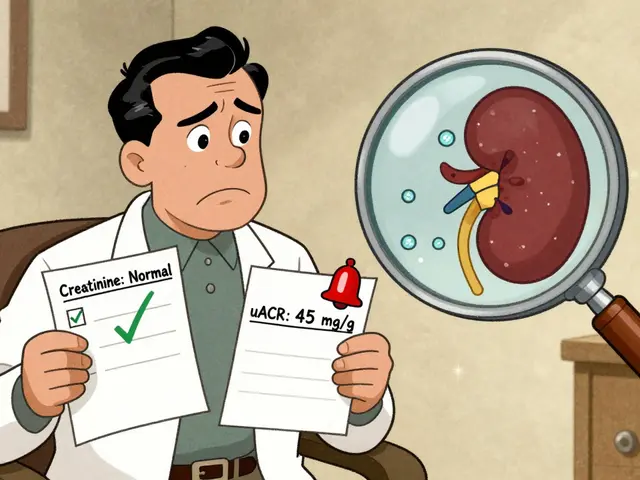
Your liver and kidneys are the primary cleanup crew for your body. If these organs aren't running at 100%, the risk of toxicity skyrockets. In patients with compromised organ function, the metabolism and excretion of drugs can be impaired by as much as 30% to 50%. When the exit doors are partially closed, the drug levels in the blood climb much higher than the doctor intended.
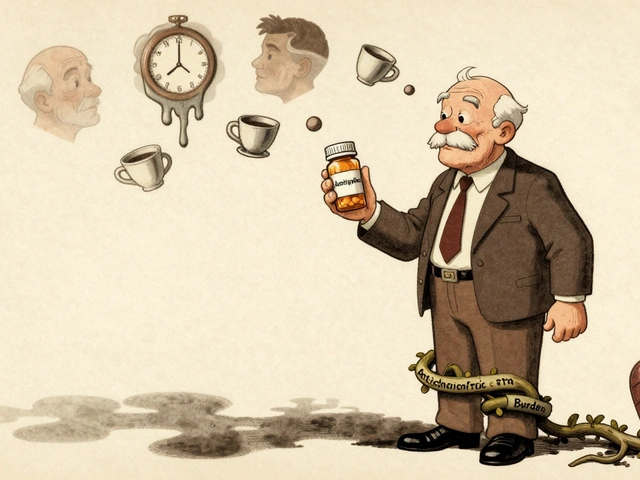
This is particularly dangerous for the elderly. In fact, about 68% of adverse drug reactions in older patients are linked to these cumulative effects. As we age, our kidney filtration rate naturally drops, making medications that were safe in our 30s potentially toxic in our 70s.
Acute vs. Cumulative Toxicity: Spotting the difference
It is easy to confuse these two, but the timing is everything. Acute toxicity happens fast-minutes or hours after a dose. Cumulative toxicity is a marathon, requiring weeks, months, or even years of repeated exposure before the symptoms manifest. This delayed onset often tricks patients into thinking the medication is safe, leading them to ignore early warning signs.
| Feature | Acute Toxicity | Cumulative Toxicity |
|---|---|---|
| Onset Time | Minutes to hours | Weeks to years |
| Cause | Single high dose or sudden reaction | Repeated doses over time |
| Recovery | Usually fast after stopping the drug | Slow, as the substance must be cleared from tissues |
| Key Risk Factors | Overdose, acute allergy | Kidney/Liver failure, long half-life |
High-risk medications and real-world examples
Some drug classes are notorious for this "stacking" effect. Anticoagulants (blood thinners), cardiac glycosides like digoxin, and certain antibiotics are frequent culprits. Because these drugs have a "narrow therapeutic index"-meaning the difference between a helpful dose and a poisonous dose is very small-even a slight accumulation can be dangerous.
Consider the case of amiodarone, a medication used for heart rhythm. A patient might have perfectly normal blood levels during their checkups, yet still develop pulmonary fibrosis (lung scarring) because the drug accumulated in the lung tissue itself over several years. This proves that a simple blood test doesn't always tell the whole story.
In cancer treatment, the risks are even more precise. Doctors track the "lifetime cumulative dose" of certain drugs. For instance, the cumulative dose of anthracyclines (chemotherapy drugs) is typically capped at 450 mg/m² to prevent permanent heart damage. Once you hit that ceiling, the risk of cardiotoxicity becomes too high to continue.
How doctors manage and prevent accumulation
The best way to stop toxicity is through therapeutic drug monitoring (TDM), which is the practice of measuring drug concentrations in the blood at specific intervals to adjust the dose. This is standard for medications like lithium or aminoglycoside antibiotics.
Modern medicine is moving toward smarter tracking. Some clinics now use cumulative dose tracking systems, which have been shown to reduce adverse events for drugs like methotrexate by 37%. Looking ahead, researchers at Memorial Sloan Kettering are testing AI models that analyze 27 different pharmacokinetic variables to predict an individual's risk of toxicity with 82% accuracy. This means instead of waiting for a patient to get sick, doctors might one day know exactly when to lower a dose before toxicity even begins.
What you can do as a patient
If you are on long-term medication, don't assume that "no side effects now" means "no side effects later." Be proactive about your health. Ask your doctor if your medication is known to accumulate or if you need periodic blood tests to check your kidney and liver function.
Keep a simple log of how long you've been taking a specific drug and at what dose. If you start noticing new, vague symptoms-like unusual fatigue, a persistent cough, or swelling in the ankles-mention them to your provider. These could be the early signals that your body's "cleanup crew" is struggling to keep up with the medication load.
Can cumulative toxicity happen if I take the exact dose prescribed?
Yes. Even if you follow the prescription perfectly, your body's ability to clear the drug can change over time. Factors like aging, a new secondary medication that interferes with metabolism, or a decline in kidney function can cause a previously safe dose to start accumulating.
Do all vitamins cause cumulative toxicity?
No. Only fat-soluble vitamins (A, D, E, and K) have this risk because they are stored in the body's fat and liver. Water-soluble vitamins, like Vitamin C or the B-complex, are generally flushed out through urine, meaning they rarely build up to toxic levels.
How long does it take for cumulative effects to show up?
It varies wildly depending on the drug. Some may show effects after a few months of treatment cycles (common in targeted cancer therapies), while others, like certain heavy metals or heart medications, may take several years of continuous use before reaching a critical threshold.
Is cumulative toxicity reversible?
It depends on the damage caused. While stopping the drug prevents further accumulation, the recovery is often much slower than with acute toxicity because the substance must slowly leach out of tissues like bone or fat. In some cases, such as pulmonary fibrosis or severe heart damage, the resulting scarring may be permanent.
Why aren't all drugs monitored with blood tests?
Monitoring (TDM) is expensive and time-consuming. It is usually reserved for drugs with a "narrow therapeutic index," where a small change in concentration leads to a big change in toxicity. For most drugs, the safety margin is wide enough that routine monitoring isn't clinically necessary.