Welcome to AutoradioRx – Your Practical Drug Resource
Looking for straight‑forward info on meds, doses, and side‑effects? You’re in the right spot. We pull together clinical research, autoradiography findings, and real‑world tips so you can see how a drug works and what to expect.
What You’ll Find Here
Every article breaks down a medication’s purpose, how to take it safely, and any red‑flags to watch. Need a quick dose guide for atorvastatin or safety notes on fluoro‑metholone? We’ve got concise, evidence‑backed pages that answer those questions without the jargon.
Why Trust Our Content
Our team follows strict editorial standards and cites up‑to‑date studies. We also cover the newest radiopharmaceutical discoveries, so you stay ahead of the curve. Whether you’re a patient, caregiver, or health‑curious reader, you’ll get clear facts you can act on.
Start exploring the latest drug guides, condition overviews, and supplement reviews. Let AutoradioRx make your medication decisions easier and safer.
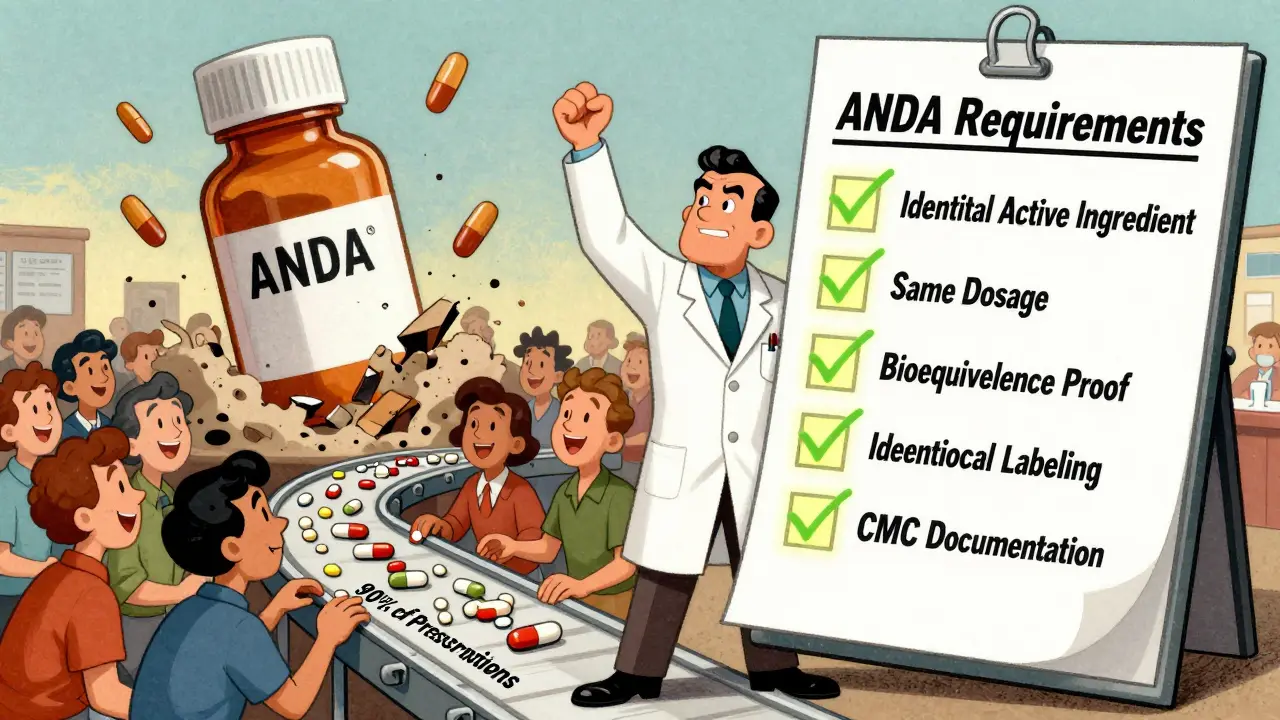
ANDA Process: Legal Requirements for Generic Drug Approval in the U.S.
- By : Tamsin Riverton
- Date : Jan 26 2026
The ANDA process is the legal pathway for generic drug approval in the U.S., governed by the Hatch-Waxman Act. It requires bioequivalence, identical active ingredients, and strict manufacturing standards to ensure safety and affordability.
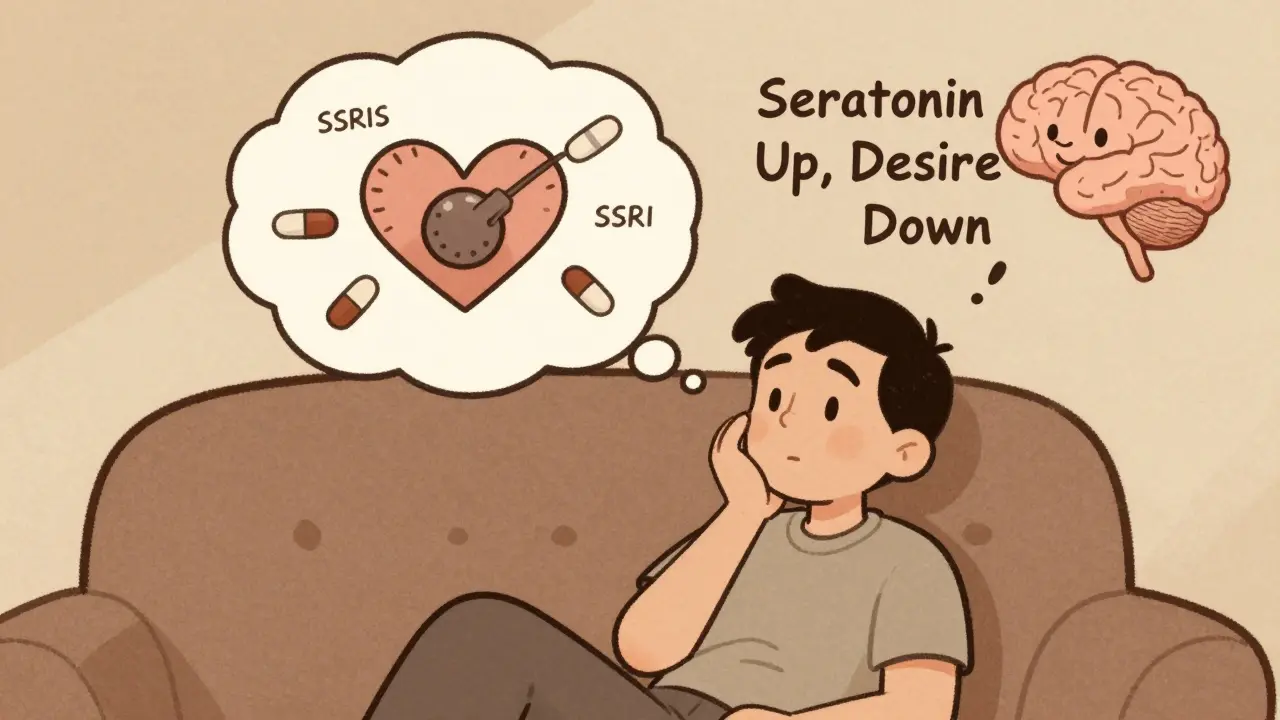
Sexual Side Effects from Antidepressants: Proven Solutions and Alternatives
- By : Tamsin Riverton
- Date : Jan 24 2026
Sexual side effects from antidepressants are common, affecting up to 70% of users. Learn proven solutions like switching to bupropion, adding sildenafil, or lowering doses-backed by clinical data and real-world outcomes.
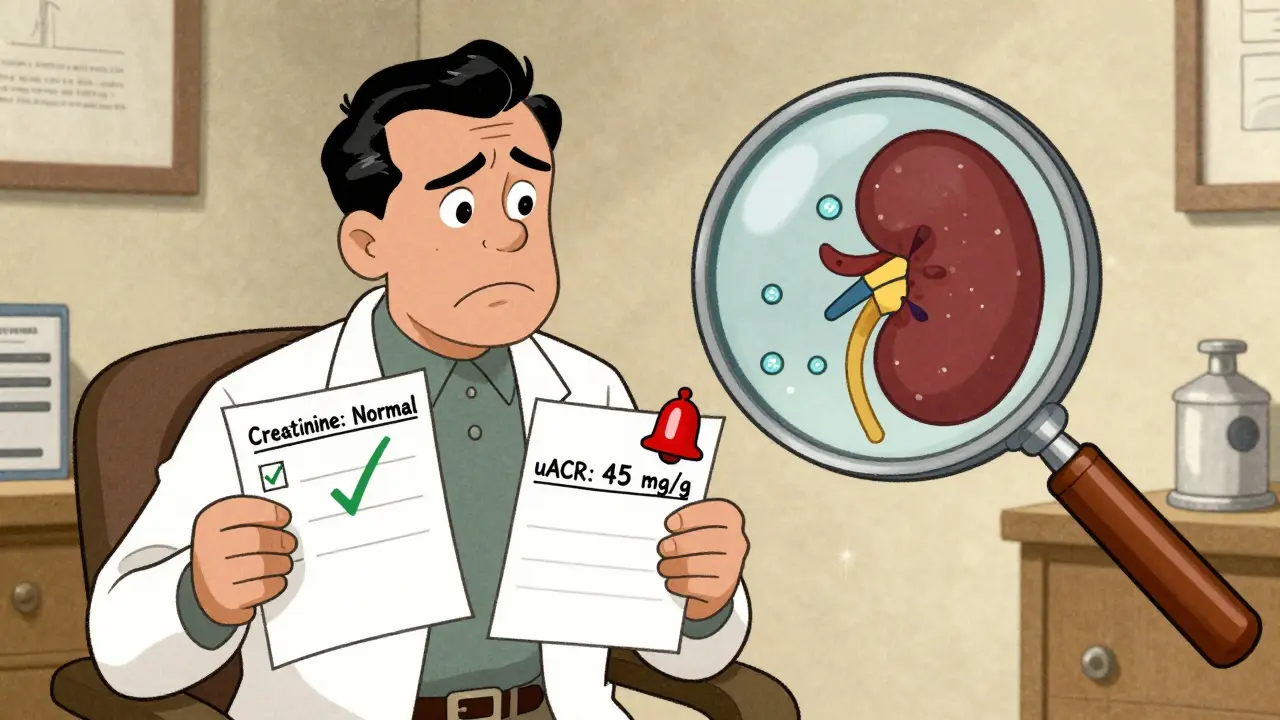
Chronic Kidney Disease: How Early Detection Stops Progression Before It’s Too Late
- By : Tamsin Riverton
- Date : Jan 23 2026
Chronic kidney disease often has no symptoms until it's advanced. Early detection with eGFR and uACR tests can stop progression, prevent dialysis, and save lives. Know your numbers and act before it's too late.
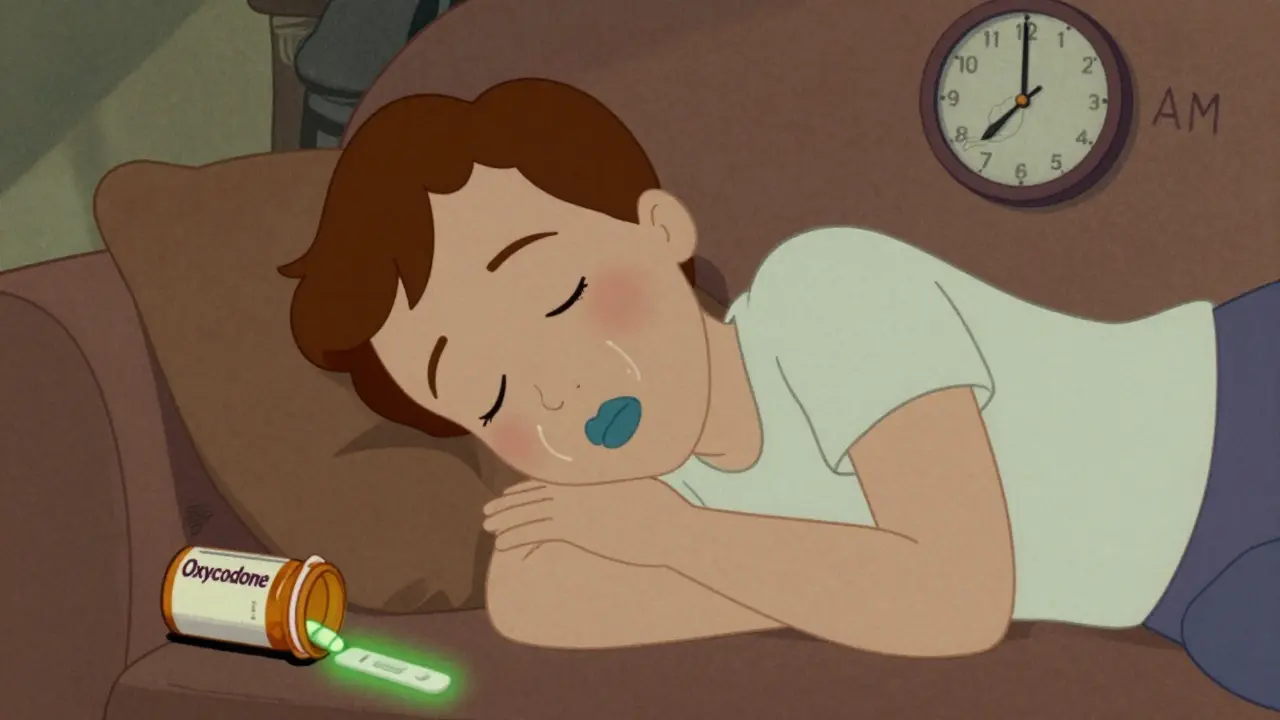
Signs and Symptoms of Medication Overdose You Should Recognize
- By : Tamsin Riverton
- Date : Jan 22 2026
Learn the key signs of medication overdose-from opioids to stimulants-and what to do immediately if someone is overdosing. Recognizing these symptoms can save a life.
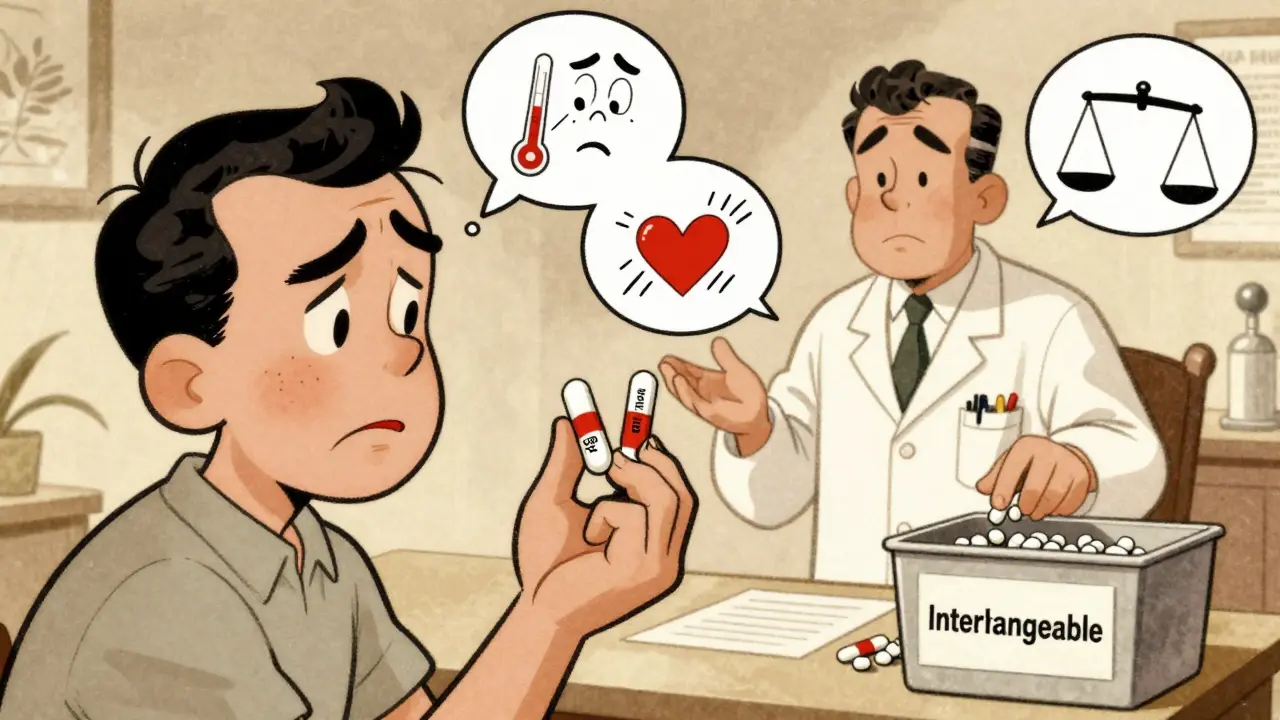
Levothyroxine Safety and Monitoring: A Practical Guide for Patients and Providers
- By : Tamsin Riverton
- Date : Jan 20 2026
Levothyroxine is safe and effective for hypothyroidism - but only with proper dosing and regular TSH testing. Learn how to avoid common mistakes, recognize dangerous side effects, and ensure your medication works as it should.
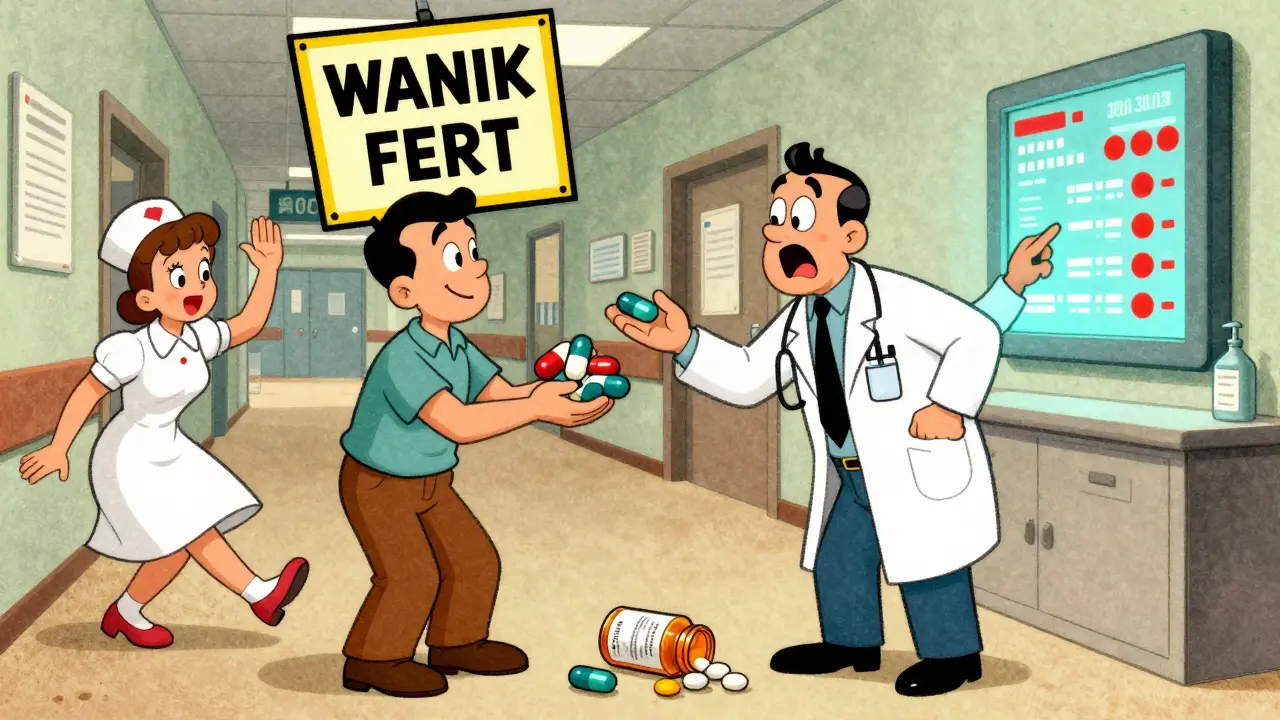
Adverse Drug Events: What They Are, How They Happen, and How to Stop Them
- By : Tamsin Riverton
- Date : Jan 19 2026
Adverse drug events cause over a million ER visits and 125,000 hospitalizations each year in the U.S. Learn what they are, which drugs are most dangerous, and proven ways to prevent them before harm occurs.
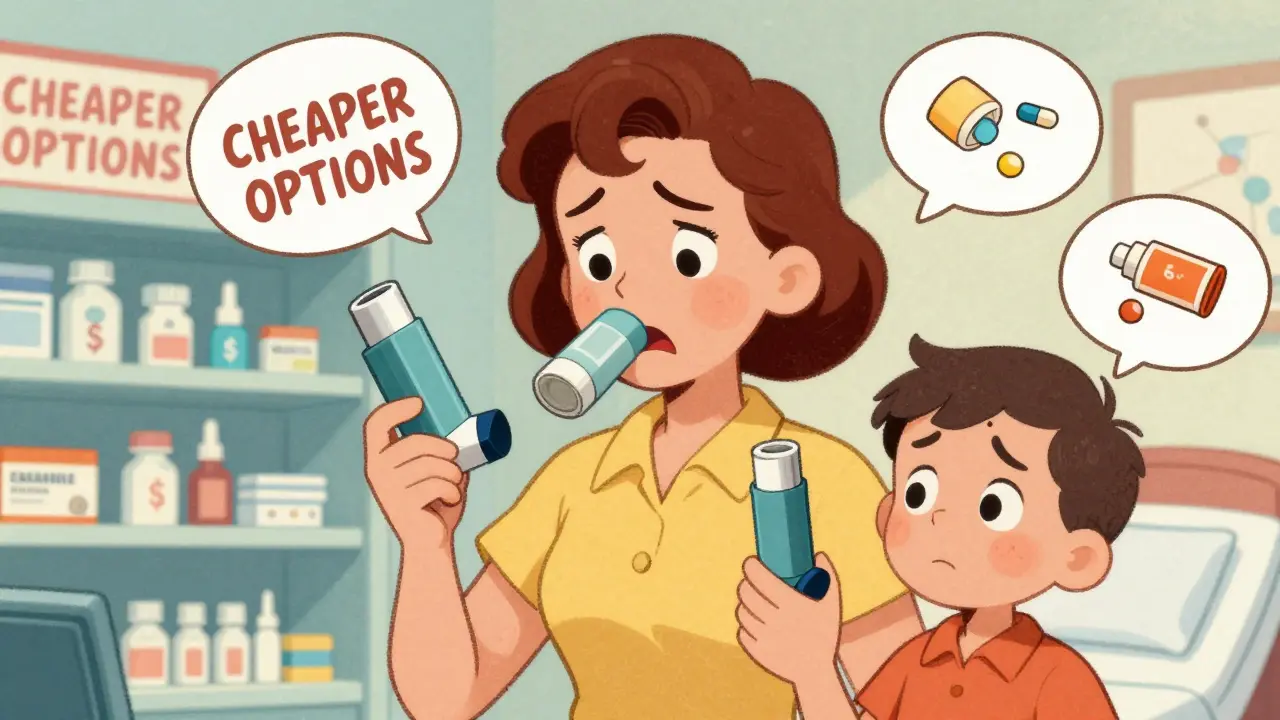
Child Medication Switches: What Parents Need to Know About Generics
- By : Tamsin Riverton
- Date : Jan 18 2026
Switching children to generic medications can save money, but it carries hidden risks. Learn why pediatric drug switches differ from adult ones, which medications are safest to change, and how to protect your child from harmful substitutions.
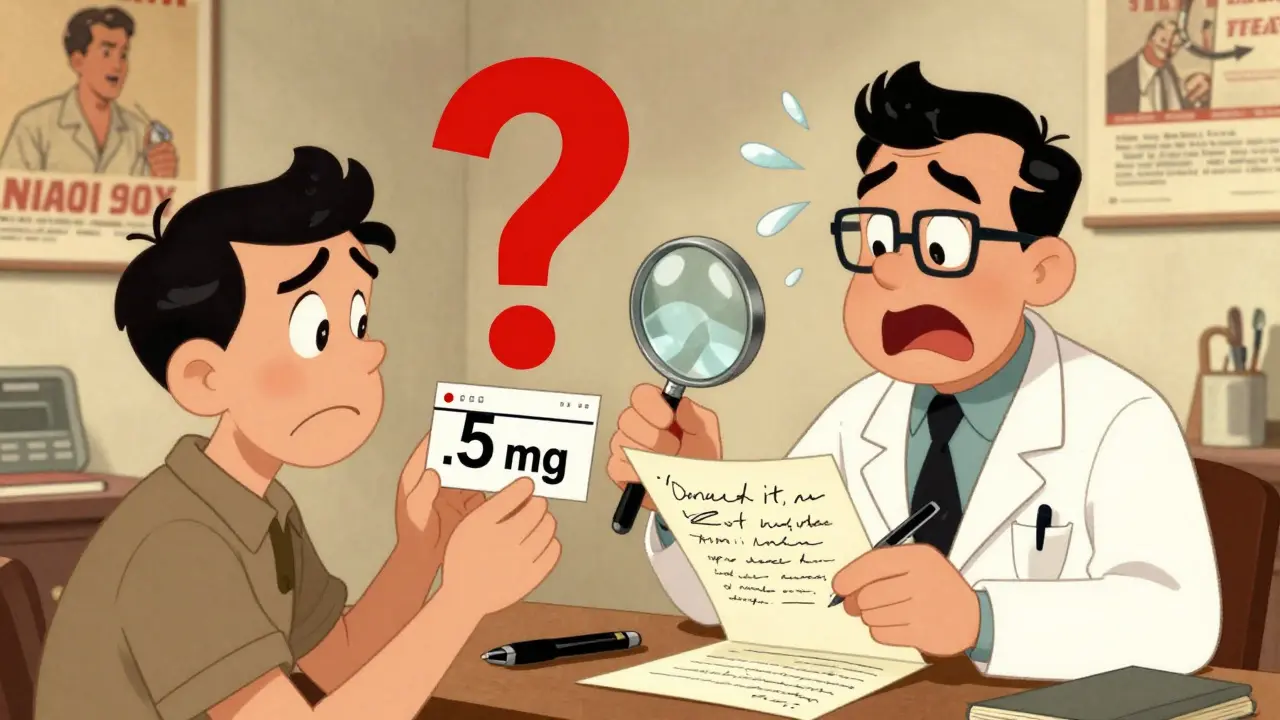
Prescription Writing Errors and How to Catch Them as a Patient
- By : Tamsin Riverton
- Date : Jan 17 2026
Prescription errors are common and dangerous, but patients can catch them. Learn the 7 key things to check on every prescription, red flags to watch for, and simple questions to ask to avoid harmful mistakes.
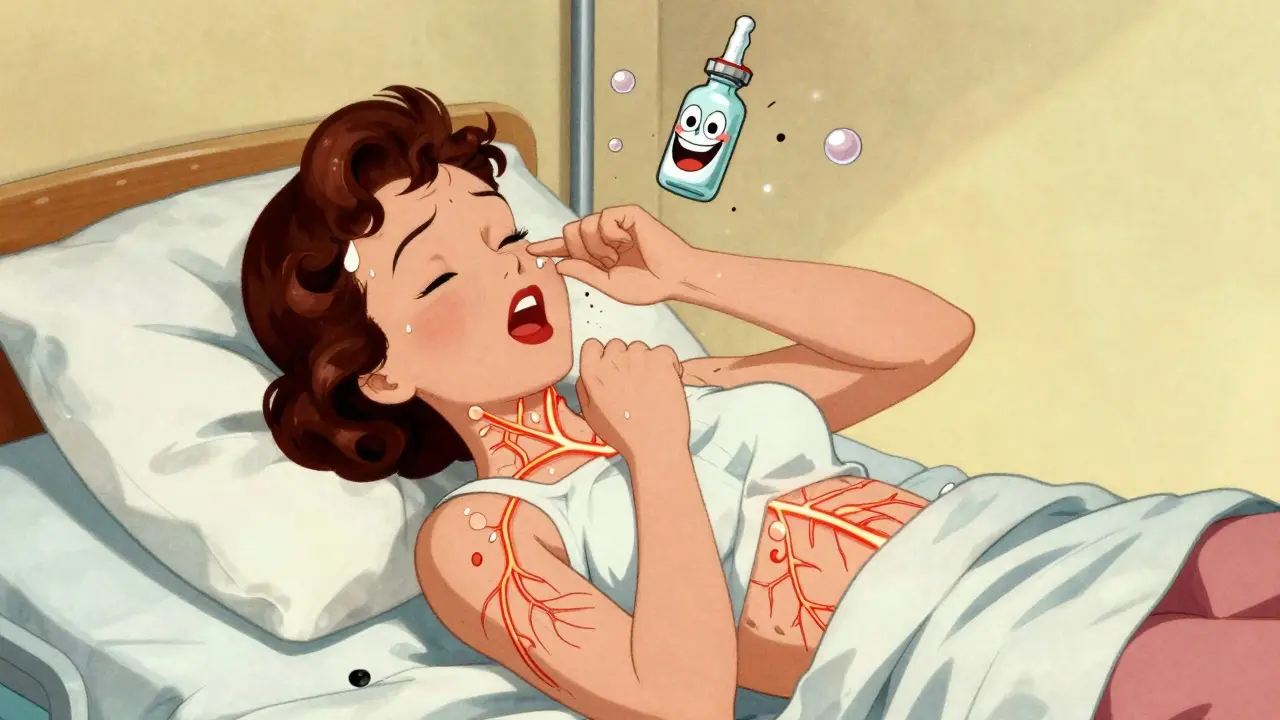
Opioid-Induced Itching: How Histamine and Nerve Pathways Cause It - and What Actually Works
- By : Tamsin Riverton
- Date : Jan 16 2026
Opioid-induced itching affects up to 100% of patients after spinal morphine. It's not caused by histamine alone - it's a direct nerve signal. Learn what actually works to stop it, and why antihistamines often fail.
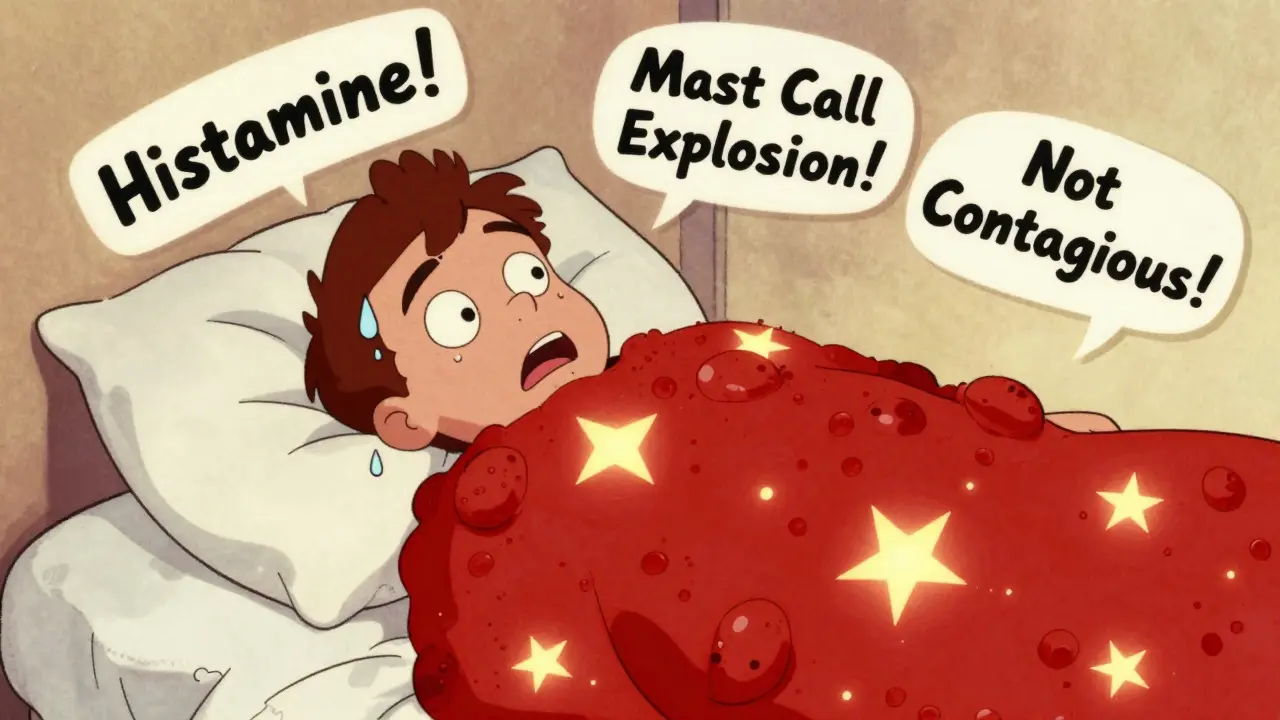
Urticaria: Hives, Common Triggers, and How Antihistamines Really Work
- By : Tamsin Riverton
- Date : Jan 14 2026
Urticaria, or hives, is a common skin reaction causing itchy welts. Learn what triggers them, how antihistamines work, and when to seek stronger treatments for chronic cases.
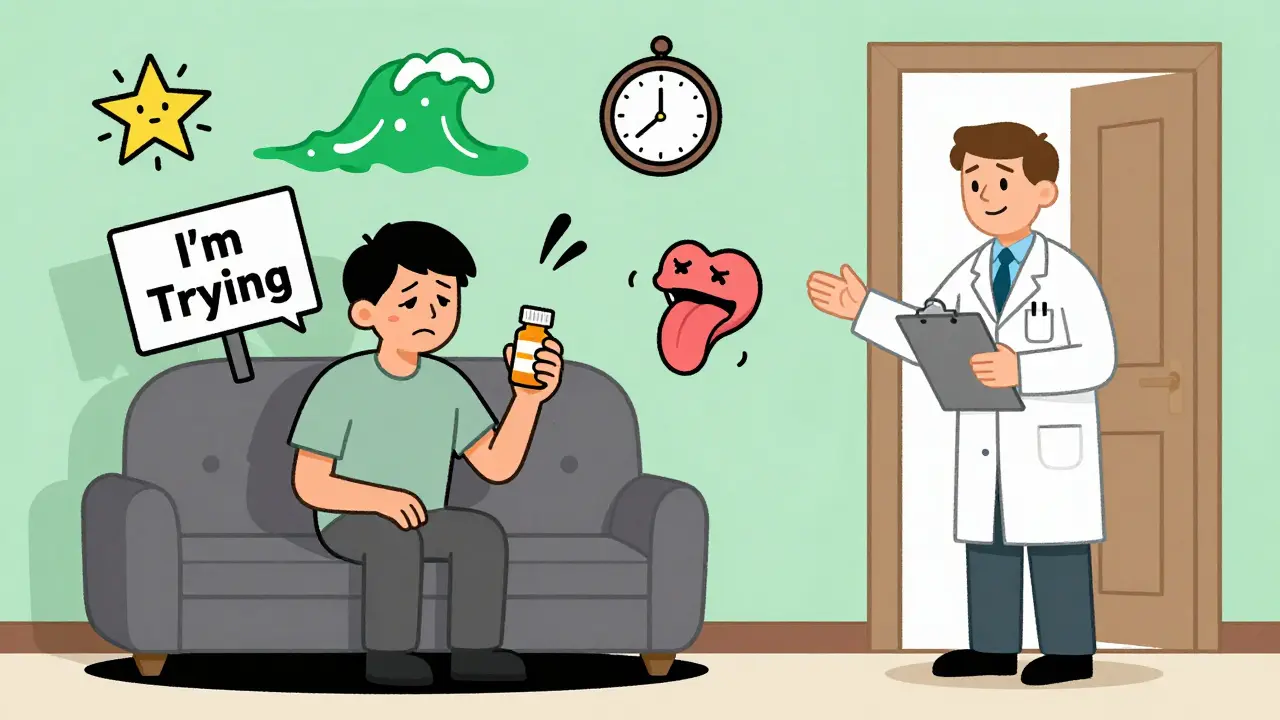
Side Effects and Medication Adherence: How to Stay on Track When Drugs Cause Problems
- By : Tamsin Riverton
- Date : Jan 13 2026
Side effects are the #1 reason people stop taking their meds-even when they know it’s important. Learn why adherence fails, what really works to fix it, and how to talk to your pharmacist about feeling worse on your pills.
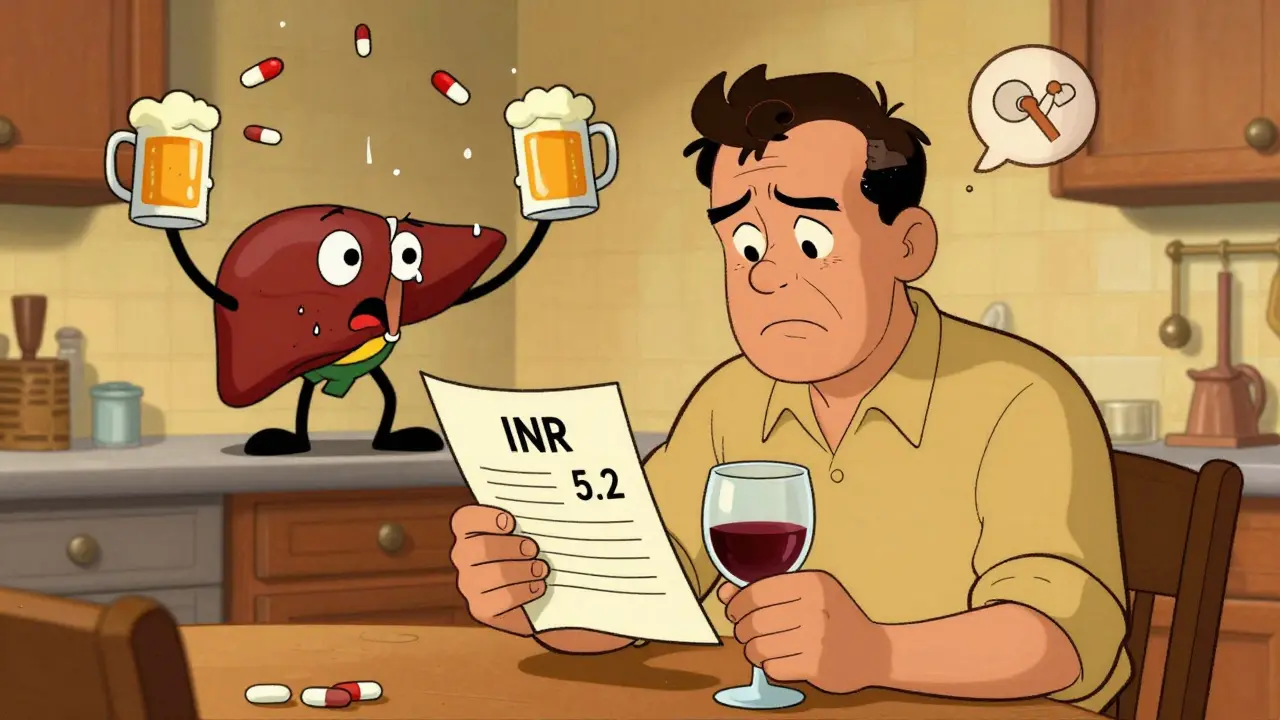
Alcohol and Blood Thinners: Understanding Bleeding Risk and INR Fluctuations
- By : Tamsin Riverton
- Date : Jan 12 2026
Alcohol can cause dangerous INR fluctuations in people taking warfarin, increasing bleeding risk. Learn how much is safe, what signs to watch for, and why genetics and drinking patterns matter.