Author: Tamsin Riverton - Page 2

Medication Safety at Home: Setting Up a No-Mistake System
- By : Tamsin Riverton
- Date : Feb 10 2026
Set up a no-mistake medication system at home with simple steps: keep an updated list, choose the right tools, involve caregivers, and avoid common pitfalls. Reduce errors, prevent hospital visits, and take control of your health.
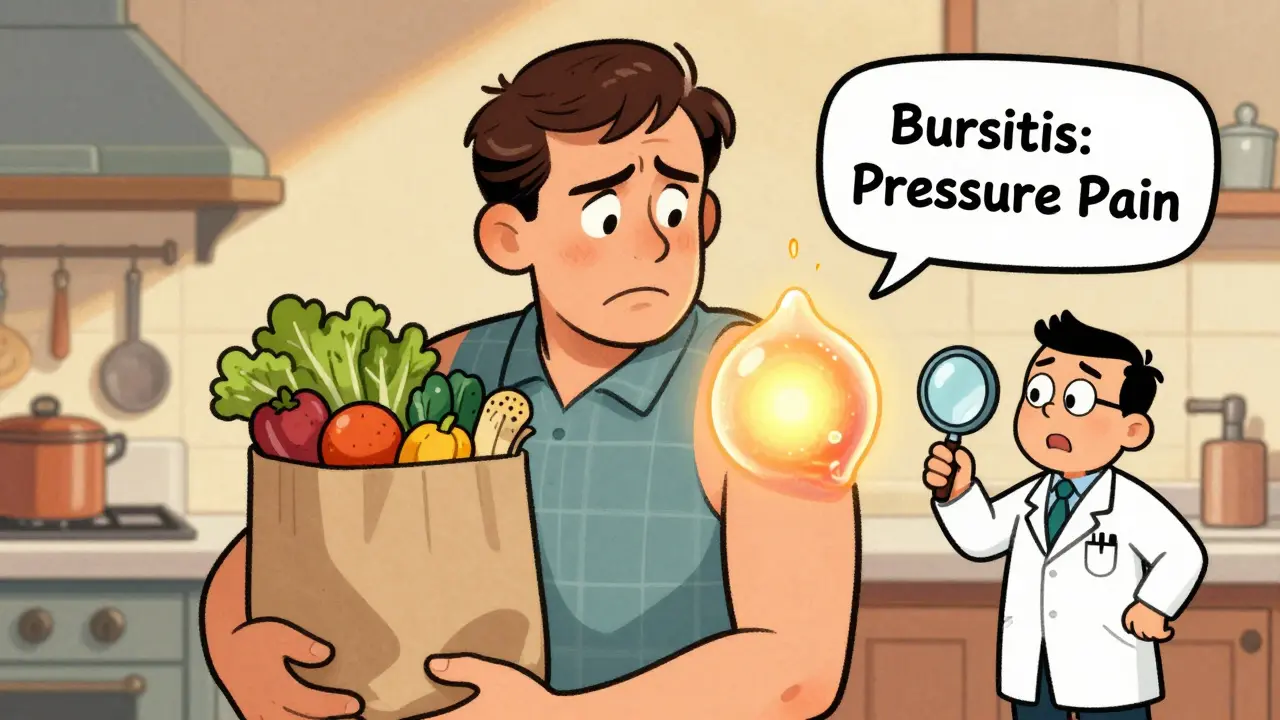
Bursitis vs Tendinitis: What’s Really Going on in Your Joints?
- By : Tamsin Riverton
- Date : Feb 8 2026
Bursitis and tendinitis are two common joint conditions that look similar but need very different treatments. Learn how to tell them apart, what actually works, and how to recover faster without unnecessary shots or surgery.

EMA vs FDA Drug Labeling: Key Differences That Impact Global Drug Access
- By : Tamsin Riverton
- Date : Feb 7 2026
EMA and FDA drug labeling differ in structure, language, risk communication, and approved uses-even when based on the same clinical data. These differences impact global access, prescribing, and costs for patients and manufacturers.

How Medicaid Generics Save Low-Income Patients Money on Prescriptions
- By : Tamsin Riverton
- Date : Feb 5 2026
Medicaid generics save low-income patients money. 90% of prescriptions are generics, but they cost only 18% of spending. Average copay: $6.16 vs $56.12 for brand-name. Rebate programs and new initiatives like GENEROUS help control costs. Learn how these savings work for those who need them most.
Pharmacokinetic Studies and Generic Drug Equivalence: What You Really Need to Know
- By : Tamsin Riverton
- Date : Feb 4 2026
Pharmacokinetic studies are commonly called the 'gold standard' for proving generic drugs work the same as brand-name versions. But the reality is more complex. This article explains how these studies actually work, their limitations for certain drugs, and why regulators use multiple testing methods to ensure safety and effectiveness.
Infant Medication Safety: Drops, Concentrations, and Dosage
- By : Tamsin Riverton
- Date : Feb 3 2026
Infant medication safety depends on precise dosing, correct concentrations, and using the right measuring tools. Learn how to avoid deadly errors with acetaminophen, ibuprofen, and other liquid medicines for babies under 1 year.
Planning for Patent Expiry: What Patients and Healthcare Systems Need to Do Now
- By : Tamsin Riverton
- Date : Feb 2 2026
Patent expiry means cheaper drugs-but only if you plan ahead. Learn what patients and healthcare systems must do now to avoid disruptions and save money when brand-name medications lose exclusivity.
Generic Prescribing Guidelines: Professional Recommendations for Clinicians
- By : Tamsin Riverton
- Date : Feb 1 2026
Generic prescribing saves the NHS £1.3 billion annually and reduces medication errors by half. Learn when to use generics, which drugs require brand names, and how to explain the switch to patients.
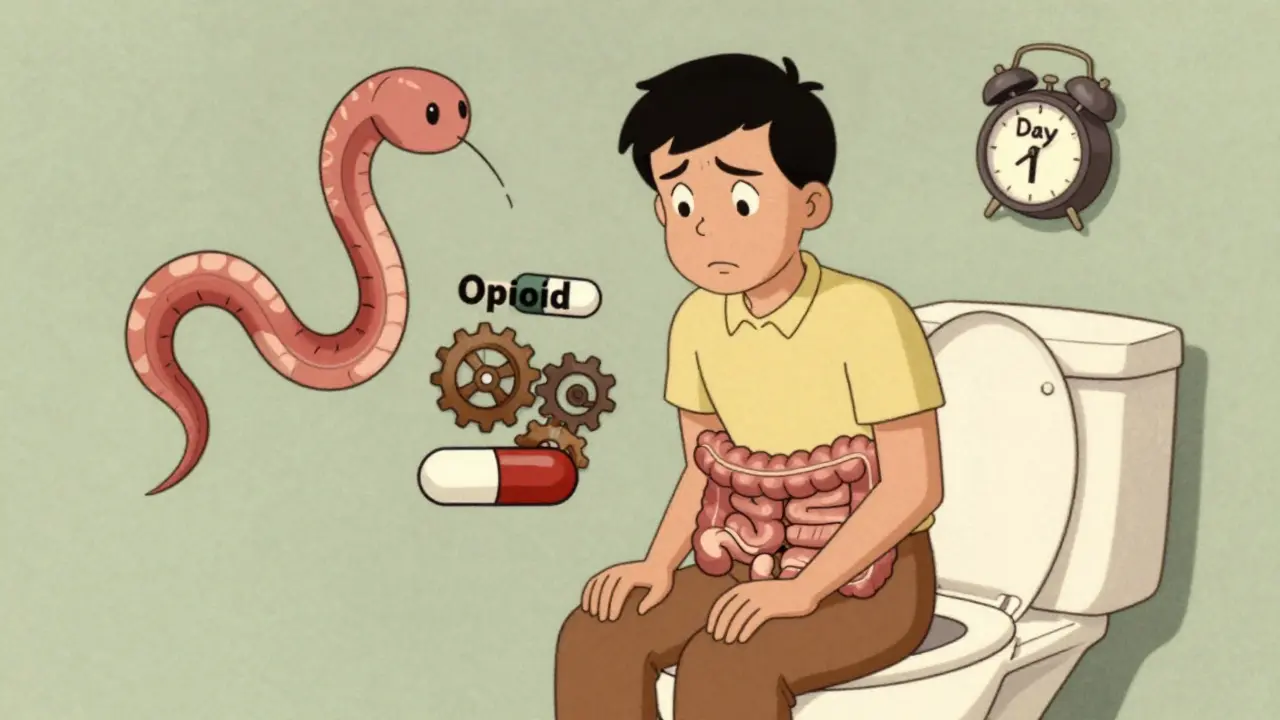
Opioid-Induced Constipation: How to Prevent and Treat It Effectively
- By : Tamsin Riverton
- Date : Jan 29 2026
Opioid-induced constipation affects 40-60% of people on long-term pain medication. Learn how to prevent it from day one, when to use laxatives vs. prescription PAMORAs, and how to avoid dangerous side effects.
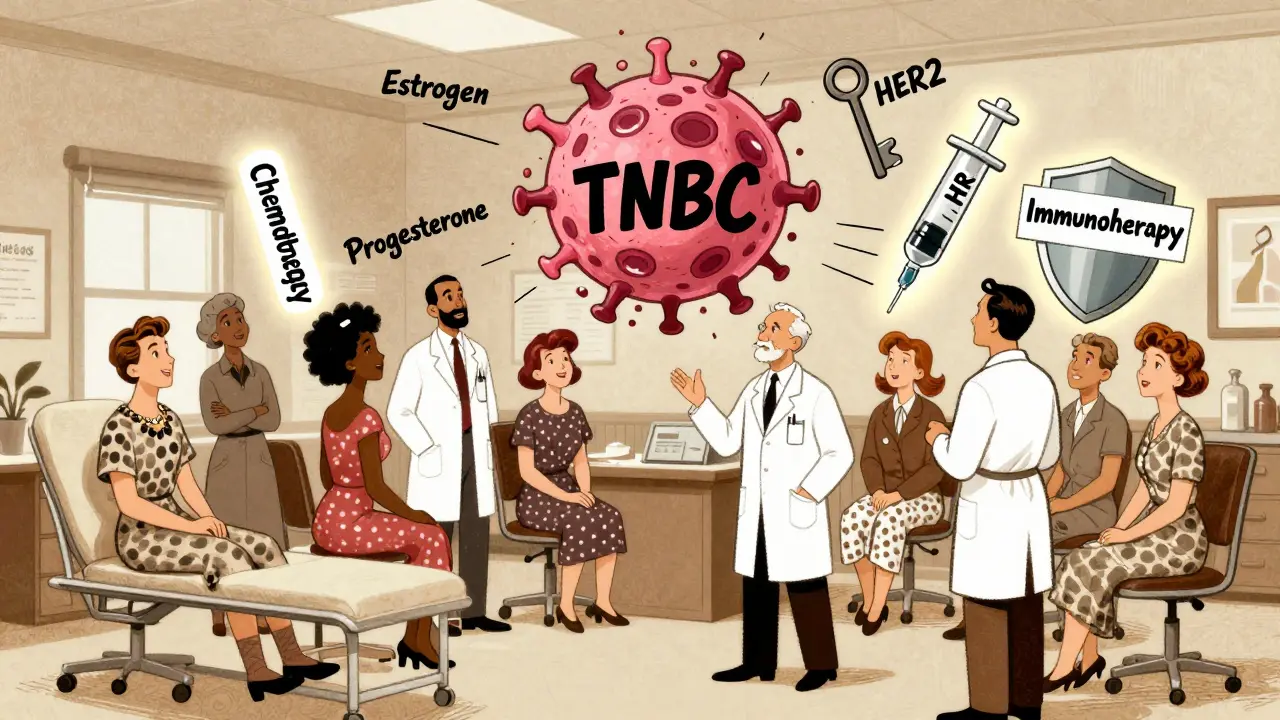
Triple-Negative Breast Cancer: Modern Treatment Strategies and Ongoing Clinical Trials
- By : Tamsin Riverton
- Date : Jan 28 2026
Triple-negative breast cancer (TNBC) is aggressive and hard to treat, but new therapies like immunotherapy, PARP inhibitors, and personalized vaccines are changing outcomes. Learn the latest treatment strategies and clinical trials shaping care in 2026.
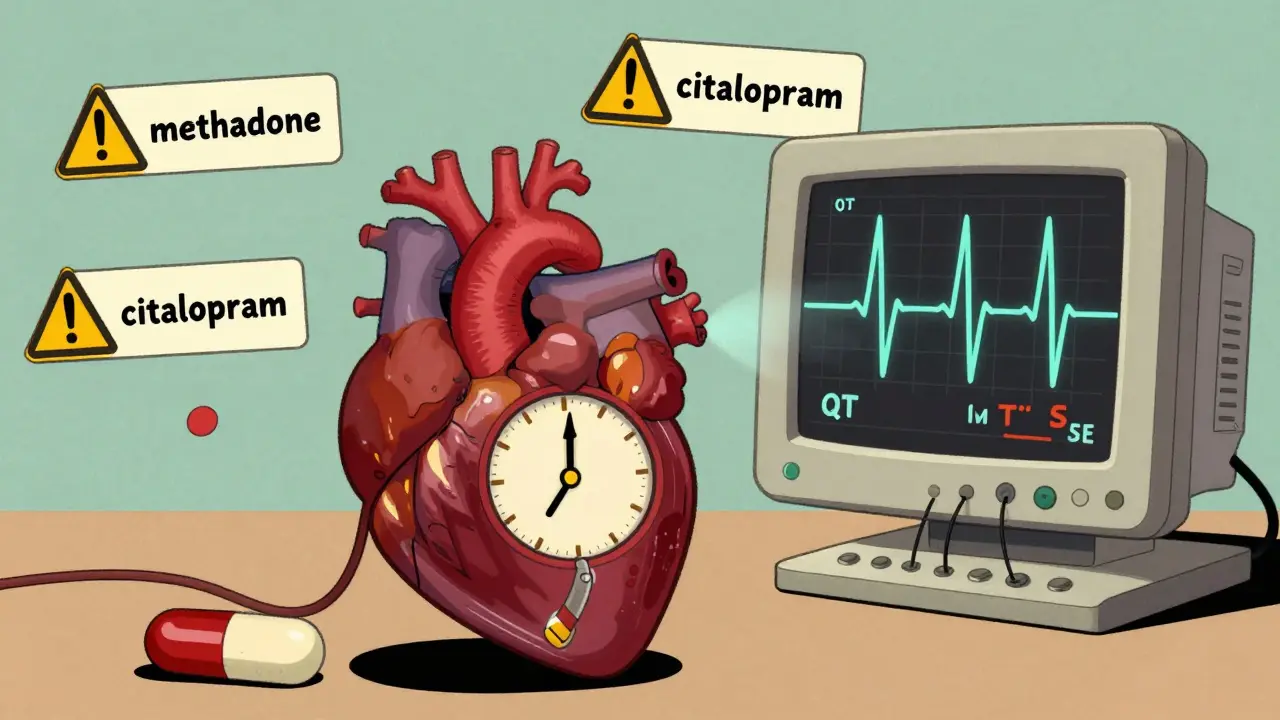
Methadone and QT-Prolonging Drugs: What You Need to Know About the Arrhythmia Risk
- By : Tamsin Riverton
- Date : Jan 27 2026
Methadone can dangerously prolong the QT interval, especially when combined with other medications. Learn which drugs increase the risk of life-threatening arrhythmias and how to stay safe on treatment.
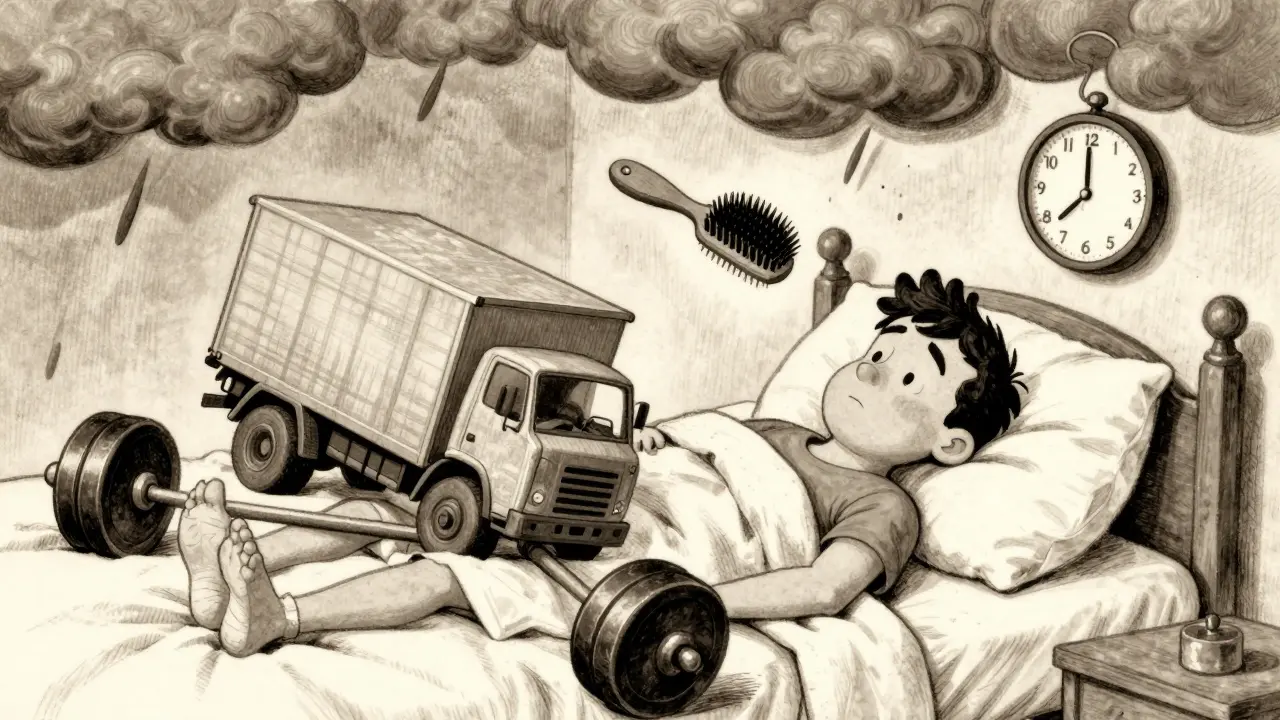
Fibromyalgia: Widespread Pain and How Antidepressants Really Work
- By : Tamsin Riverton
- Date : Jan 26 2026
Fibromyalgia causes widespread pain and fatigue. Antidepressants like duloxetine and amitriptyline help by calming overactive pain signals - not by treating depression. But exercise, sleep, and CBT work better long-term.